Thistles and Cones

20120608-174920.jpg

There may be 4 seasons on the calendar, but here in the Ozarks our days and weeks are filled with micro seasons, one following another. It’s a part of the rhythms of this place – redbuds, rains, dogwoods, whippoorwills, tiger lilies, fawns – that’s just three weeks in April and May.

Right now one of my favorite seasons is drawing to a close – thistles and coneflowers – both grow wild along roadsides. Both can be a rich pink, both reach skyward, and both wither leaving just a round silhouette that lingers for a few weeks.

20120608-235704.jpg

The coneflower is actually echinacea. This one is a part of a group that grows near the bottom of my hill. This group mostly have very thin petals.

20120609-000019.jpg

There is a thistle patch right across the parking lot from my office. The city cut a drainage ditch and the turning of the earth has created an amazing garden of volunteers.

20120609-000244.jpg

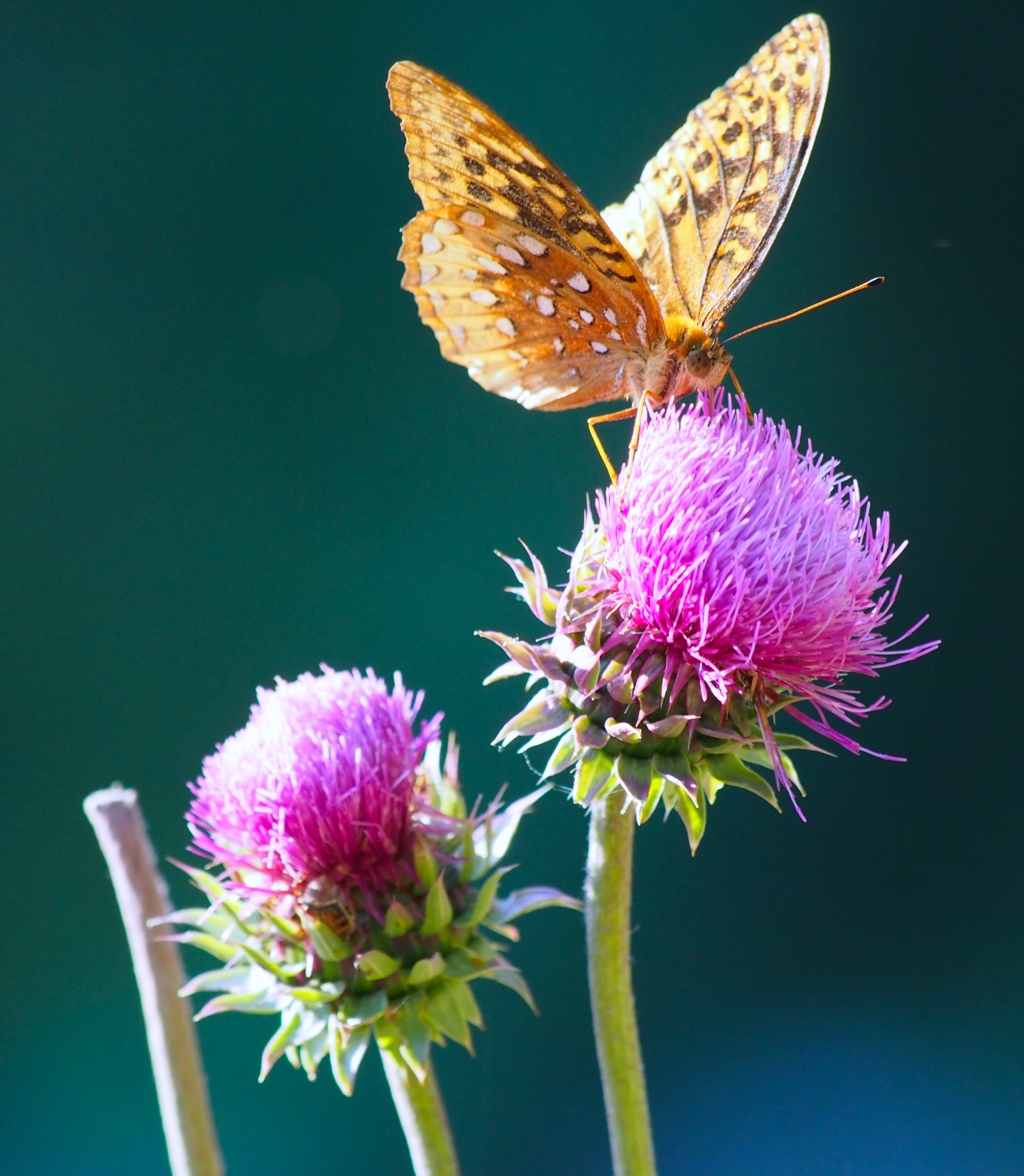
The patch is shot here seems to grow in groups of two or three. The soil on the roadside is rocky and steep, still they thrive.
20120609-000427.jpg

Last year we had some very heavy spring rains and a hillside below a spring gave way – the trees on the hill were destroyed. The city planted some wild grasses to stabilize the slope, it looks like the thistles have volunteered to assist in the process.
20120609-000716.jpg

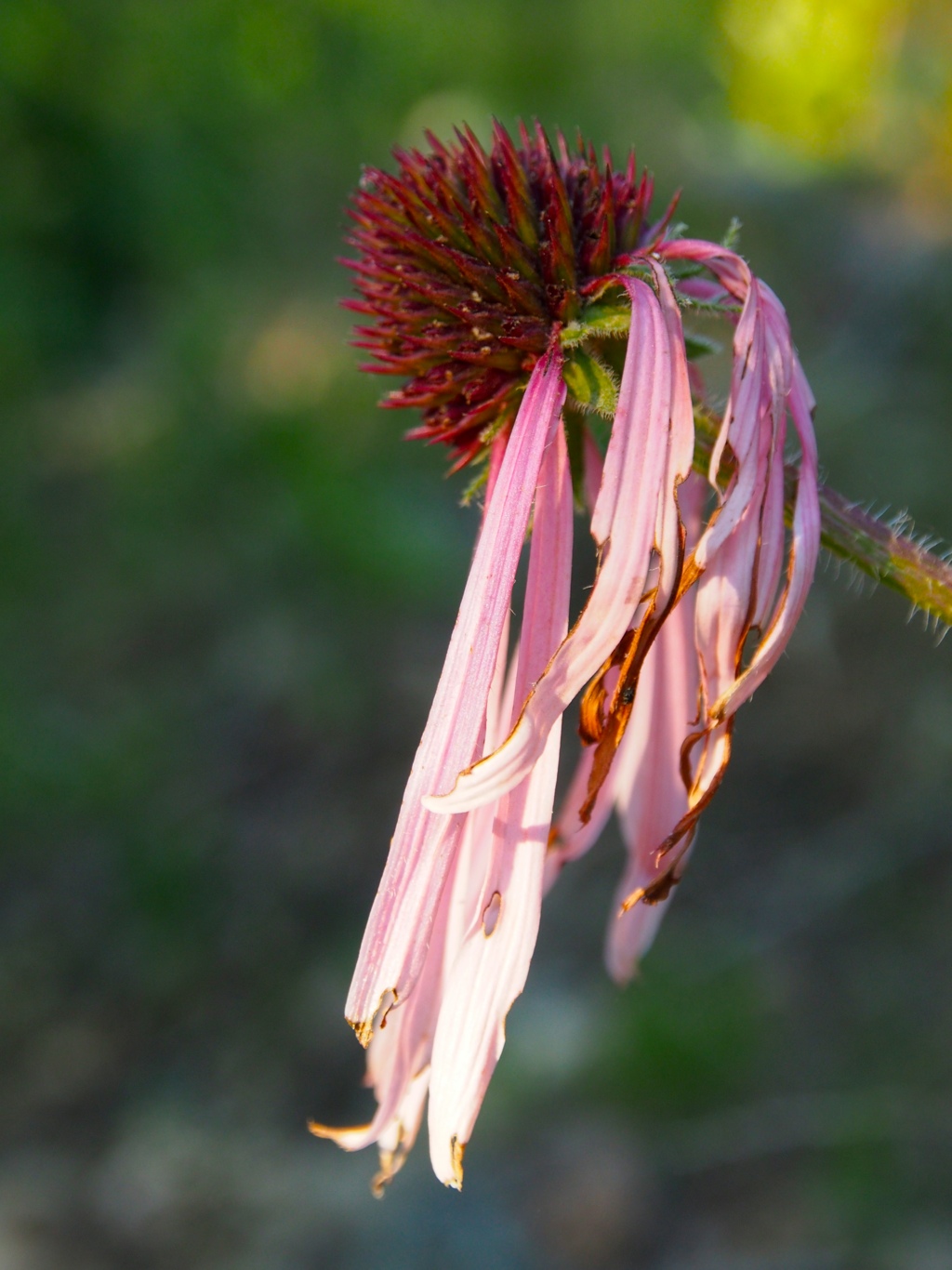
On the steepest hillsides the cone’s petals dangle and sway with the wind.
20120609-000952.jpg

20120609-001038.jpg

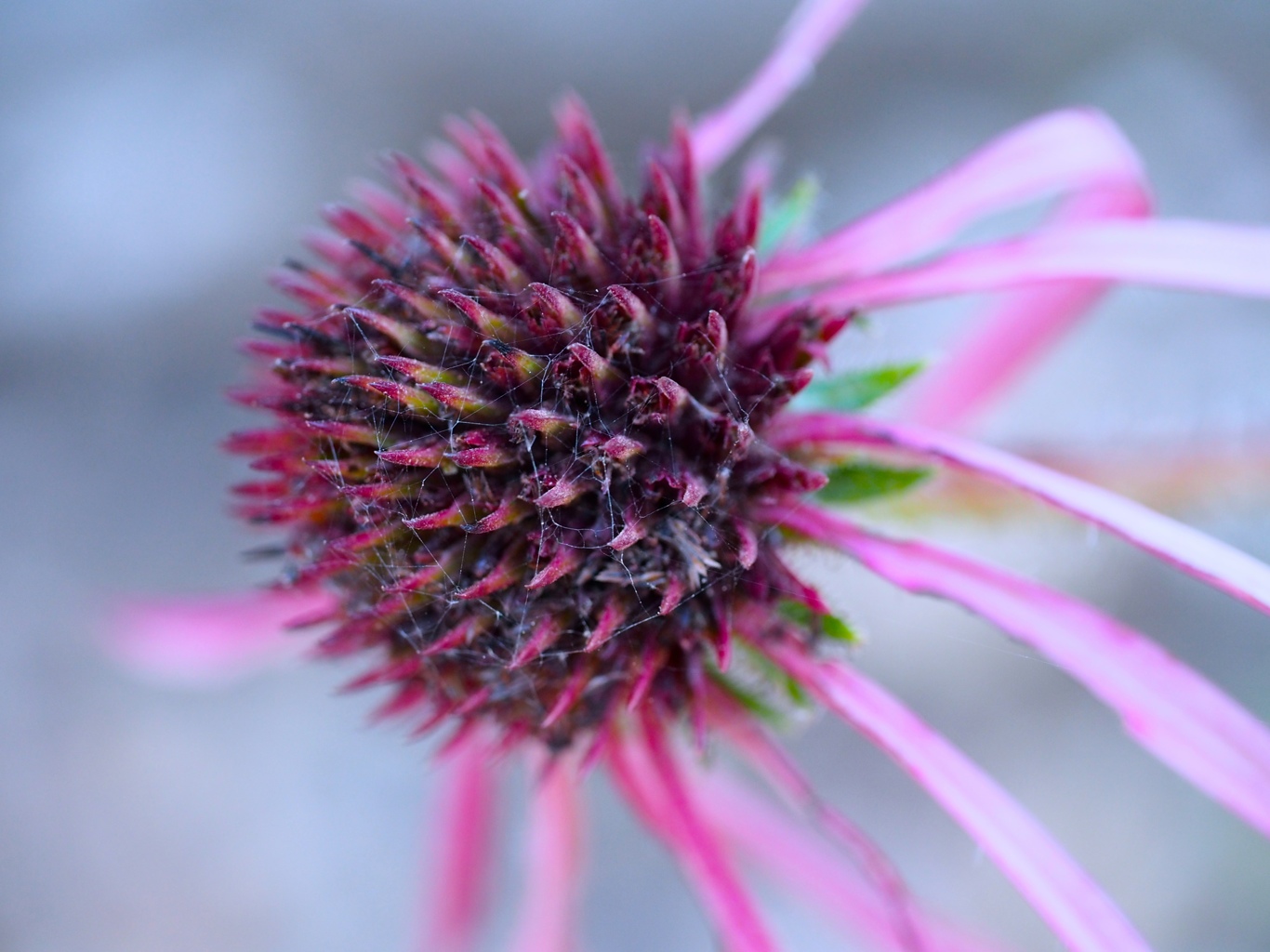
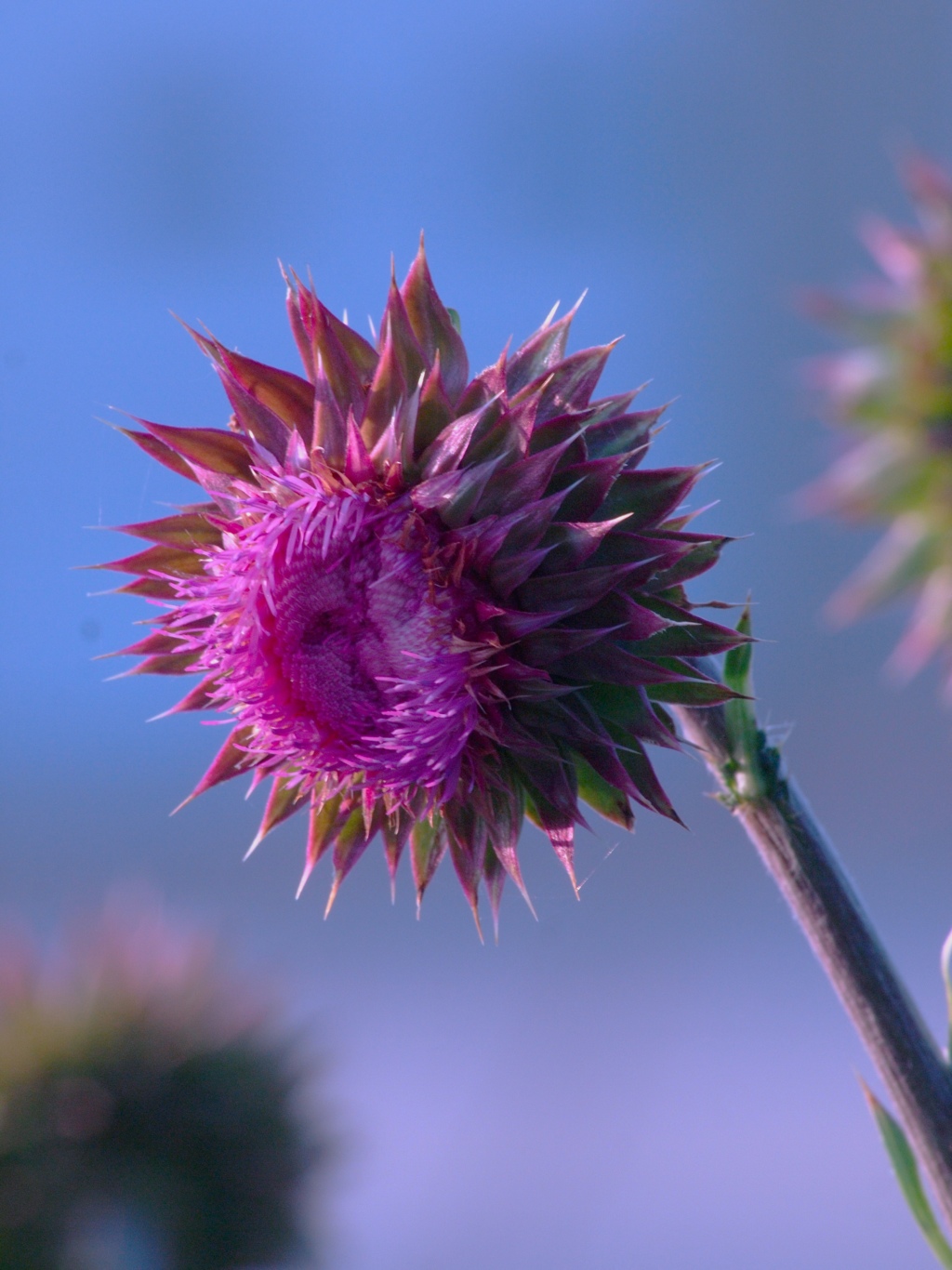
Both flowers have a distinctive radial geometry to their centers.

20120609-001238.jpg

This one makes me think of an umbrella frame.

20120609-001402.jpg

This one reminds me of a lampshade.

20120609-001715.jpg

20120609-001750.jpg

The center of both flowers dominate their shapes.

20120609-001923.jpg

My 99 year-old neighbor, Mary Jane, introduced me to thistles a few years back. She asked me to go on a hike with her down into a hollow one Saturday. I thought we were going to see a waterfall. We got to the bottom and she sent me up the other side to a vantage point. I scouted a path for her, thinking we must be headed to an amazing place. She took the lead and we ended up in a completely desolate path on the side of a mountain. It was a spot that the local electric coop had treated with herbicide – cheaper to use poison than to employ some guys with chainsaws :/ anyway, we had climbed to this place with a purpose. She took off her pack and handed me a stack of envelopes. Each was full of wild thistle seeds. We scattered them and hiked home. When we got back to Mary Jane’s place she took me out to a spot in the woods behind her house – we could see the spot where we had just been clearly in the distance. That hike was not about a waterfall, it was about resurrecting the ground that progress had destroyed. Mary Jane could no longer bare to look at its deadness so we planted thistles. Years later they thrive.

20120609-002738.jpg

The thistles are fading, that can only mean that the season of air conditioning cannot be far behind.

Mary Jane’s Upstairs Neighbors

Image

This is my neighbor, Mary Jane. She is almost 99 years old. She lives in a house with no running water and only recently quit walking the mile to the grocery store. She is a year older than my Grandma would have been and I live in the home her father built in 1919 about a mile away from her place.Image

Mary Jane is an interesting character. She loves to garden and hike (she can still do 3-5 miles with me). There is a side of her that is almost childlike. She has some cats and loves them, but she loves almost any animal that comes around.

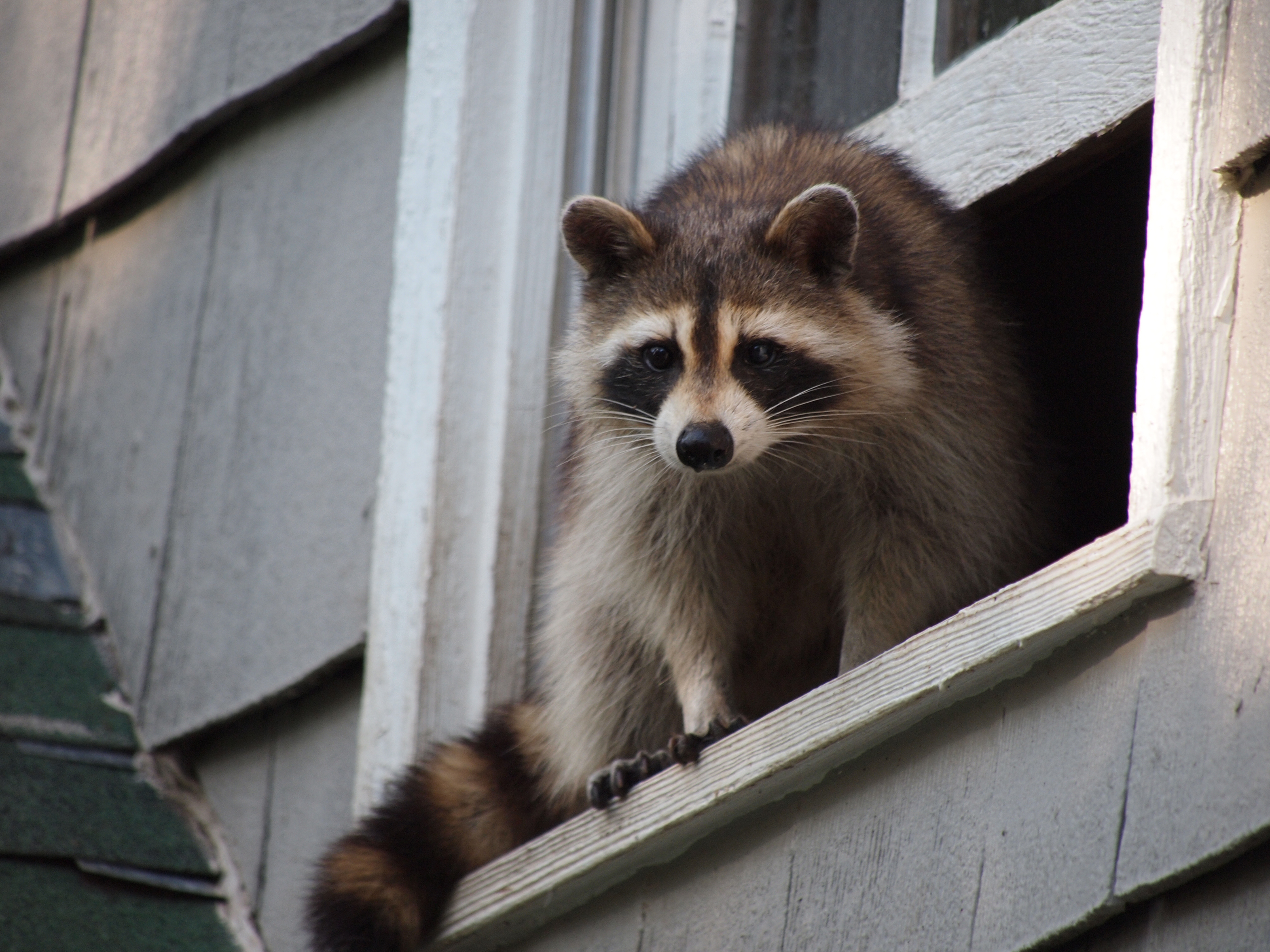
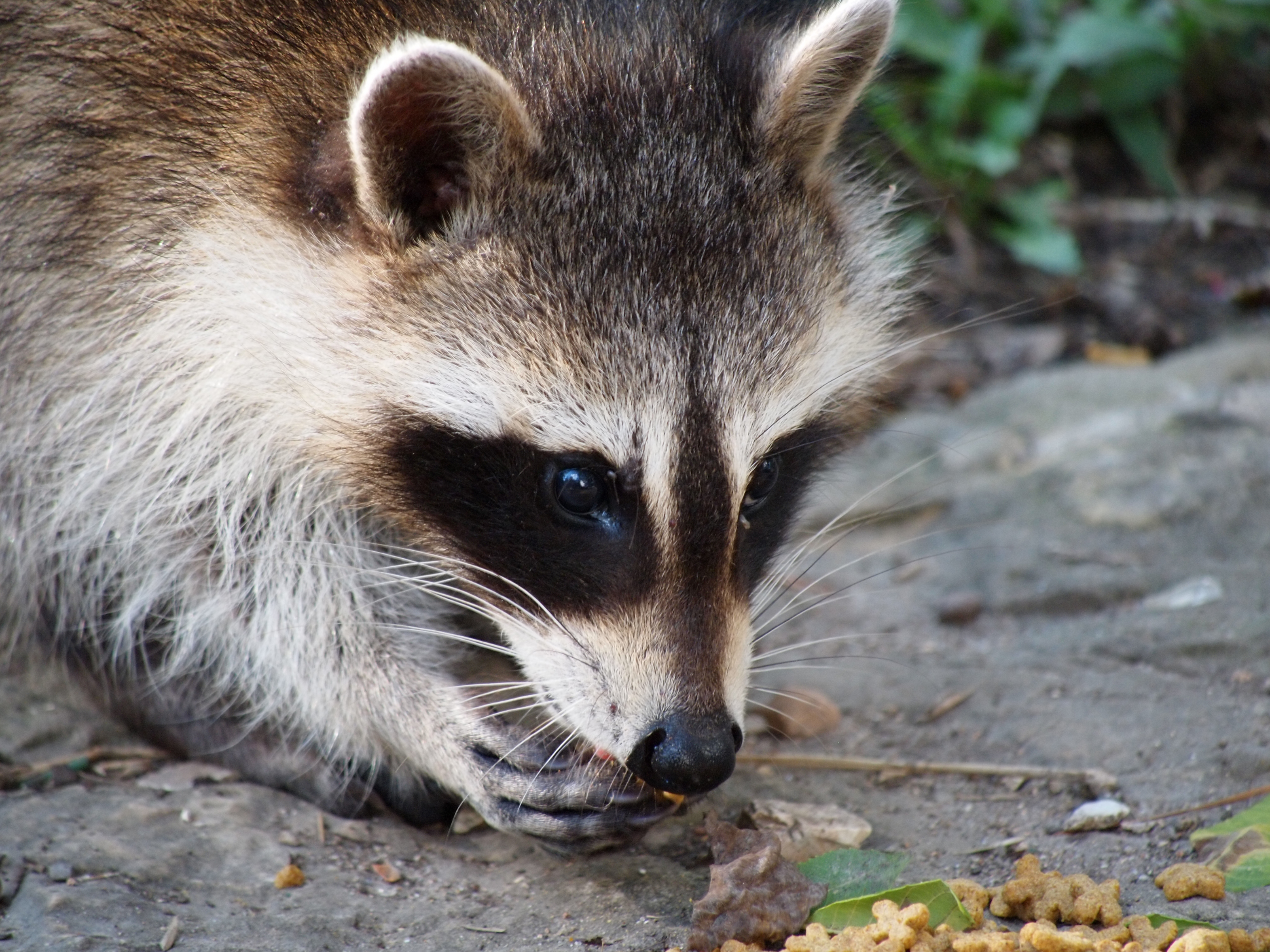
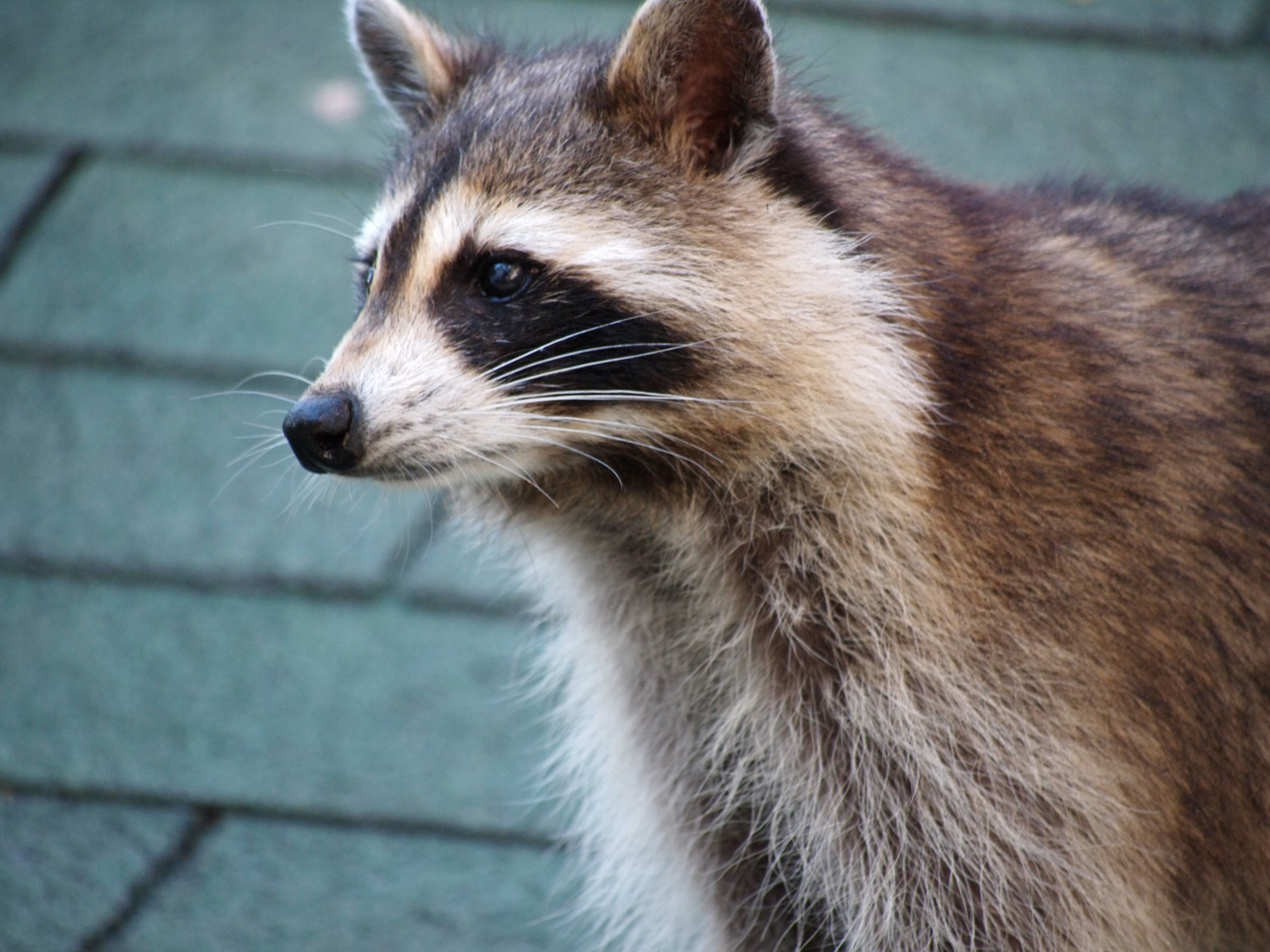
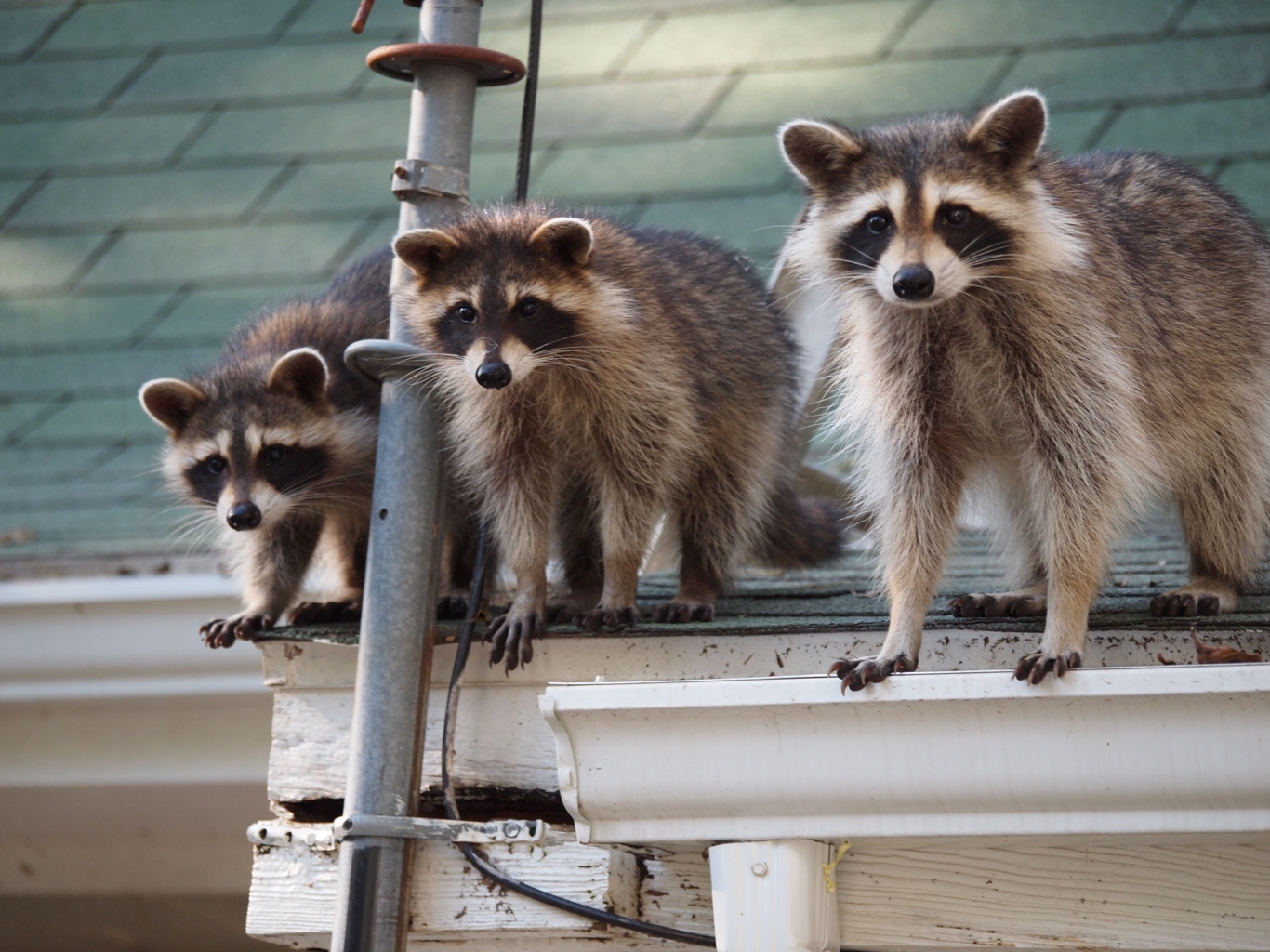
She was having some electrical issues at the house so my brother checked out the wiring for me on a visit. What we found in the attic was amazing and a little more than I was ready for. Raccoons had been nesting up there, probably for years – what a mess. We have fixed the electric – but Mary Jane loves her upstairs neighbors. She has relegated them to just a dormer now, but I’m pretty sure she continues to make the peanut butter sandwiches.

Image

Going up?

Image

Window shopper waiting for dinner.

Image

Boldly snacking.

Image

The lookout

Image

The courier

20120527-202005.jpg

The Trio

20120527-202534.jpg

The Sandwich King

20120527-202831.jpg

The brave one

20120527-203154.jpg

Bored with it all.

It may be unconventional – but I want to be like Mary Jane when I grow up – loving life, active, strong, and just a little childlike.

Lorri

Lunas in the Porch Light

Image

I moved to the Ozarks about a decade ago. I no longer live in the city and have a neighbor 10 feet away. I bought an old farmhouse on 7 acres about 5 miles from town. Close enough to be able to get the things you need to get by, far enough away to see stars at night. My first year was all about learning the rhythms of nature through the seasons. Peepers and whippoorwills start talking in May, tree frogs in June, cicadas in July and August – it all goes quiet again in October.

My first spring here I noticed that if a light was on in a room at night that flying insects would congregate on the windows – sometimes lots of them. If ladybugs get into the house they will hit their shells against the table lamp or TV looking for the light. One night I heard a very loud flutter against the living room window – it sounded like a bird crashed! I heard it again and saw something the color of a tennis ball swirl in the light and heard the window shake. I went outside and thought it might be a great green parakeet or something – but the flight pattern was so circular and random.

The next morning I went outside and saw the culprit – it was a Luna Moth. Now at the time I had no idea what that was – it’s color was amazing, but it was huge, larger than the palm of my hand! It was so beautiful that I watched for it to arrive the next night and it did. It only visited me for a few days and it was gone – until the next spring.

What follows is my photo study of this years visitors. Typically a moth lasts for 10 days and dies. A new generation arrives about 10 days later and after it dies they are gone for the year.

Image

This shot is taken from inside my screen door – their bodies look a lot like the pupae stage of the moth.

Image

Image

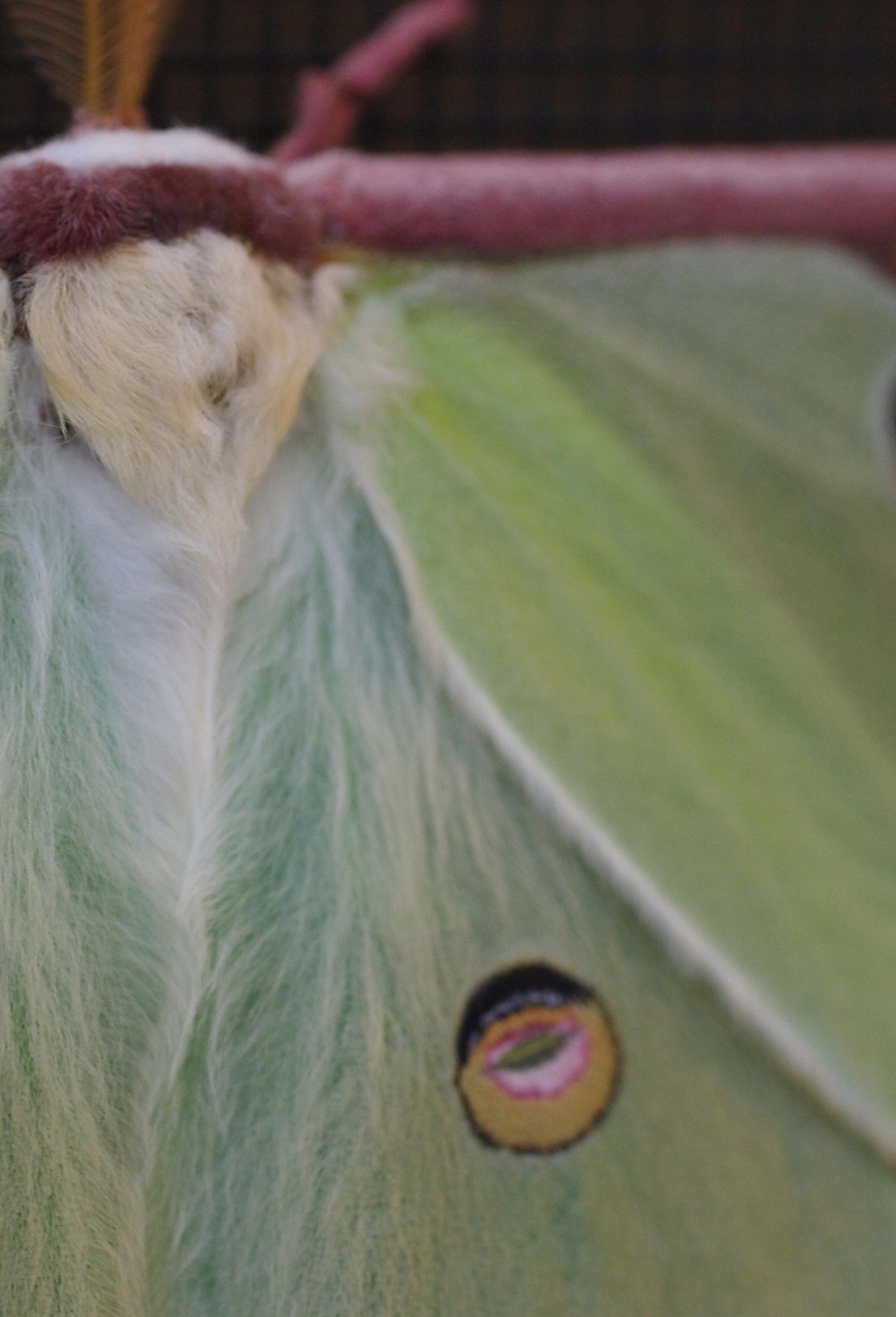
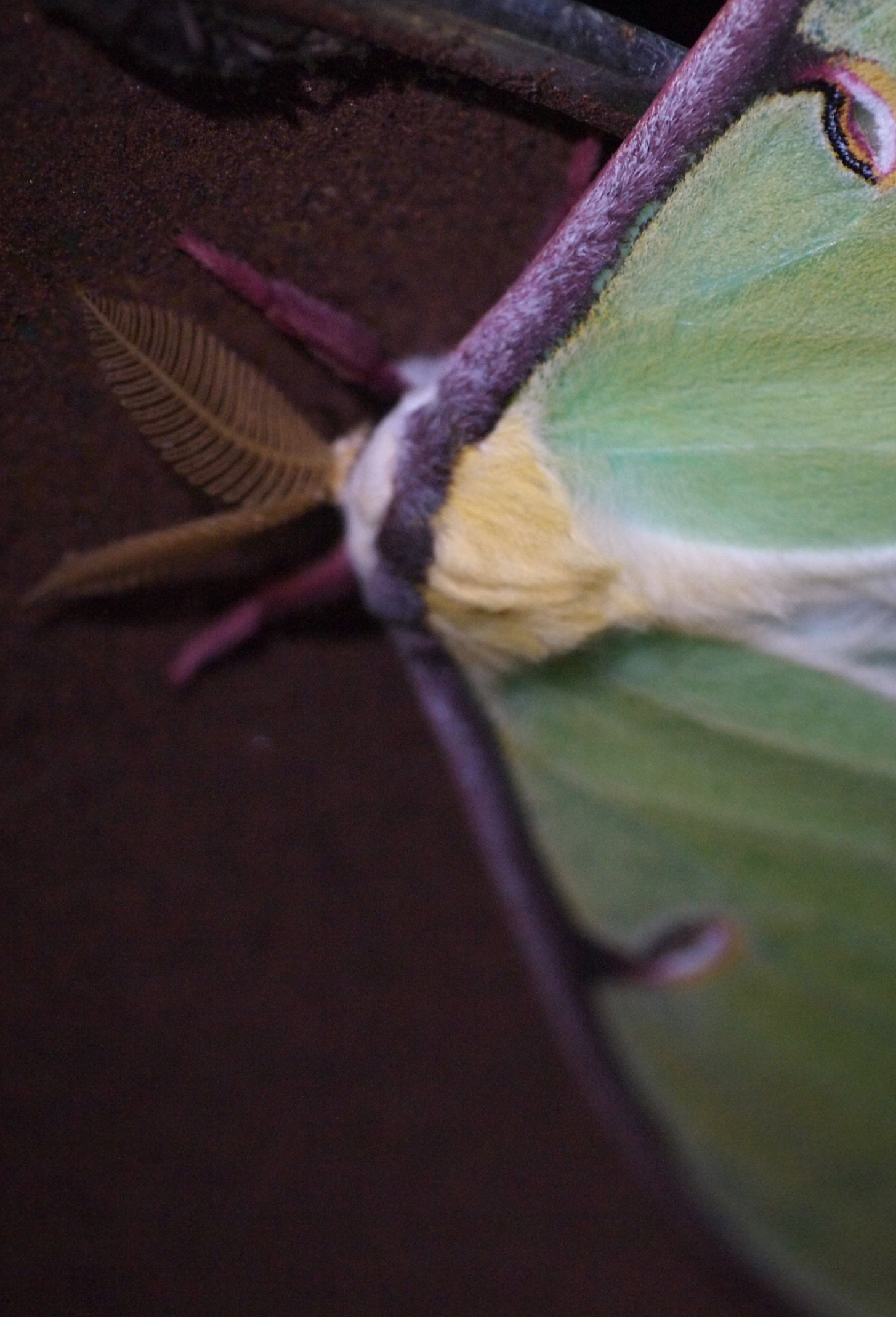
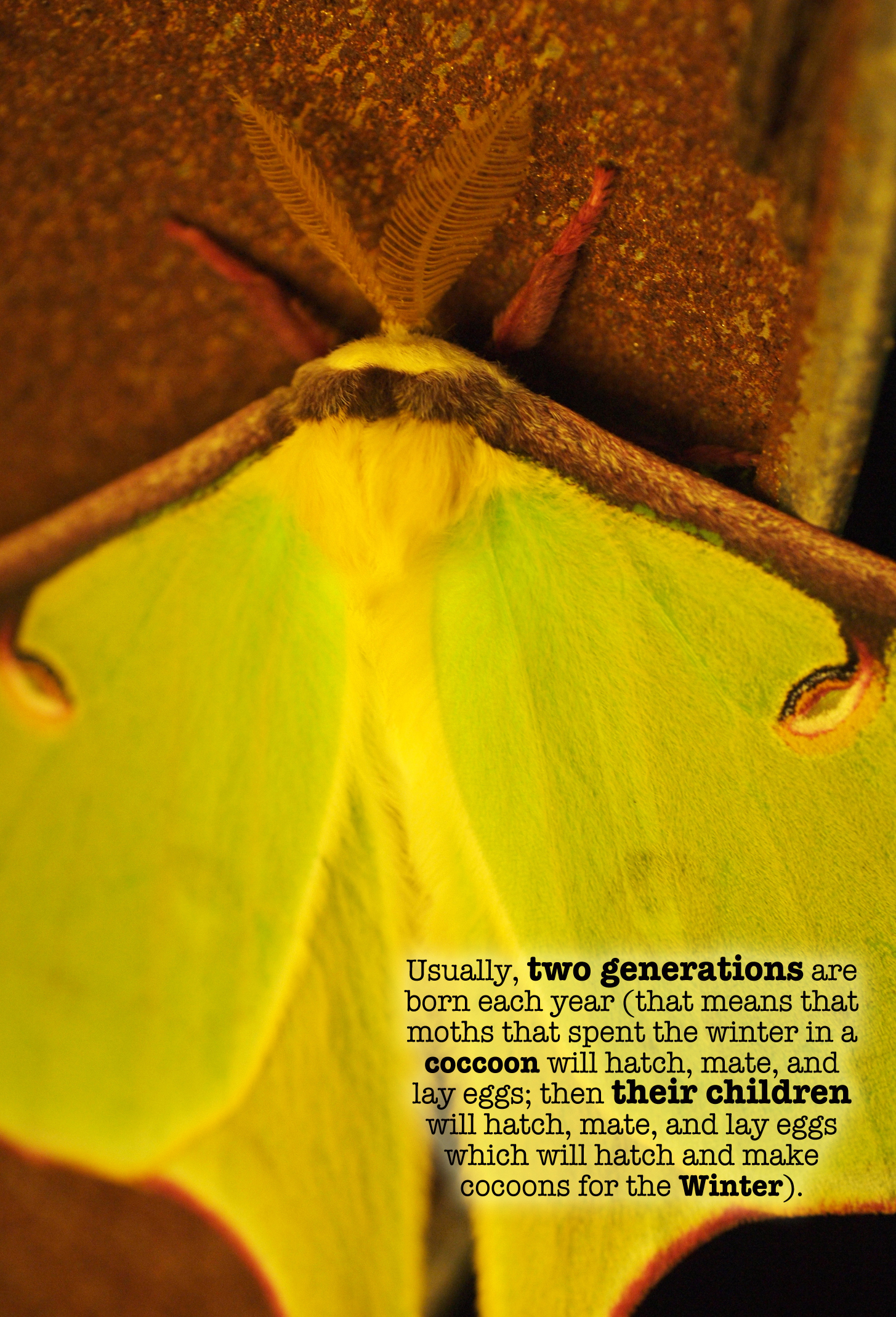
Their bodies are covered with scales that look like fur

Image

Image

They vary a bit in size and vividness.

Image

Image

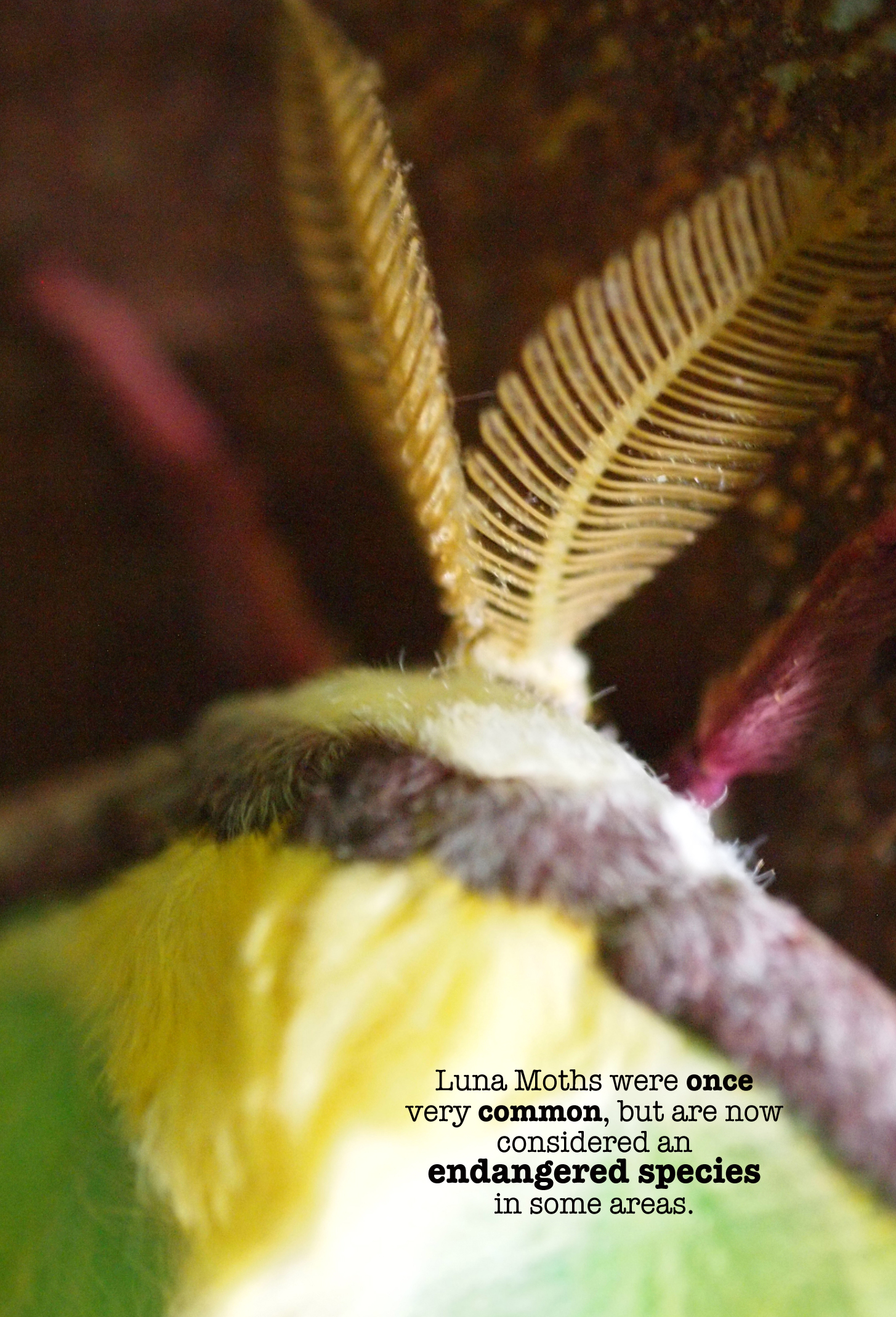
That crazy flight pattern is how the males find the females – those antenna pick up the scent

Image

Image

Image

Image

Their tales flutter wildly when they fly

Image

Image

This shot was taken with a 40 year old Macro lens on a bellows

Image

Image

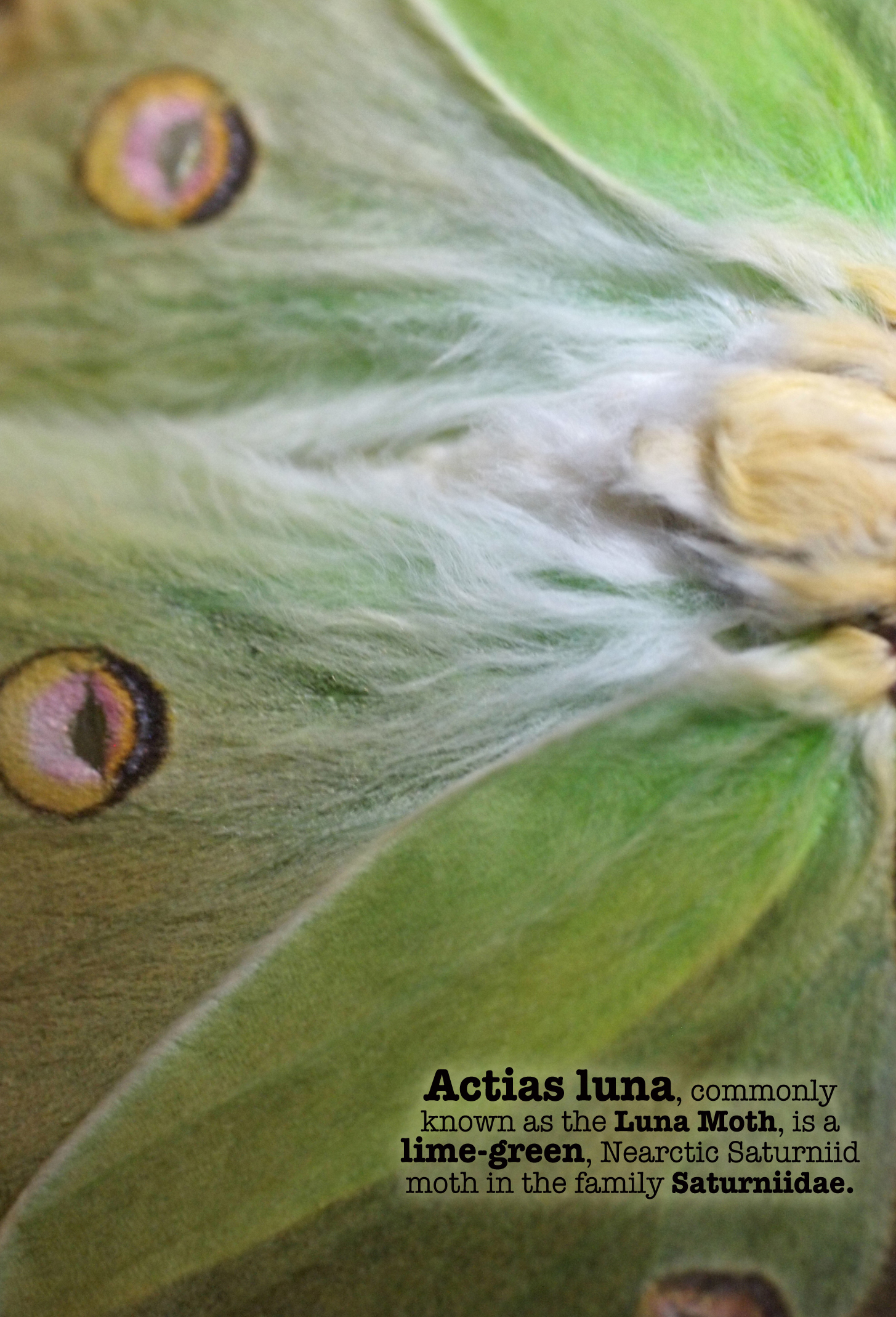
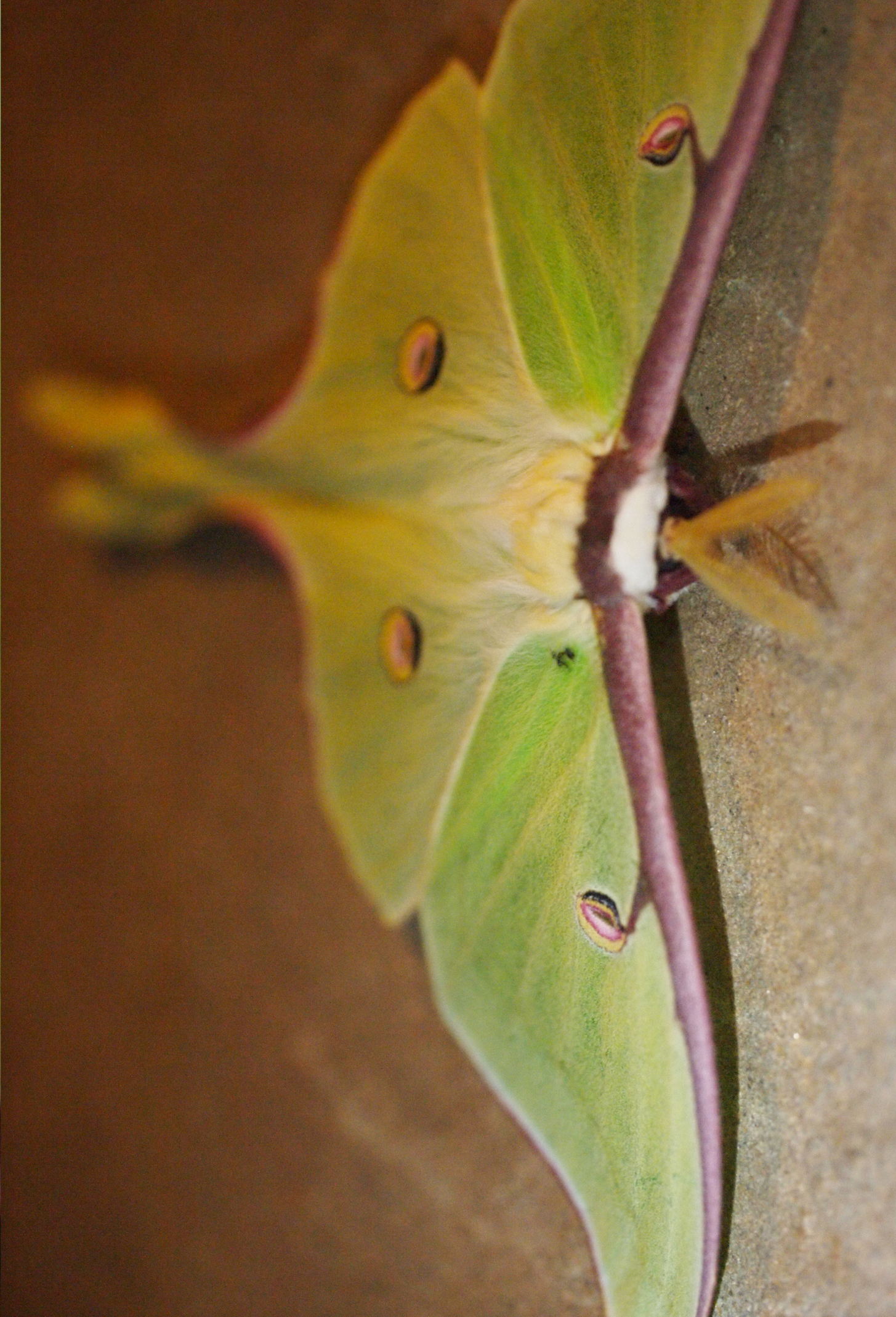
They eyespots have a translucent center.

Image

Image

This guy got into my house and I was worried he would hurt himself before I got him out the door.

Image

Image

I would leave my porch light on in the day time so that this one would stay.

Image

Image

This one fell off the screen as I tried to close it – he rested on my step for about an hour.

Image

Image

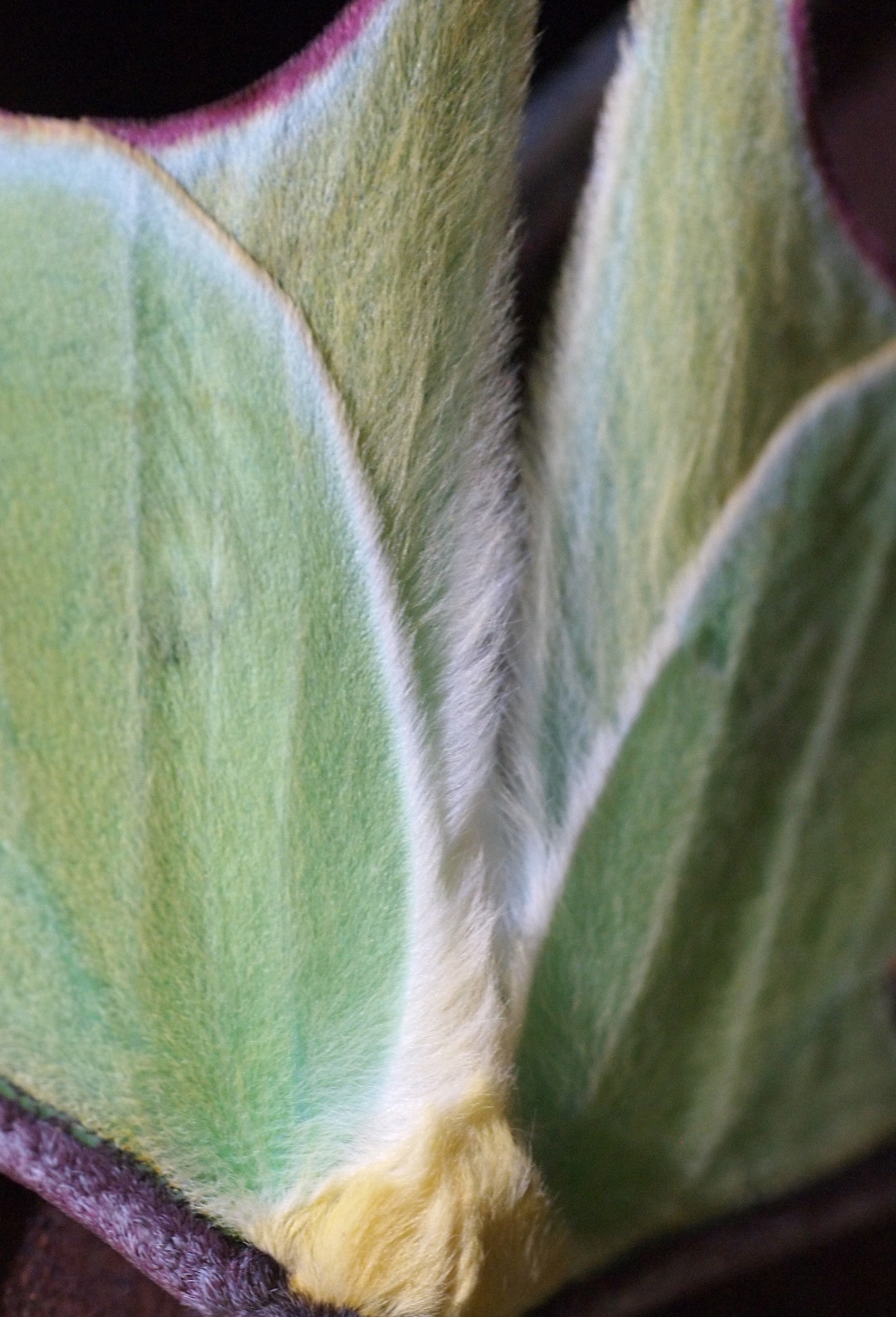
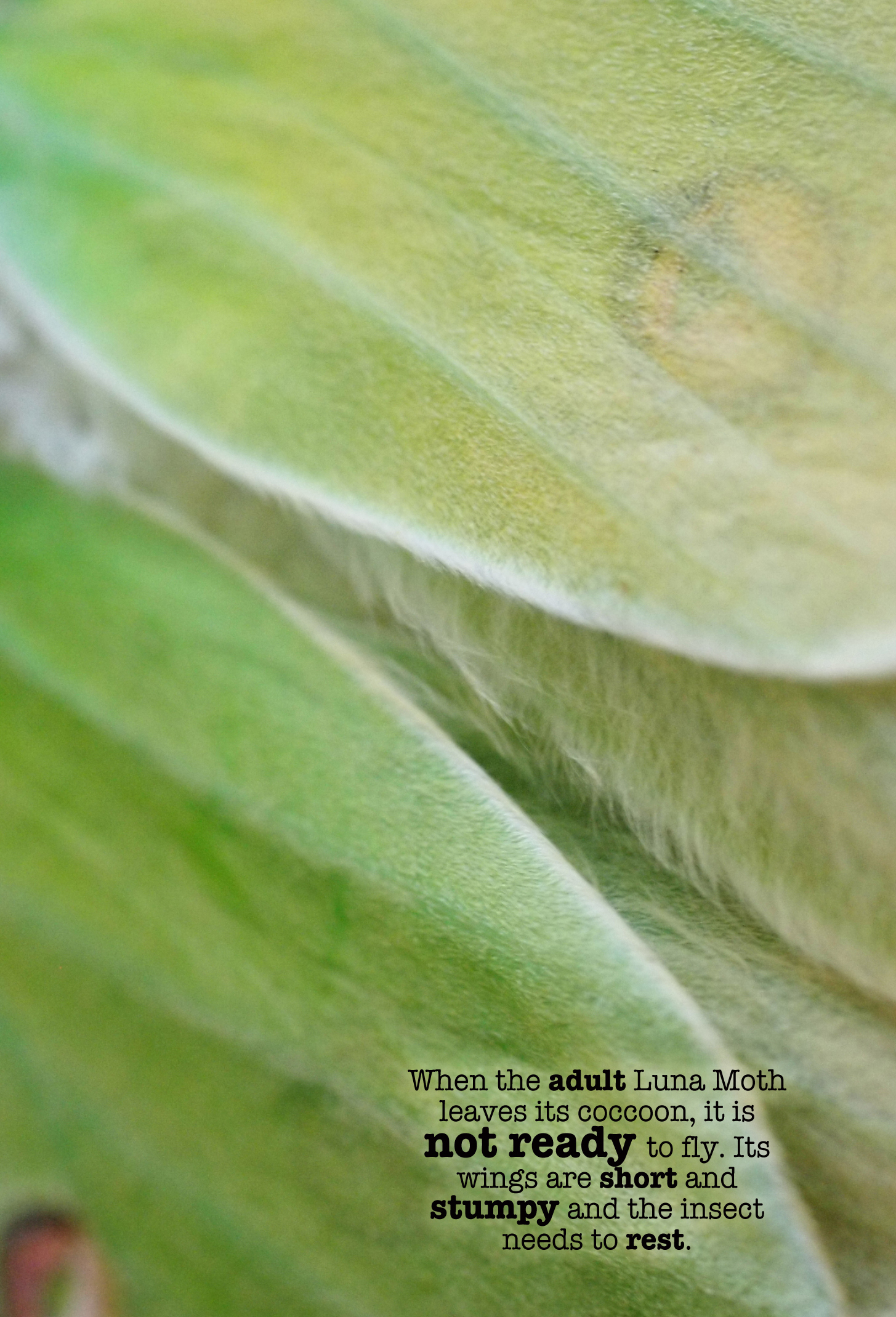
The edges of their wings almost look like woven tapestry to me.

Image

Image

Sometimes the lower wings have a scalloped shape.

Image

Image

This one was smaller than the rest and he stayed perched inside my smaller light fixture on the back porch.

Image

Image

This image was also captured with a manual macro lens and bellows – in it you can see the scale structure clearly.

Image

Image

This is another macro and bellows shot of just the antenna.

Image

So now they are gone. Summer is on it’s way in the Ozarks.