A Wider View

Photography has many facets, and like most photographers I have my strengths and my weaknesses. I love shooting still life, I could spend all day behind a macro lens, shooting just about any animal challenges and excites me. There’s one type of photography that totally intimidates me. Landscapes.

I know a good landscape when I see one. I admire it when a photographer can capture the whole horizon and direct my eye to just that right spot. I can stand in the woods and be in awe of the sheer volume of trees, but when I try to capture that it’s just a mass of vertical lines. I will hike for miles to see a waterfall, but my photos have never quite capture the serenity my eyes see.

I just got back from a cross-country adventure with my sister. We call it “Planes, Trains, and Automobiles”. This year we even added a boat to the mix. We each flew to Chicago, took a train to Portland, and rented a car and managed to get to five National Parks in the Pacific Northwest – all in 10 days. Somewhere along the way we even took a ferry. The places we saw were amazing.

Last year we took a similar trip into the central plains and saw so much wildlife, that I almost forgot about taking photos of the places. This year we saw very little large wildlife, I had upgraded my long zoom in preparation for this trip – and I used it to capture some birds here and there, but mostly this trip was about the places, beautiful places – I was going to be forced to shoot landscapes.

What follows are some of my better attempts. This is my photographic journey across the Pacific Northwest.
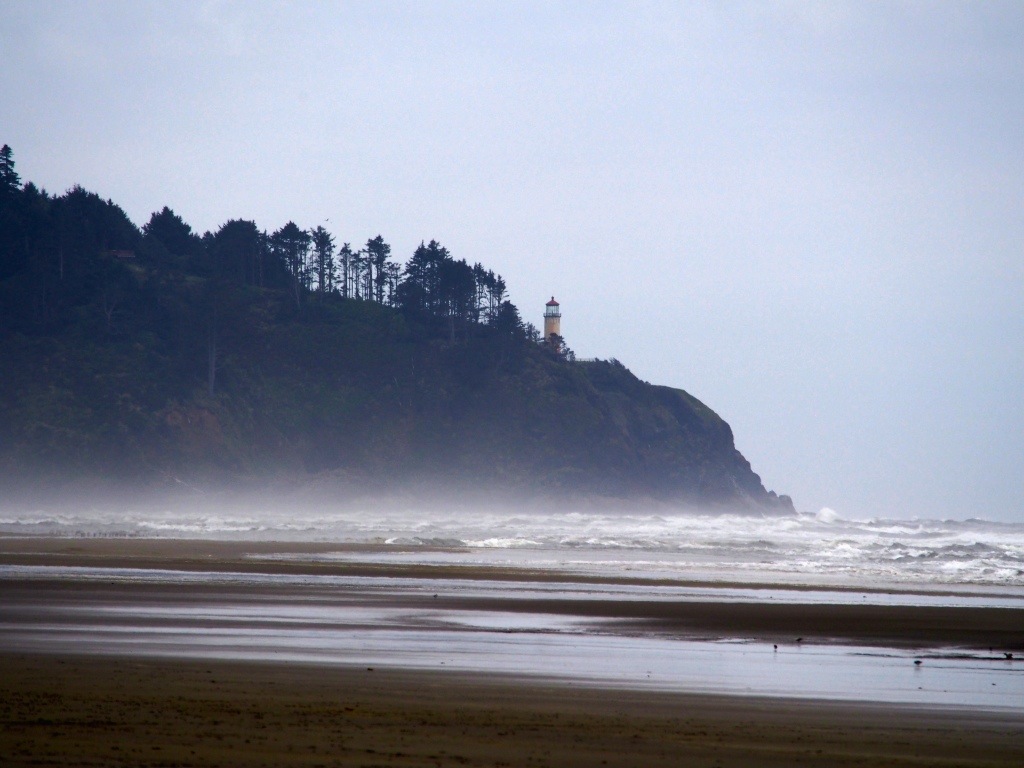
20130523-212053.jpgThe surf at Cape Disappointment. This is the spot where Lewis and Clark finally reached the Pacific Ocean. They had such depressing names for places – Dismal Nitch, Point Disappointment, and the Cape. They missed a supply ship by a couple of days, a ship had waited for months for them. After an upstream journey of a couple of years, the name seems to fit.
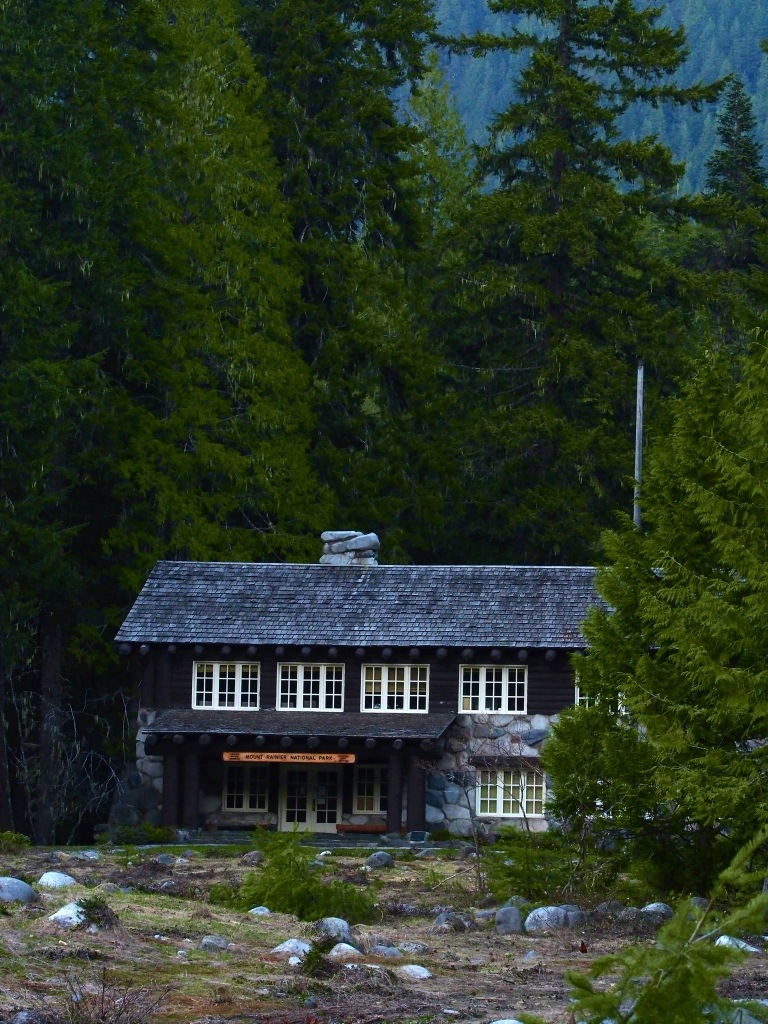
20130523-202058.jpgLongmire Ranger Station, Mount Rainier National Park. Several of the shots at Longmire were taken after sunset, this one was taken about an hour after sunset with a long exposure. I braced the camera on a fence post. Shoulda packed a tripod.
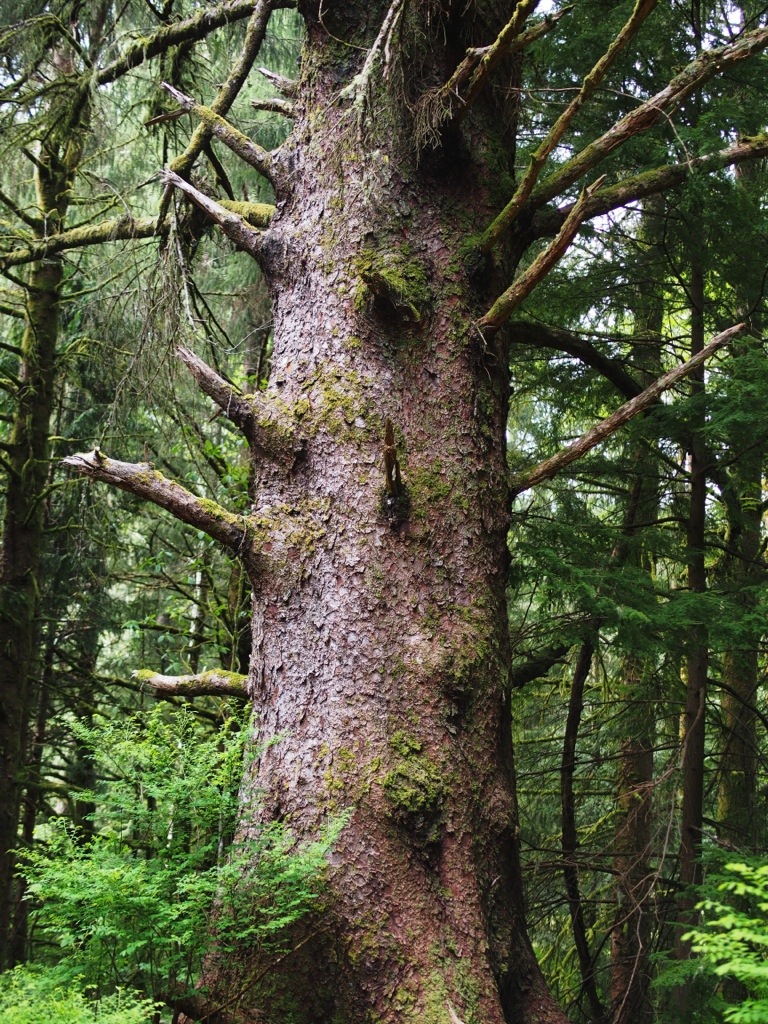
20130523-201145.jpgA huge Douglas Fir at the Fort Klatsop National Monument in Lewis and Clark National Park. This was one of the first mossy trees I saw and it was stunning. I decided that rather than shoot a mass of woods, that I would focus on one tree. For me this seemed more familiar, getting close is my thing.
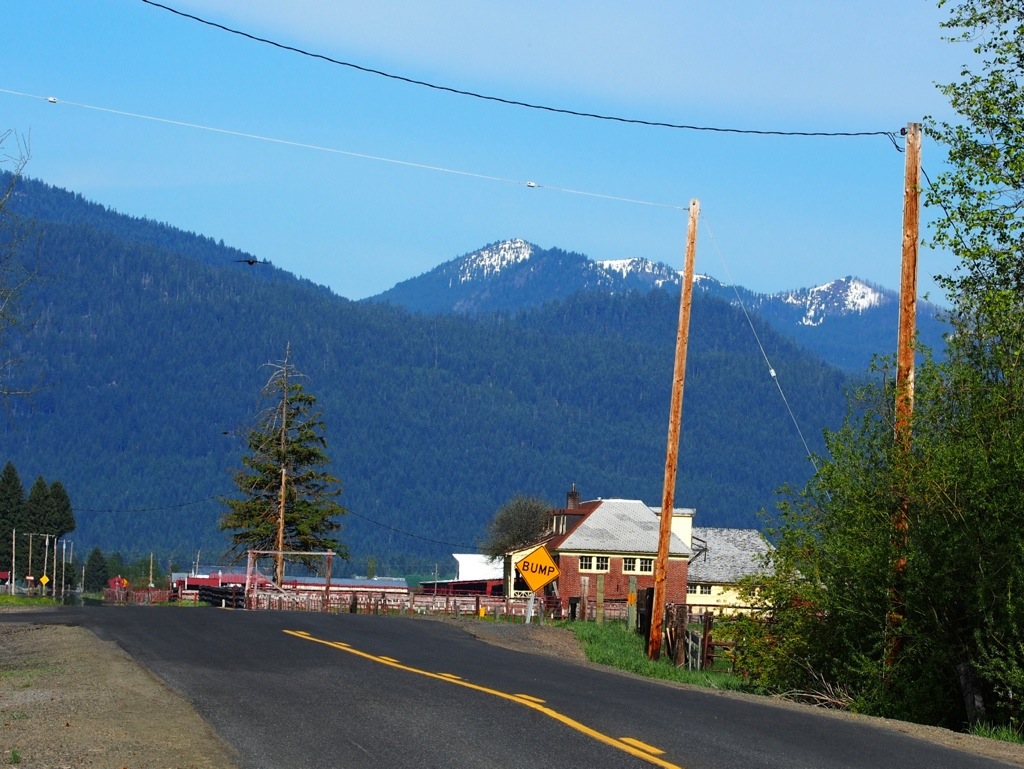
20130523-201750.jpgFort Klamath, Oregon – the last outpost in the high desert. I lived about 30 miles south of here for about 10 years and I miss these wide open spaces and rugged mountains. In truth, I found it challenging to shoot and capture the feel of the place, it’s flat there was no way to get close without losing the feeling of space.
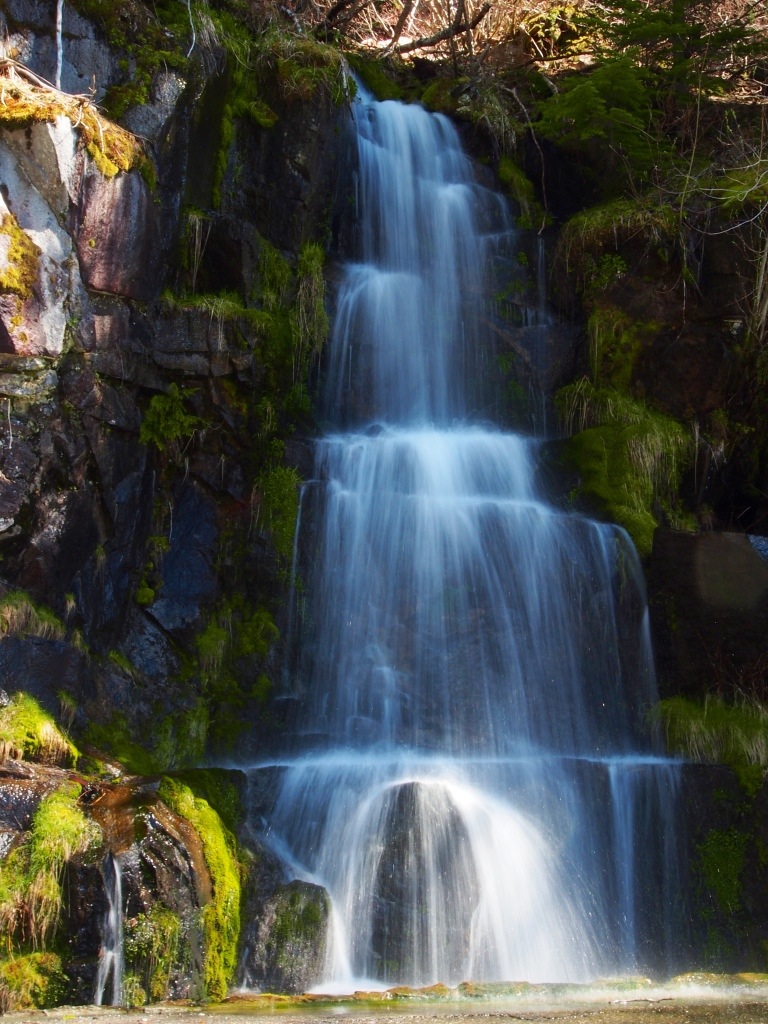
20130523-201204.jpgAn unnamed waterfall just below Paradise in Mount Rainier National Park. In May the snow melt races downhill to fill the Nasqualy River. I had been wanting to try a long exposure on moving water and this trip gave me lots of opportunities. I have never used a neutral density filter, but I have been reading on their use in shooting moving water, I think this is something I want to work on. A side note, I participated in an art sale last weekend and this was one of my most popular prints. I almost didn’t show it because I see a hundred things wrong with it.
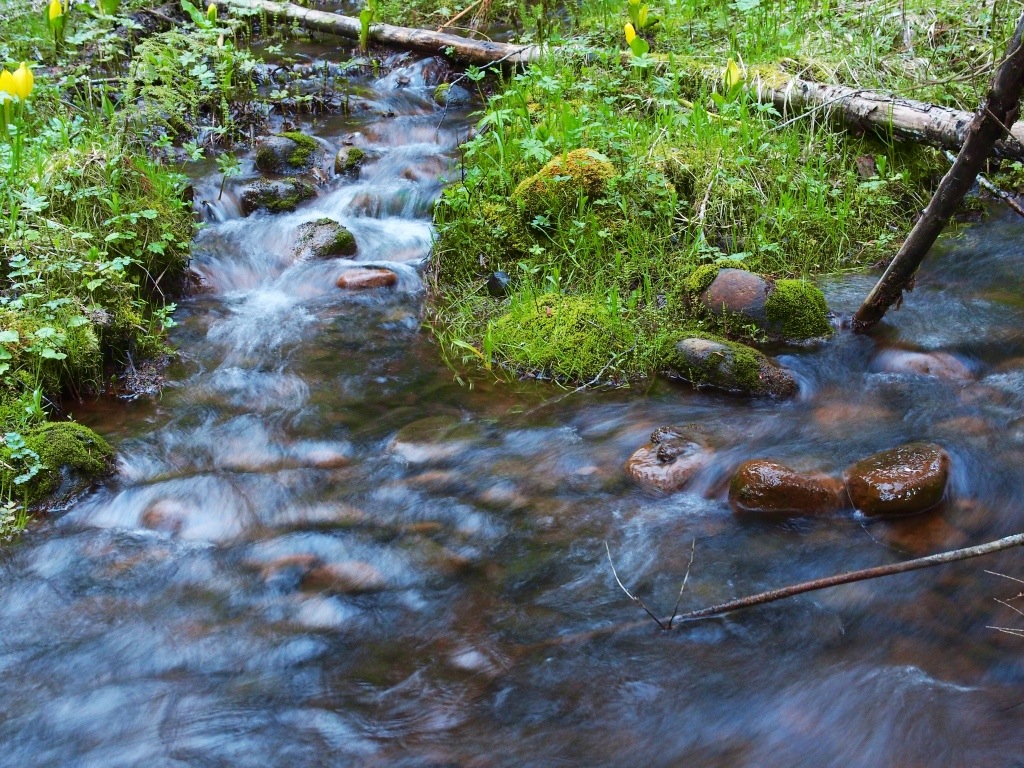
20130523-201643.jpgA small creek at Longmire, Mount Rainier National Park. I shot this right after sunset in the woods, and without a tripod I had to brace the camera on my knee for a long exposure. It took several tries to get the grass in focus – I found that in leu of a tripod, holding your breath helps.
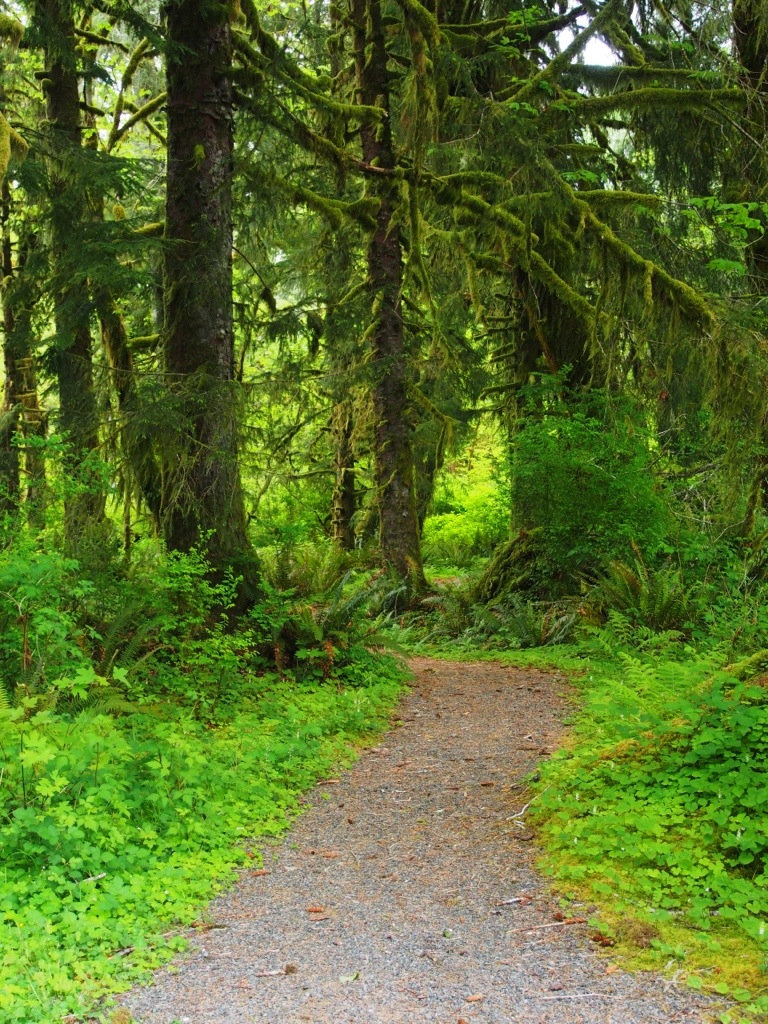
20130523-201236.jpgHiking trail at the Hoh Ranger Station, Olympic National Park. We got to this station hoping it would be open, but it was still shuttered for the winter season. The green here was just so stunning. I shot lots of close things, but this was the one place that gave me the sense of entering the rainforest.
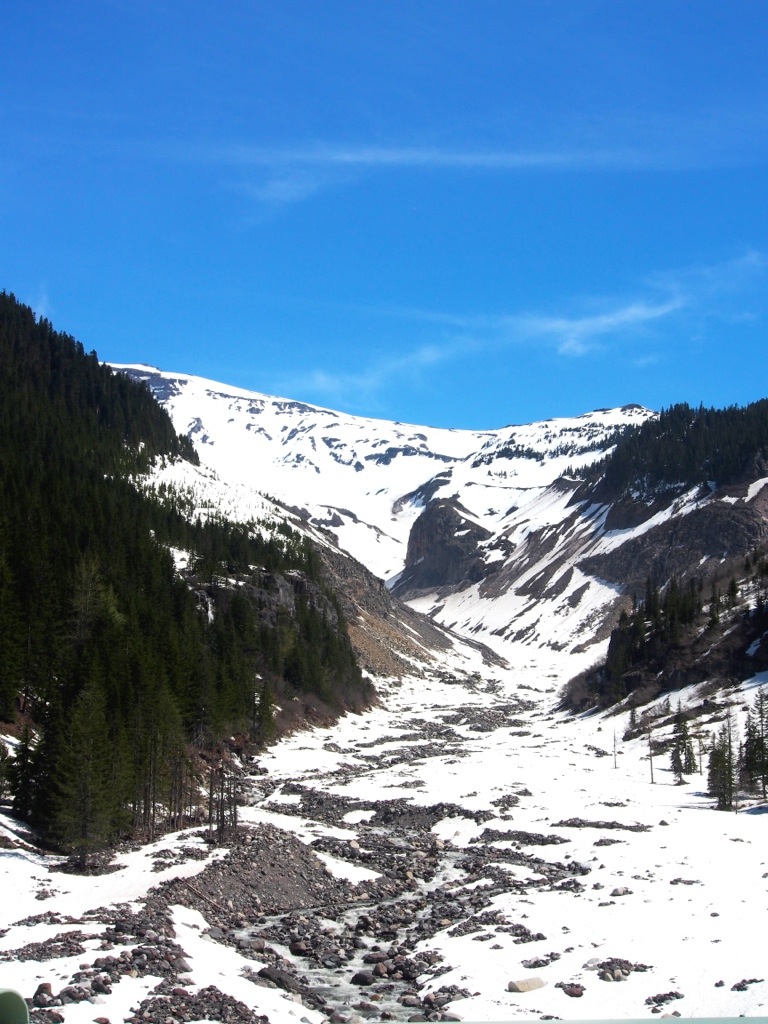
20130523-201312.jpgThe birth of a river – this is where the Nasqualy River begins. Snow and glaciers melt at high altitudes – this small trickle will become a raging torrent as it descends. Mount Rainier National Park.
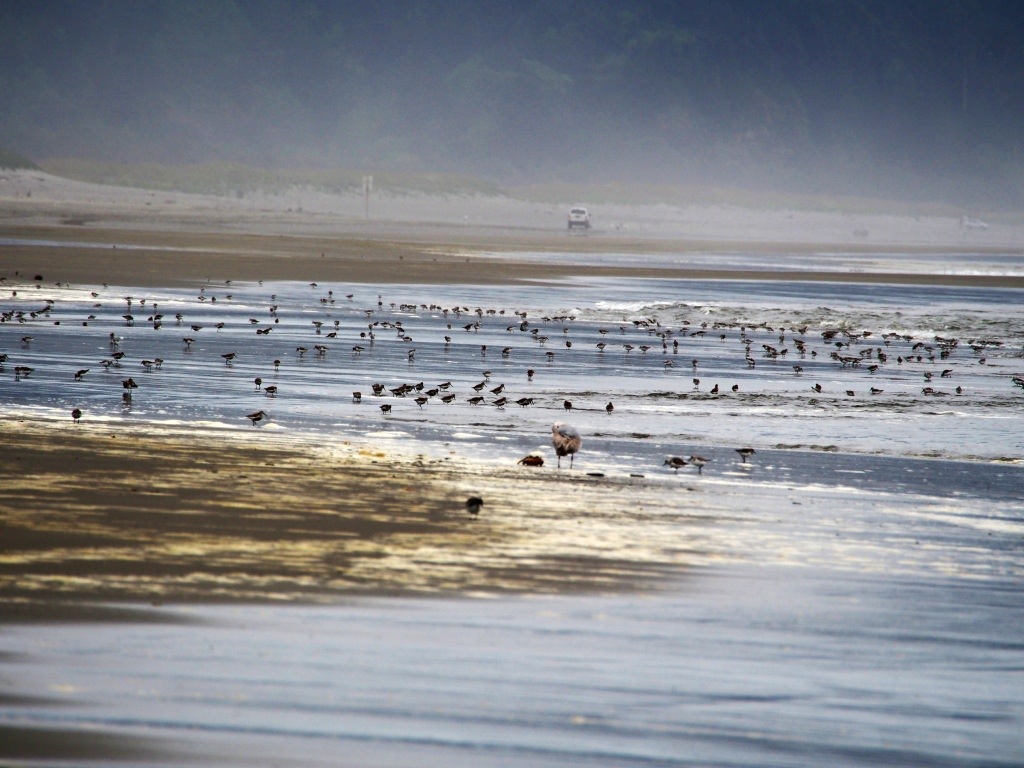
20130523-201336.jpgBirds on the beach below Cape Disappointment, Lewis and Clark National Park. I once gave my mom grief about shooting white caps on an overcast day on a white sandy beach in Oregon – I was similarly drawn to the scene, despite its lack of contrast.
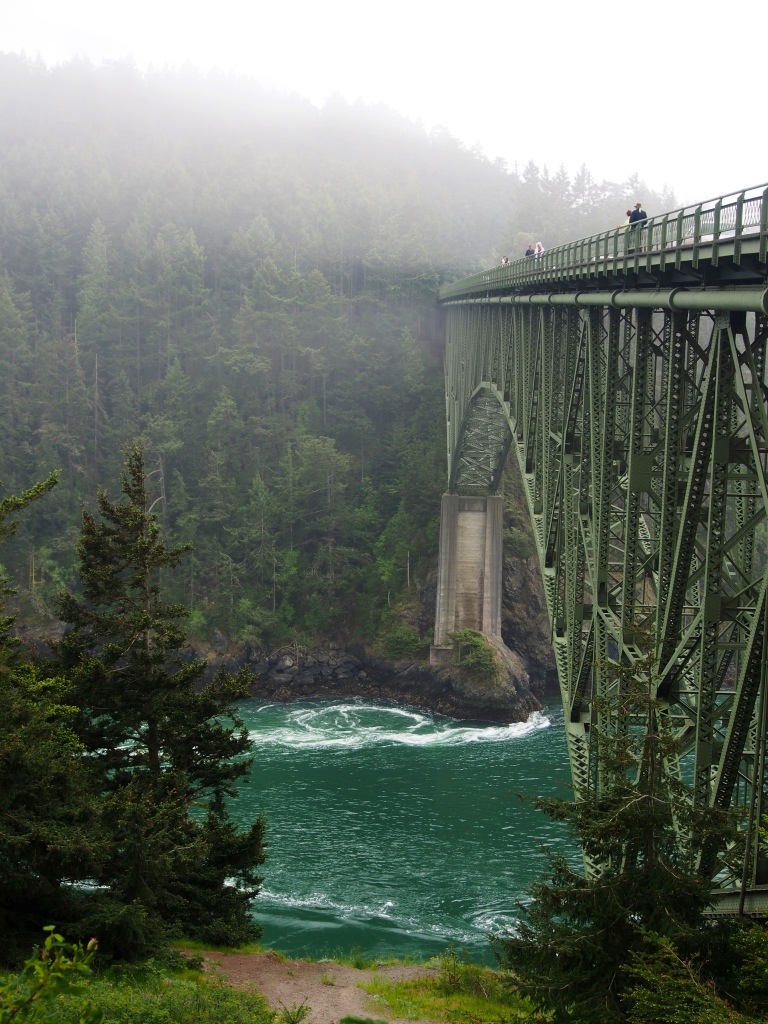
20130523-201419.jpgDeception Pass, although the name sounds like it, this place was not named by Lewis and Clark. I have read the plaque on the bridge, a Wikipedia article, and a brochure, and I still don’t understand why it’s named that. Oh well, I loved the green water and the eddy at the shoreline.
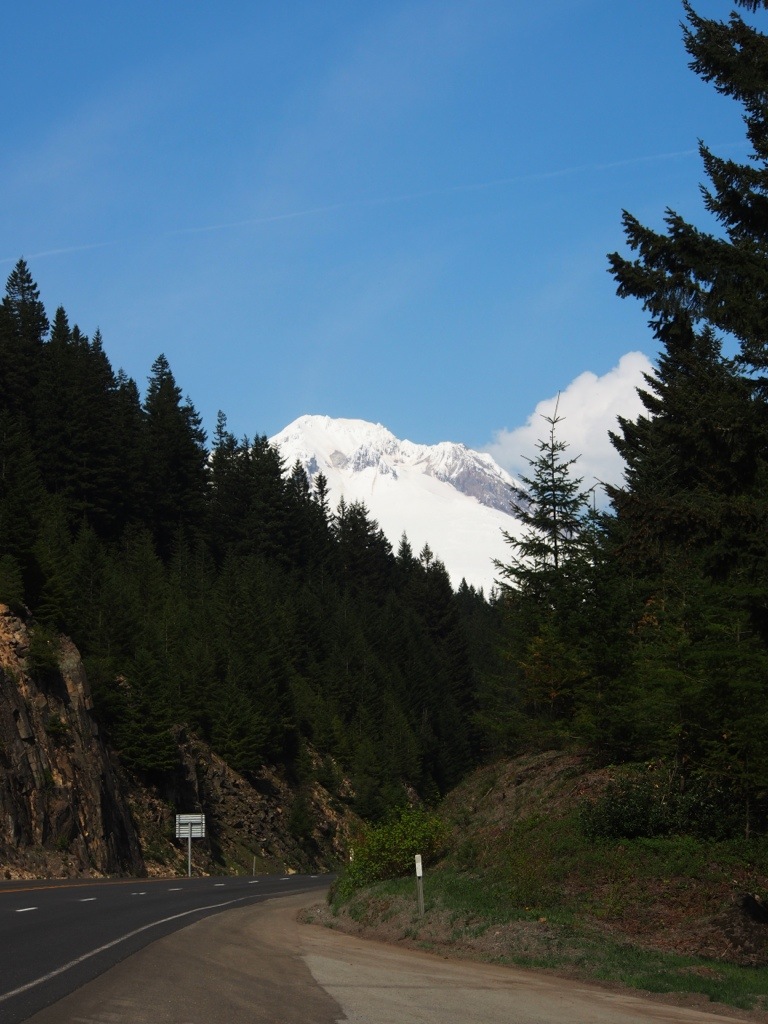
20130523-201506.jpgMount Hood, in Oregon. This peak is snow covered all year round. Over the course of our trip we passed it three times and its not easy to find a good angle to shoot it from. This was one of very few pull outs on the southern side of the mountain. I took some shots on the train and from other vantage points, but found then uninteresting, the sense of scale just wasn’t there.
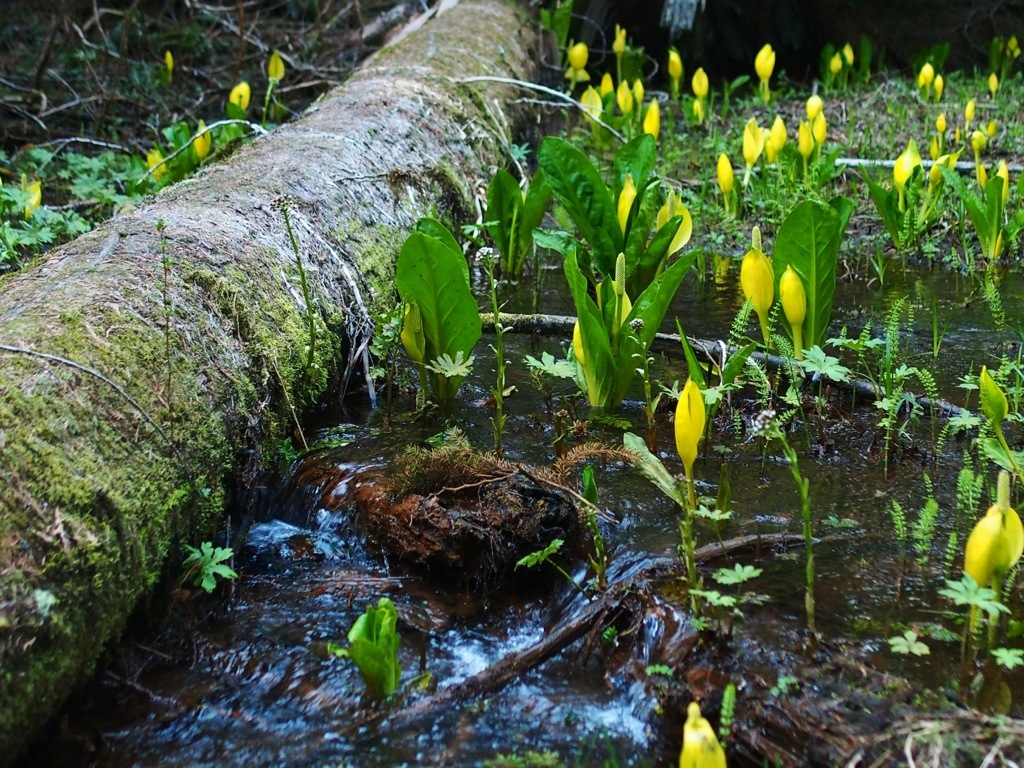
20130523-201947.jpgSkunk cabbage in the creek, Longmire, Mount Rainier National Park. I shot this after sunset, but opened the aperture and didn’t increase the shutter speed very much. This was my first attempt at shooting in the dark and that open aperture meant less bracing, but also less focus.
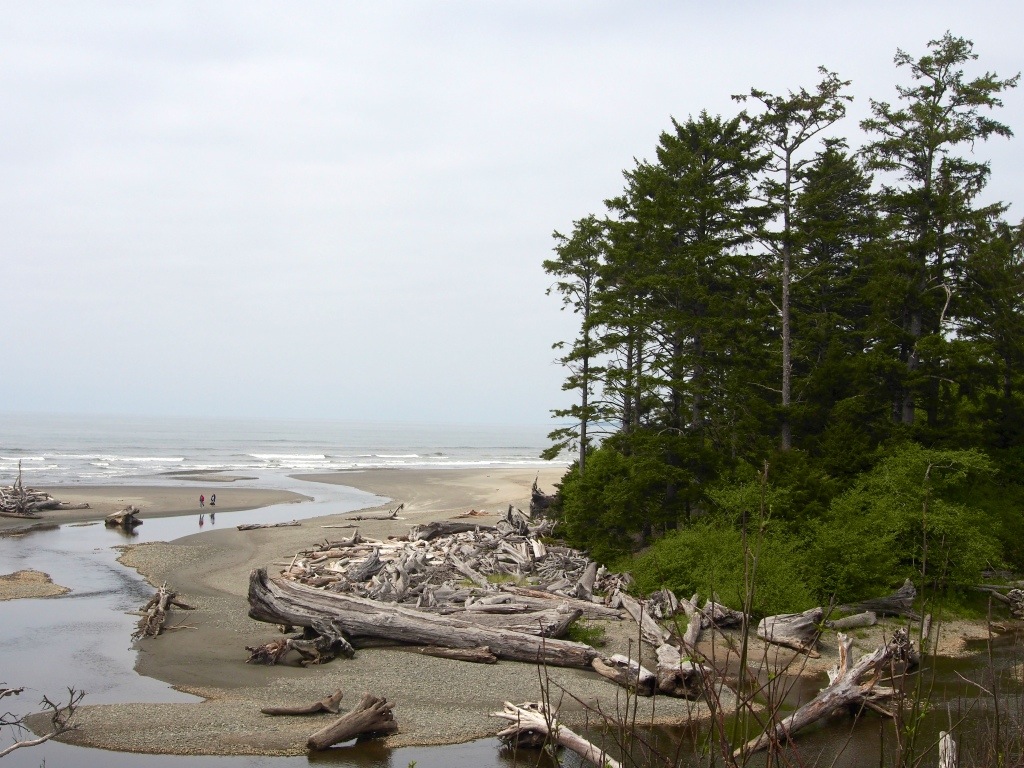
20130523-201616.jpgThe Pacific Ocean at Kalaloch, Olympic National Park. This shot is all about scale – those driftwood logs are just huge. I shot this spot and walked away. When I noticed the hikers below I shot it again. It had no sense of scale without the hikers.
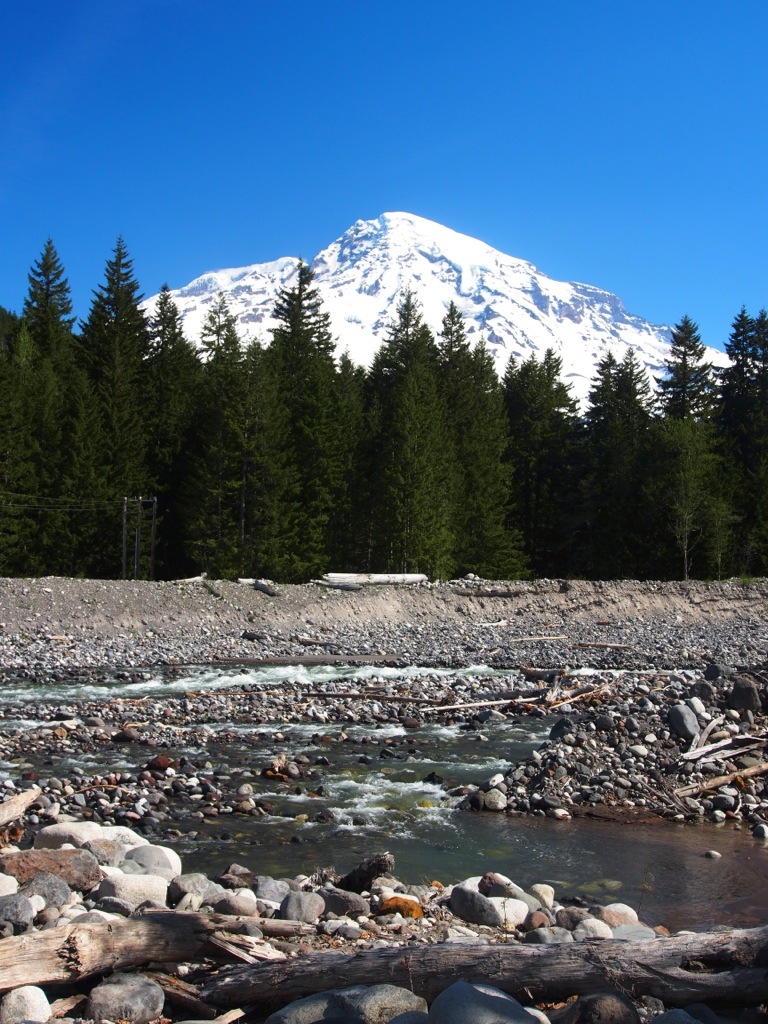
20130523-201715.jpgThe Nisqualy River, below Mount Rainier. The sound of this place was amazing, the view was pretty special too. A park ranger gave us directions to this spot when he saw our camera bags. I have recorded video of the spot, mostly to relive the sound of the river.
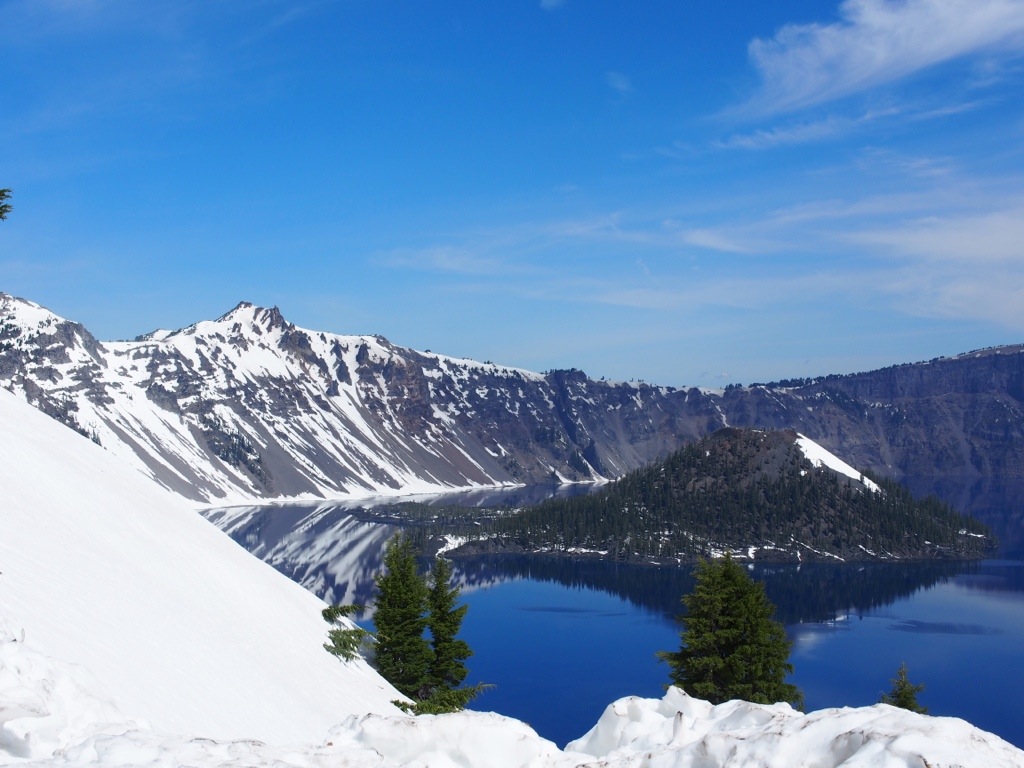
20130523-201736.jpgWizard Island – just off the west shore of Crater Lake. Full disclosure, Crater Lake is my absolute favorite place on the surface of this big blue marble. I hadn’t been there in 20 years and the first sight of it made me tear up. The beauty is overwhelming, and I know I am ill-equipped to capture it in a way that adequately conveys it. This shot has not been edited at all, the water is that blue, the sky is that stunning. I could have sat in that spot for weeks.
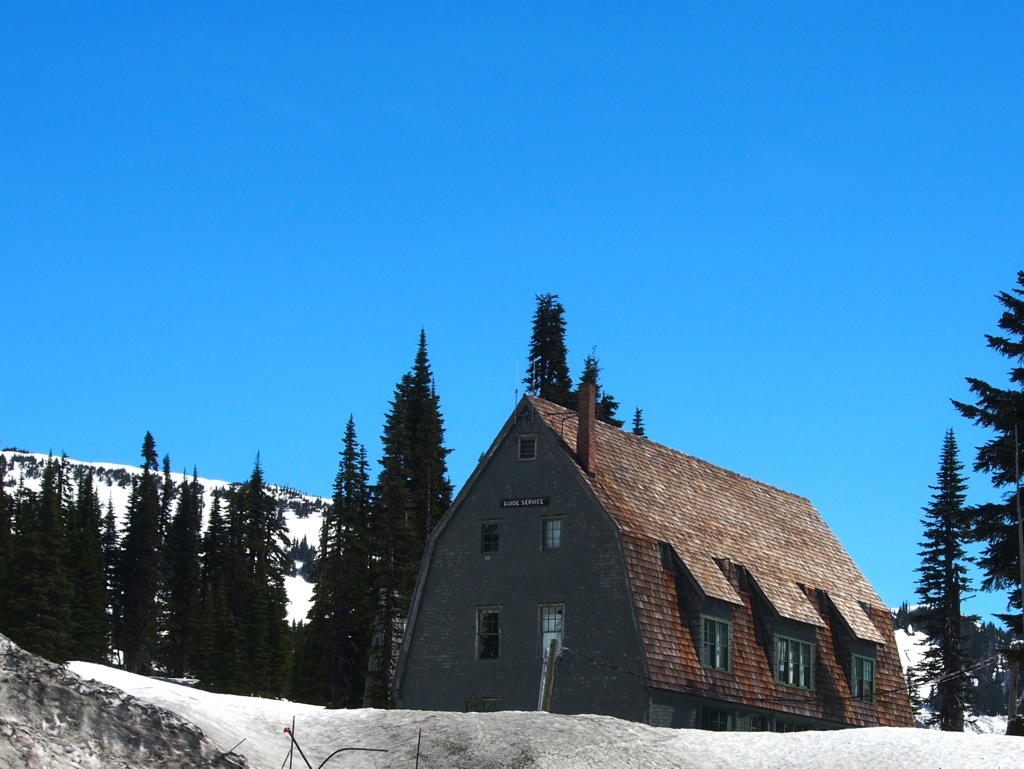
20130523-201804.jpgMount Rainier Guide Service. The snow was still 14 feet deep on the slopes here. There were people in shorts snowshoeing with the rangers. Paradise, Mount Rainier.
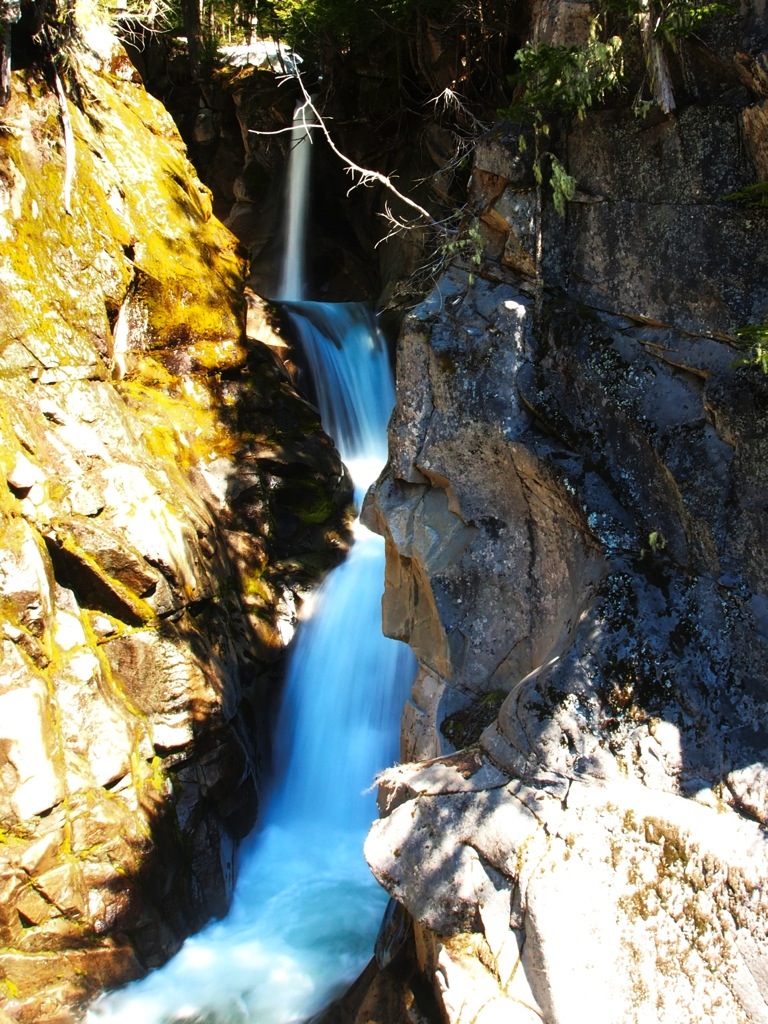
20130523-201540.jpgChristine Falls, Mount Rainier National Park. These falls are glacier fed and this is just the top two tiers. It’s named for a disabled 8-year-old girl who managed to climb to the 10,000 foot point on the mountain in 1889 – I love that. She may not have conquered the mountain, but she conquered something bigger by tackling the beast. I wish the sun had not been so direct, I would loved to have shot this earlier or later in the day. I braced myself against the bridge wall and took a long exposure on this one, the lights are too bright, but I like the effect of the long exposure on the water.
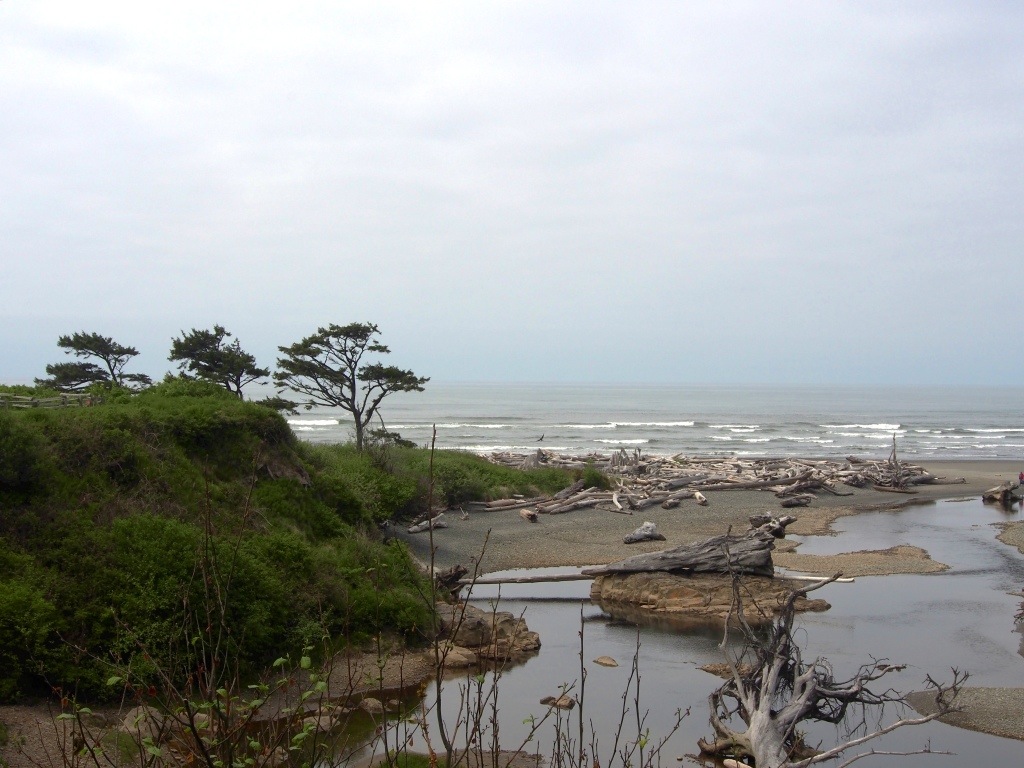
20130523-202010.jpgKalaloch, Olympic National Park on the Pacific coast.
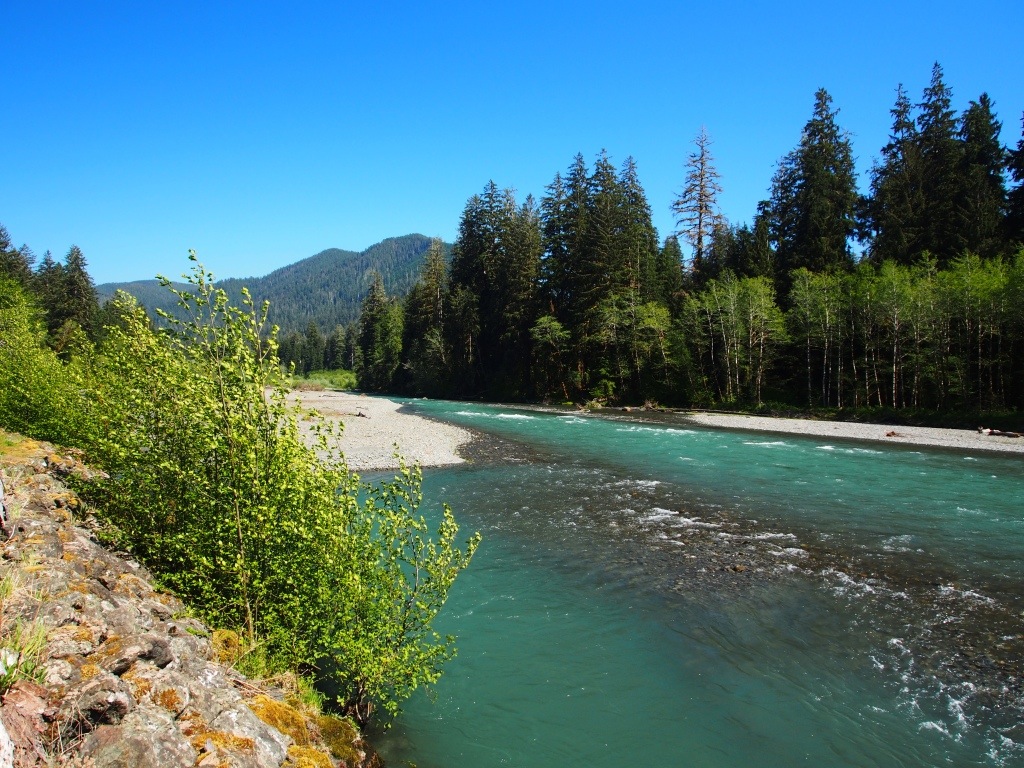
20130523-201256.jpgThe Hoh River in Olympic National Park. A river filled by snow melt – we actually got into this river and it was unbelievably cold. The river channels here were so much wider than those in the Ozarks – and there were lots of huge logs along the banks. It looked like massive earth moving machines had been down there, but this was all created by moving water.
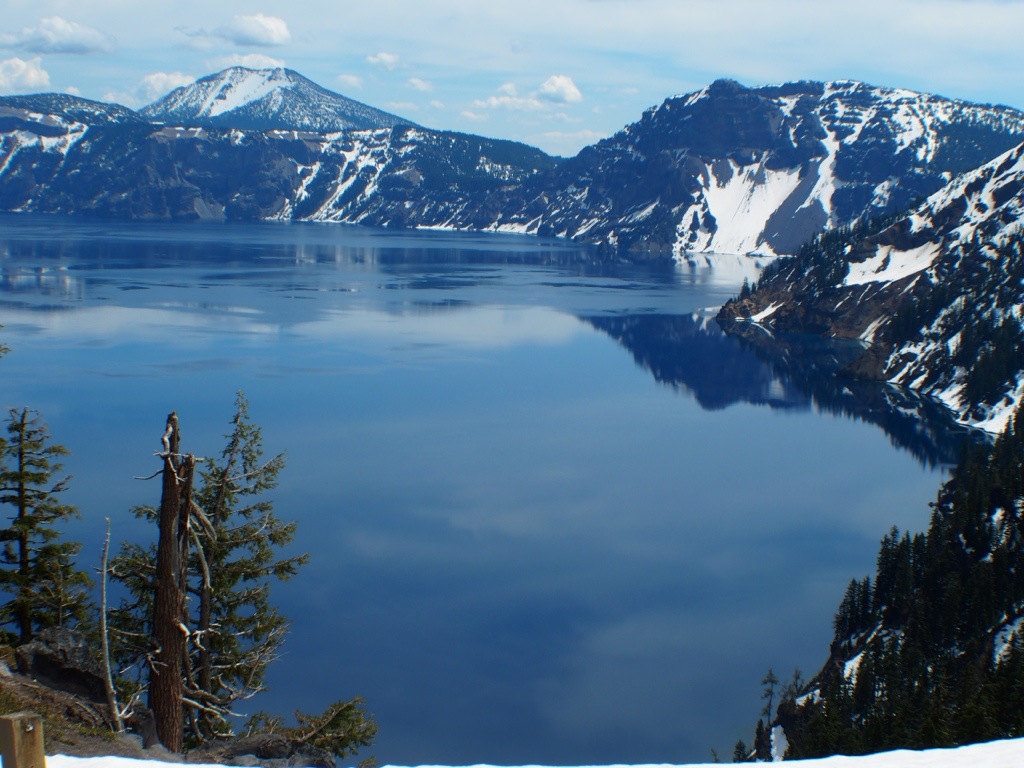
20130523-201830.jpgThe eastern edge of Crater Lake – its surface like glass. Bliss.
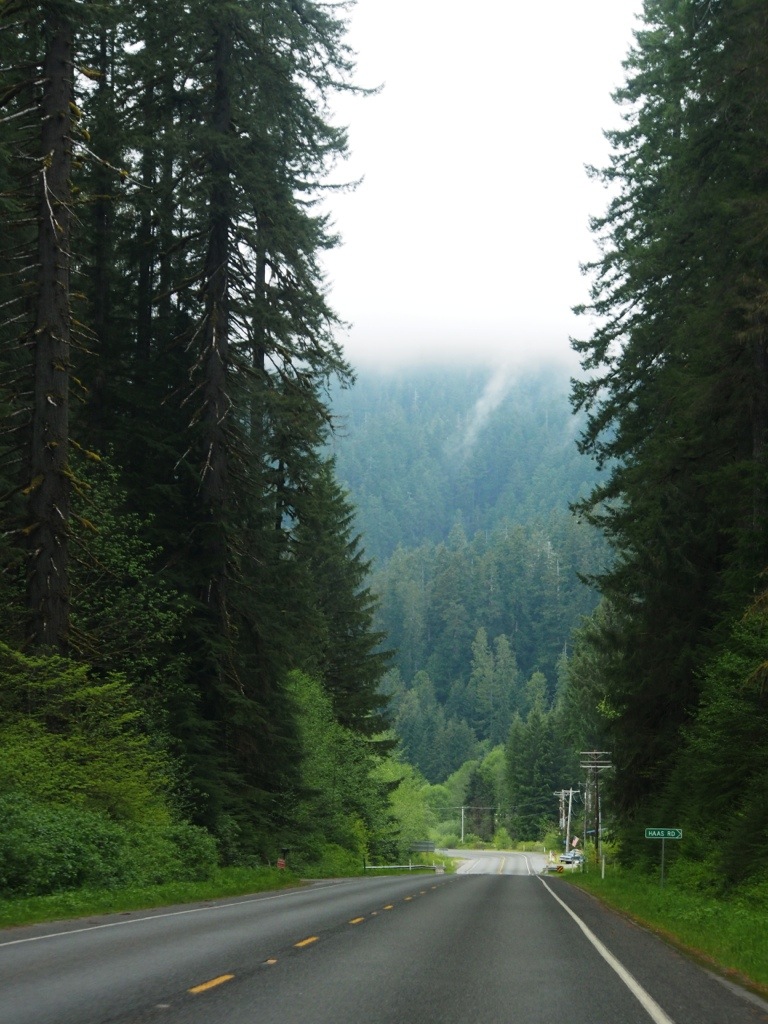
20130523-223218.jpgQuinault National Forest in Washington. We turned down this road because we saw a National Fishery sign. The top of the photo is not sky, it’s actually clouds that are lower than the treetops.

My natural inclination is to square up – but on this trip I looked for diagonal lines, hoping these would draw the eye into the image. Sometimes I think it works, and sometimes I’m not so sure. I know that a tripod could have improved many shots, but I haven’t invested in a good travel-weight one yet. The sky in the west is so much bluer more consistently than it is here, so there weren’t a lot of white washed out skies. The wide open spaces allowed me to focus a bit more on parts of the scene than I could have here in the hills and hollows.

All in all, I think this trip pushed me to try new things, to make myself solve some problems. I don’t think landscapes are my thing, but I did my best and think I did OK. I will always prefer getting close to my subject, it’s more intuitive – very right-brained. Landscapes take more thought.

I can’t imagine having seen all this beauty and not having tried my best it capture it.

March on Film Roll #4 – 1974 Olympus OM-1n

If you are following my series on film photography you might wonder what happened to roll #3. Well, when I started this project I bought several rolls of film, all Kodak T-Max. The first two rolls were 100 speed, the last 2 were 400. I made the mistake of making adjustments to my shutter speed and aperture based on the results from Roll 2 and all of my outdoor shots were completely washed out. Seriously, I should have known better – it’s like ramping up the ISO on my digital and shooting towards the sun. The thing about film photography is that you need to slow down. I shoot almost intuitively when I see something that intrigues me. As I get reacquainted with film I have to plan more and shoot less. I knew I needed to make some changes.

Something I have learned is that when you have your negatives scanned, they are quite grainy – this is evident in Roll 2. For this and all future rolls I am having prints made and am scanning them myself – it gives a better sense of what a print looks like, the grain is smoother but still evident. Another change is that I acquired a new camera. I was able to get a whole Olympus OM-1 kit with several lenses and filters at a great price. The OM-1 is a professional grade camera. It has a locking mirror, interchangeable focus screens. It also has a lever on the lens that lets you see the effect of an aperture change – it shows you how the DOF will appear in print – while it’s certainly not Live View, it does give you a better sense of what you are shooting.

Small, efficient, and packed with features - the OM-1 was the coolest piece of camera tech you could buy in 1973.

Small, efficient, and packed with features – the OM-1 was the coolest piece of camera tech you could buy in 1973.

The OM-1 and the whole OM system were revolutionary in the 1970s. Full functioning SLRs in what seemed like impossibly small packages at the time. The OM is a fraction of the size of a modern Nikon or Canon DSLR – it is almost exactly the same size as my OM-D that I carry everyday. When you combine this with a dizzying array of high quality lens options – you get a system that stands up better than most over time. Most of the lenses us the same filter size, so you can carry one set in your bag and only need one lens hood – very smart. The lenses are surprisingly compact too – they were designed to sit a bit closer to the mirror than other systems so they needed less length to achieve the same focal distance. I started shooting Olympus Pen digital cameras when they were introduced a few years back because my OM system lenses were so adaptable – some of these lenses give amazing results still today. My post about luna moths features a few macro shots taken with my OM Macro Bellows set-up.

Having seen the disaster of Roll #3, I am glad that I chose to shoot the new camera in mostly indoor and low light situations. I paid closer attention to the light meter and made use of the DOF preview button – I had no idea what that button was until I acquired this camera kit complete with a users manual.

Sushi Roll

Sushi Roll – my first shot with the OM-1

It’s funny that I don’t think about focusing at the mid-point of an image very often on my digital camera – shooting film and seeing those focus screens has made me more aware of this option. This is one of the many things I have taken away from my film project.

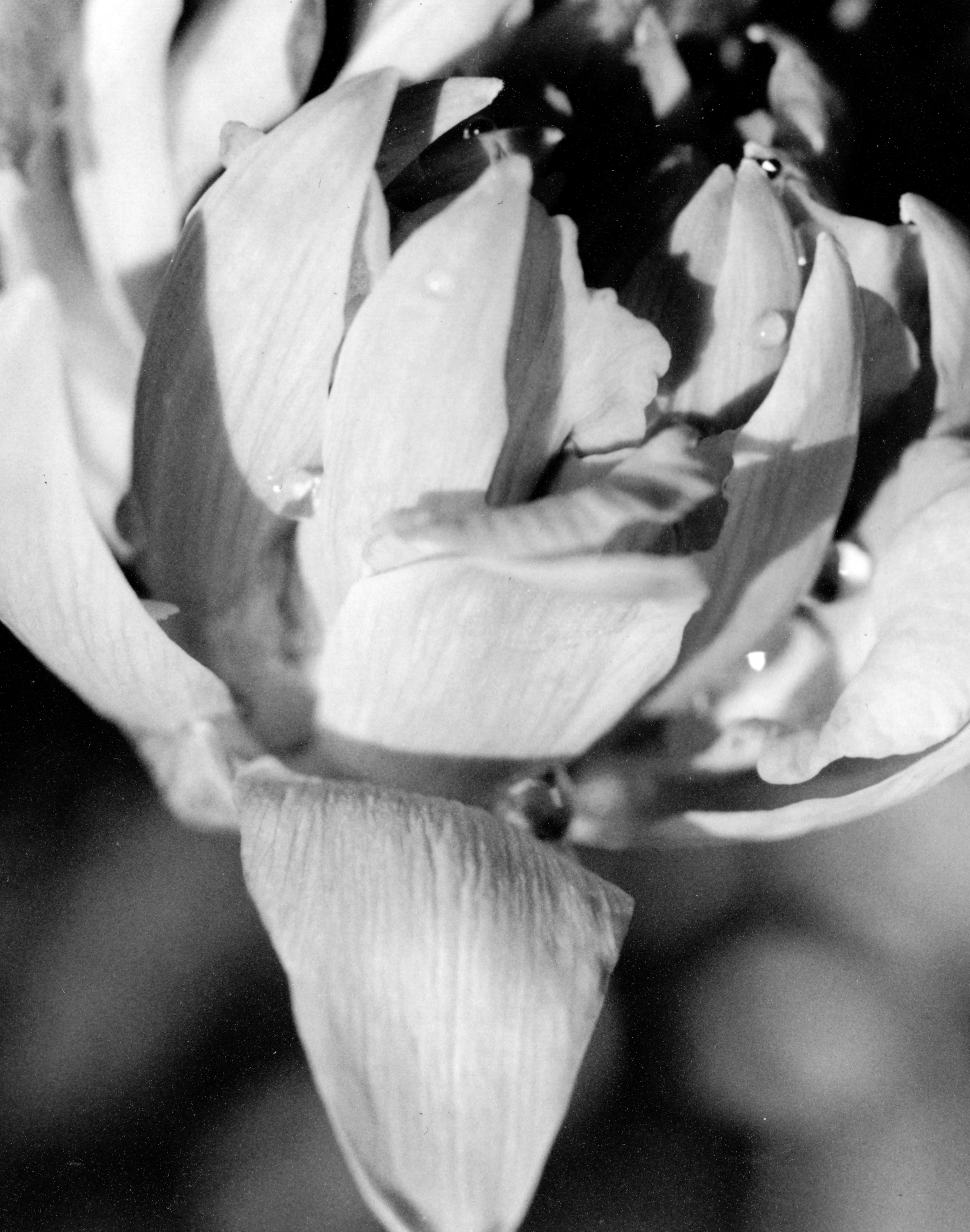
Petals, Veins, Water, and Bokeh

Daffodil Opening – Petals, Veins, Water, and Bokeh

I took to a shady spot and watched the light meter closely, hoping that I could capture some water drops after the rain. Shooting in black and white is making me think a lot more about contrast. Color is what motivates me to shoot many things and stepping back has made me look more for tonality even in color images.

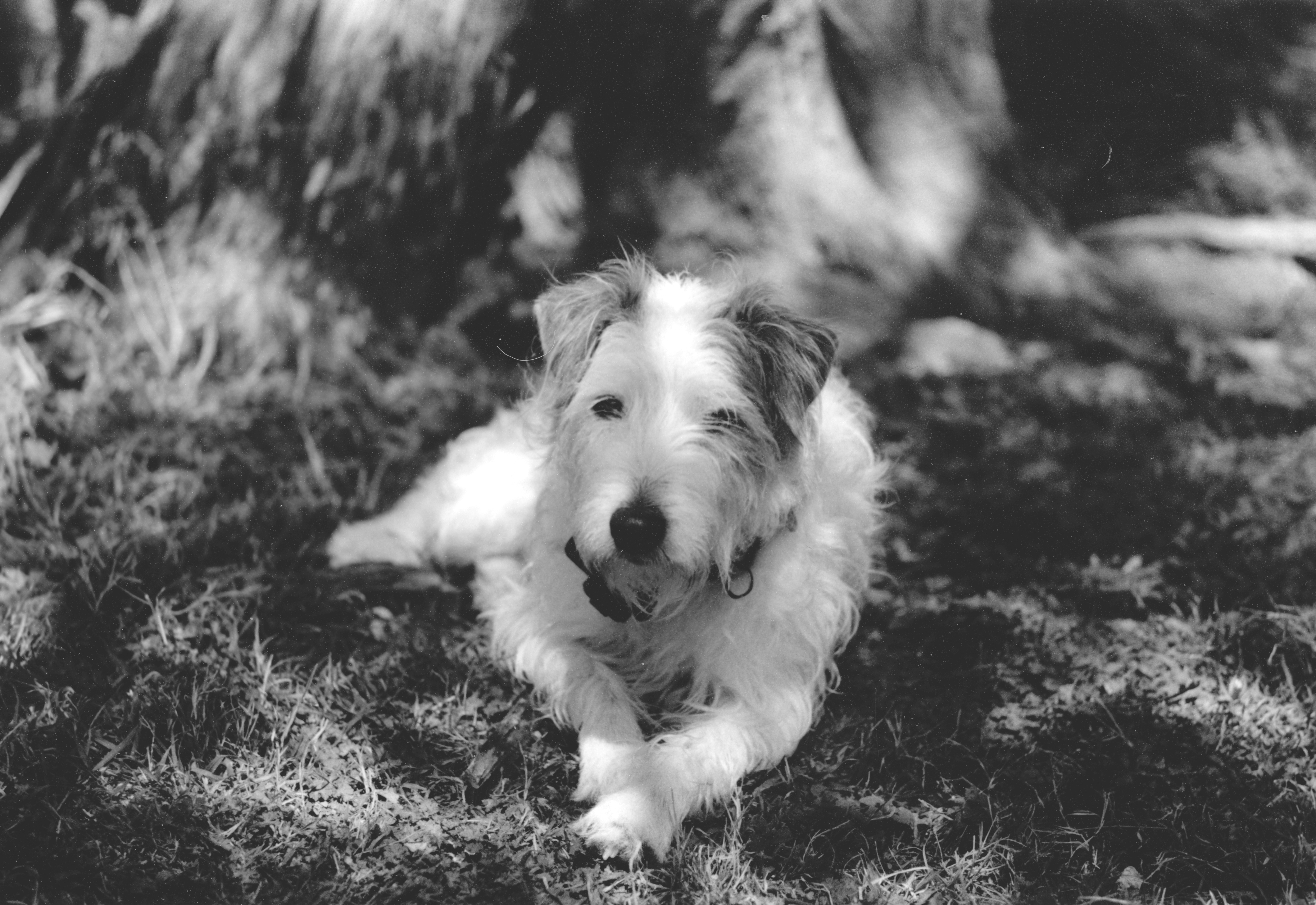
Grass, Furr, and Sunshine

A Timeless Kirby – Grass, Fur, and Sunshine

Understanding how the pieces – aperture, shutter speed, film speed – all work together made me look for lower light opportunities to shoot. This shot of Kirby was made with the aperture closed down in a shady spot. He rarely lets me get this close with a camera, especially one that takes time to get right. I like the tonality of his white fur in the sun against the darker greys of the tree bark.

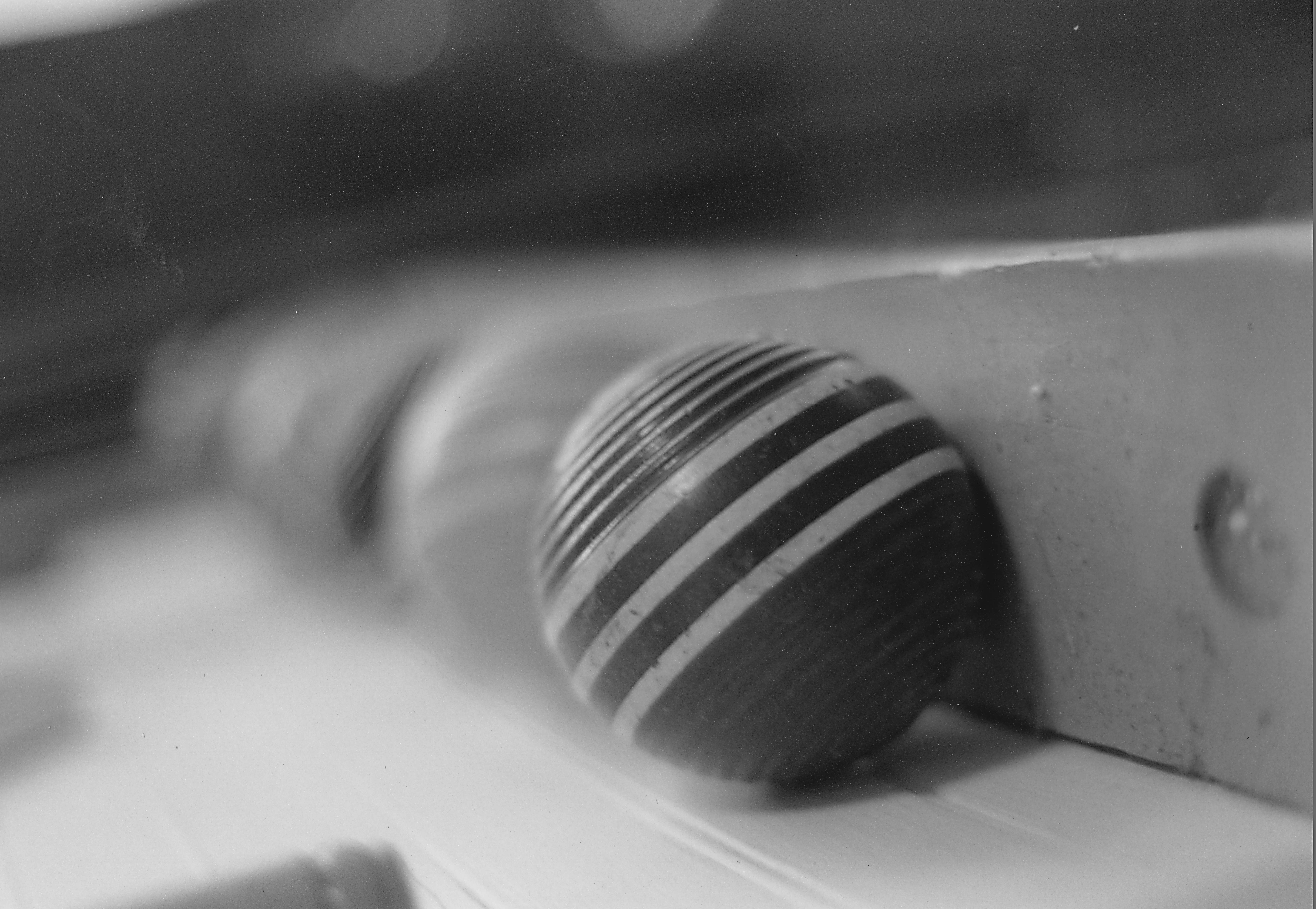
Wooden Croquet Balls

Wooden Croquet Balls

The OM-1 kit I bought came with a “fast fifty” – a 50mm 1.4 lens. Sometimes I forget how shallow DOF can be when shooting a 35mm camera. My area of focus here is about 2 inches deep. I love the ability to focus on just the front of the croquet ball. In my digital world DOF is more isolating – there is less ability to make something just trail off into the bokeh. I also thought that a shot of something with such distinctive colors was fun to explore in black and white.

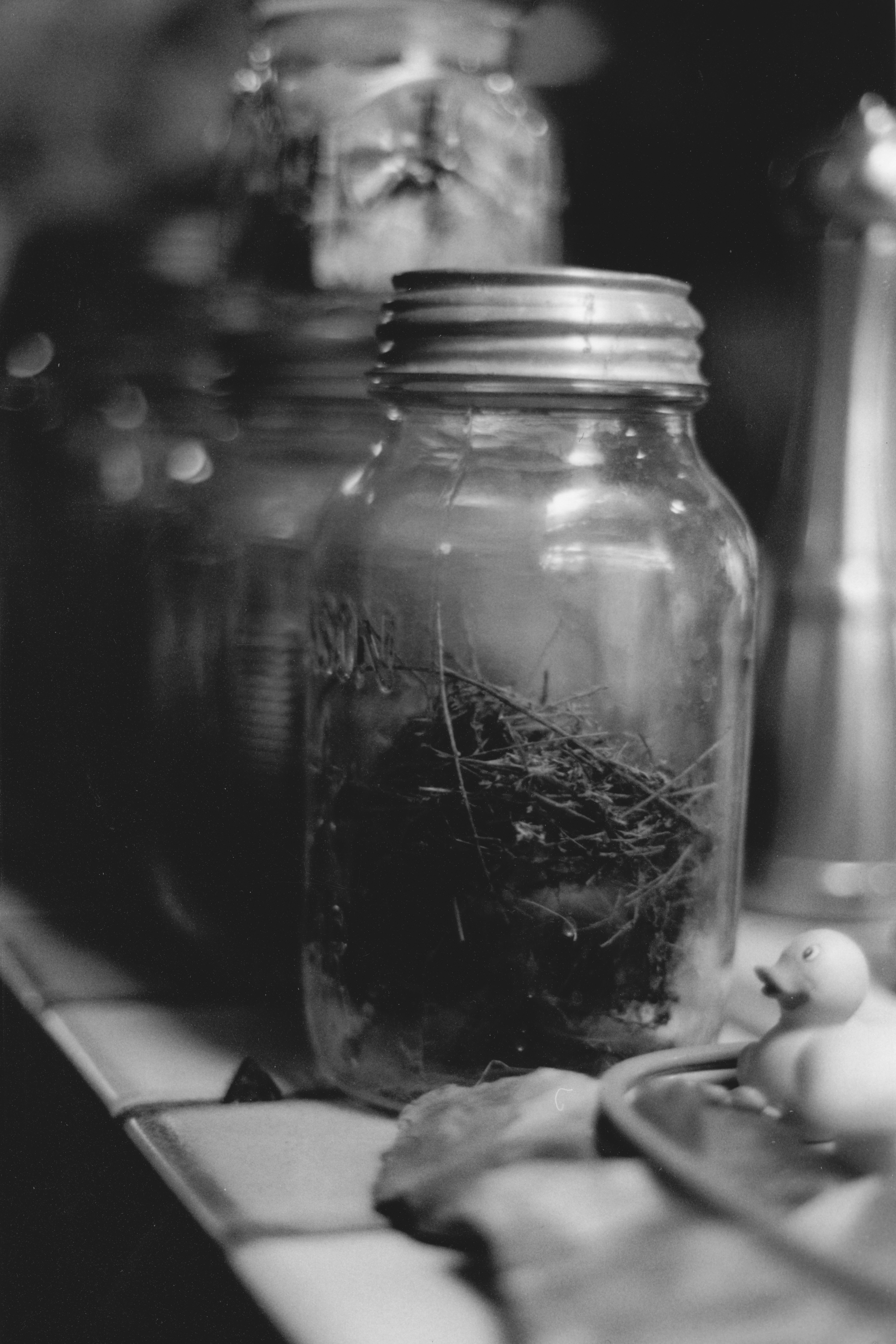
Mason Jars Full of Bird Nests

Mason Jars Full of Bird Nests

This last shot is my favorite – I shot it 5 times, each time placing my focus in a slightly different spot – risky when you have so few shots to work with. On this roll I did that with most of these subjects – working on getting one good shot rather than a wide variety of subjects. I think this will help me dial in my technique. This shot is taken on my kitchen counter – I have a skylight above that creates the light reflections on the upper right side of the jar. This is a row of different sized mason jars containing bird nests. In the foreground there are stone artifacts and arrowheads that I have picked up in my lawn over the years. The rubber ducky soap dish is the only element that pulls me back into this century when I look at it. I am pleased at how the reflections in the jars behind the first one become spheres of light. I like the detail in the nest and all the tones of grey in the whole thing. It’s not perfect, but it was the shot closest to what I imagined when I shot it.
I think I will continue with the OM-1 for my next couple of rolls. I like this camera and I want to hone my skills rather than switch around. I’m a couple of months behind – I need to start ordering film online – it’s just not available locally, but I am going to get some 100 speed and really get the hang of shooting in brighter light with it this summer.

The Empire Builder

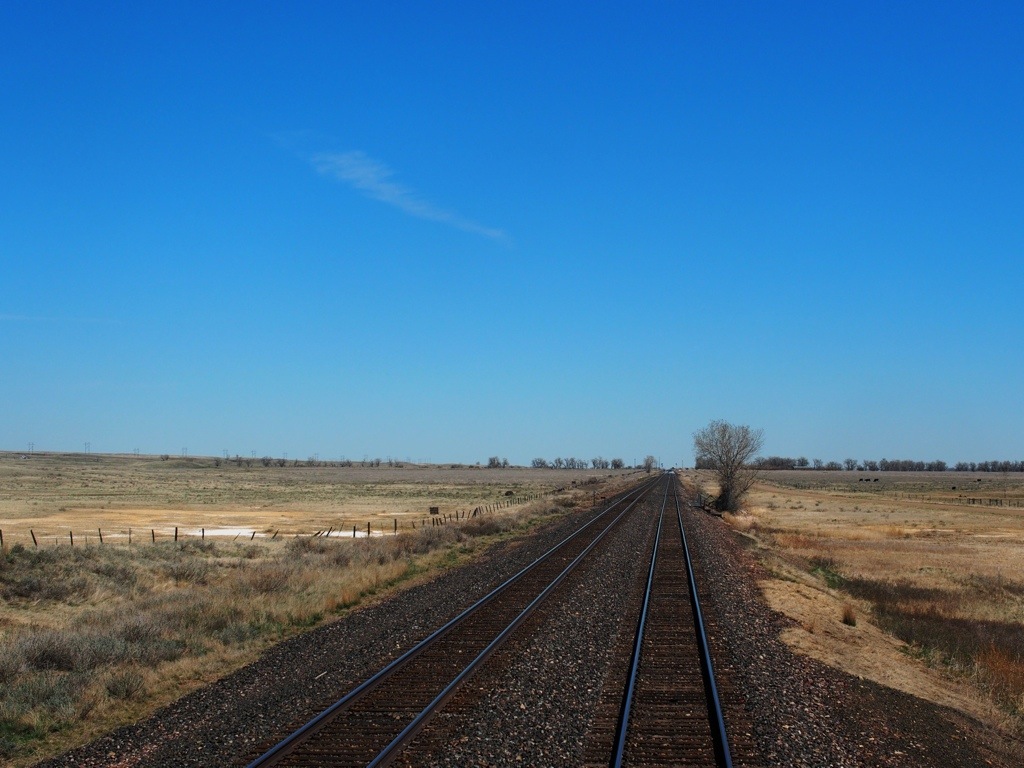
The Empire Builder is Amtrak’s most popular cross-country route. It crosses 8 states and takes two full days. I have been wanting to ride it ever since my first train trip last year. We met a group from Texas who raved about the scenery and the wildlife. I immediately put it on my bucket list.
My sister Karen and I boarded in Chicago – you can see more of our tour of Union Station in Chicago here. Traveling by train is a totally different experience. Boarding is low stress. In Chicago they have a lounge for sleeping car passengers, so you can drop your bags and do a bit of sightseeing before you board. You show up 30 minutes early and the conductor scans your ticket in the lounge. You walk out onto the platform and a car attendant helps you settle in. No long lines, no TSA, no stress.

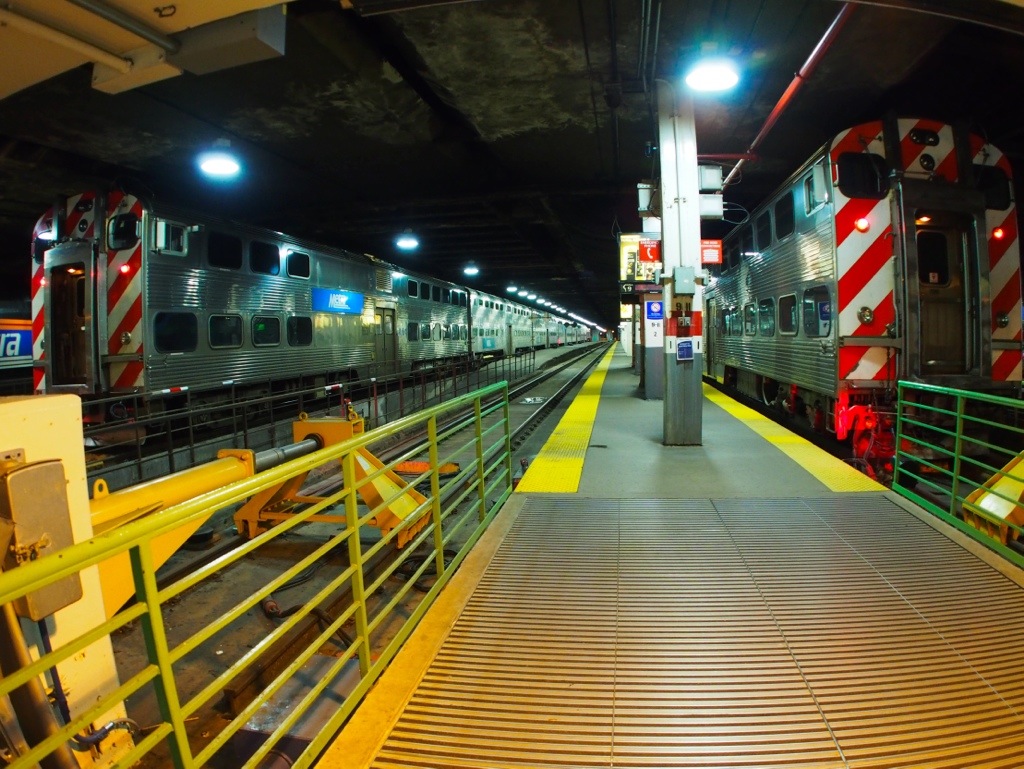
20130518-170941.jpgThis is not our train, the diagonal stripes indicate it’s a regional or commuter train. With two large suitcases in tow I just couldn’t get a shot of ours. The boarding process is quick – maybe 15 minutes total – and your adventure begins.

20130518-172502.jpgThis is Charles – the consummate host. he was our Car Attendant, but before the journey was over he would become a friend. Our first trip featured a Car Attendant, Pete – who was thorough but detached. He carefully managed all the rules for us and always had a thick notepad in hand. He was helpful, but not personal. Charles was nothing like Pete. He had filled an empty sleeper birth with snacks, magazines, blankets, and even chilled champagne. A frequent traveler on this line saw Charles and begged him to get his berth changed to ride in his car – he assured us we had lucked out.
Charles was a single dad from Jamaica. he was raised in Detroit and had recently moved home to help care for his mother. He had been with Amtrak for over 40 years – he knew everything about the kitchens, the car births, the stops – he clearly loved train travel and his enthusiasm made our trip even more special.

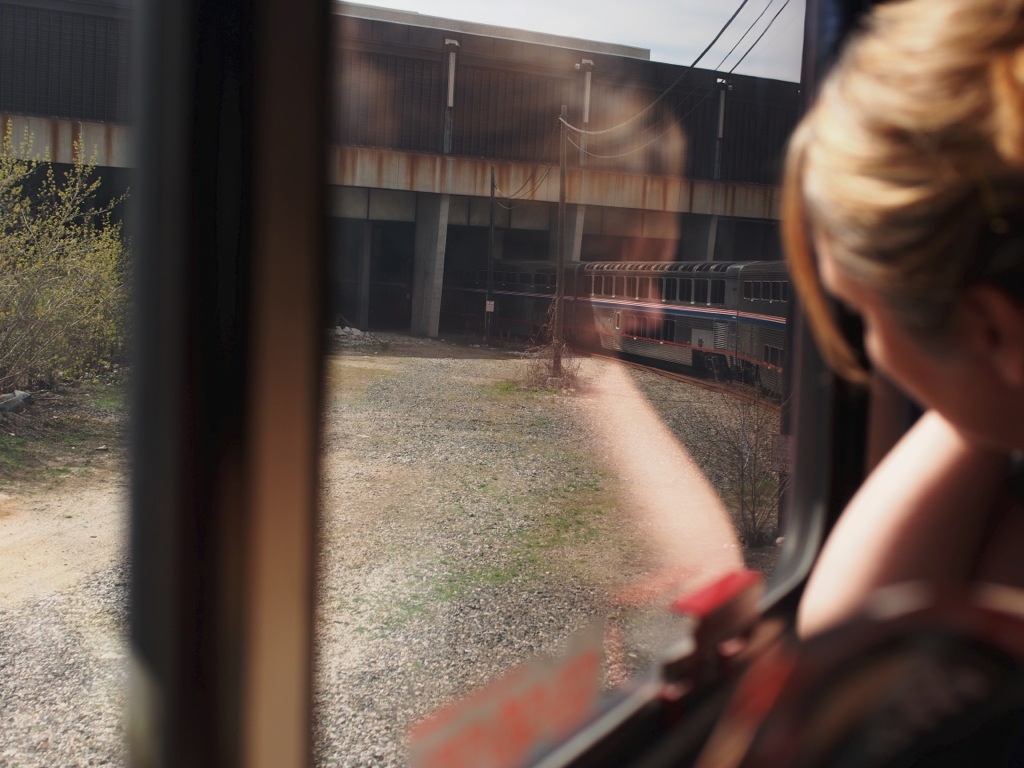
20130518-171105.jpgAs we settled into out Roomette we watched the grit of Chicago fade into the distance.

20130518-171141.jpgEvery 2-4 hours during the daylight the train stops for 10 minutes for a “smoke break”. The Empire Builder only makes a single service stop, and that is late at night when passengers are sleeping. There is no time along the route to get off and go into a station, there is also no warning that the train is leaving. You stay close so that you can see your Car Attendant shepherding his charges back aboard. Karen and I collect railroad nails that are scattered along the tracks. We tried to get some in each state. This was Milwaukee – Charles noticed this and made sure that we had nails from every stop, even if we were asleep. Eventually we had so many that we secretly dumped the extras somewhere in western Montana when Charles was otherwise occupied.

20130518-171156.jpgEven in the Milwaukee switchyard opportunities for macro shots arise.

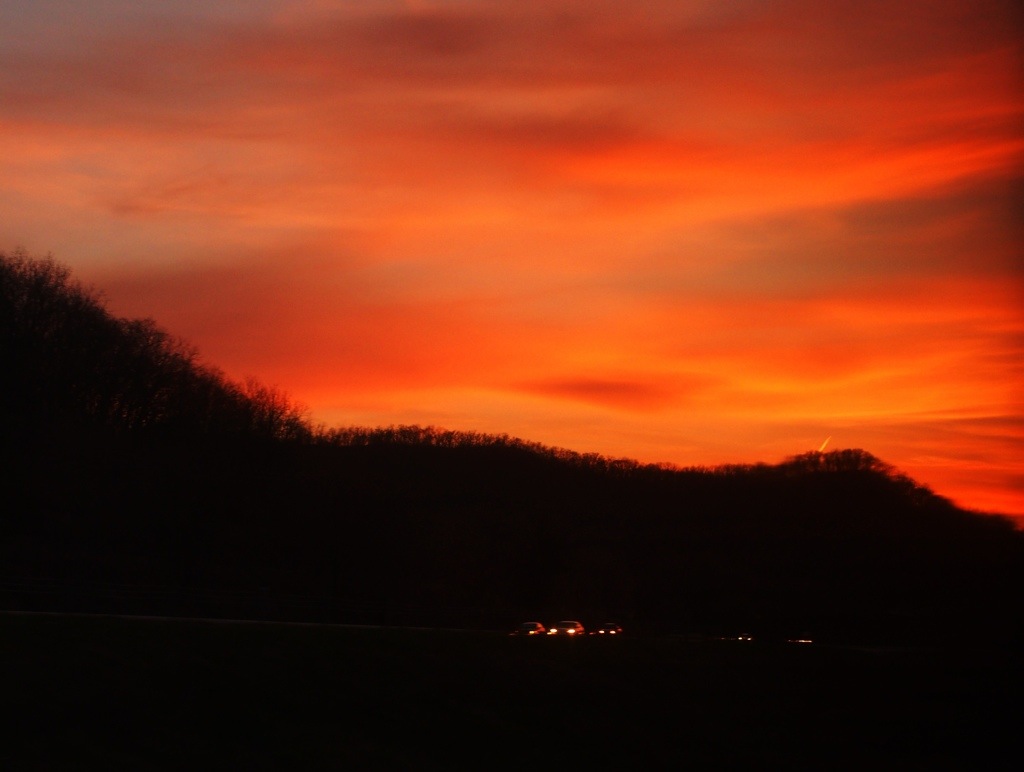
20130518-171226.jpgOur first evening started with steaks in the dining car and ended with this sunset as we crossed the mighty Mississippi. We followed the river for the next 450 miles.

20130518-171248.jpgCharles popped in to tell us that he had made up a larger room for us, since the larger cars were empty on this trip, he set us up in a large sleeping car with a larger bed and our own bathroom. Actually, he allowed us to leave out things in the Roomette – essentially we had two rooms at this point, one on each side of the train. This shot was the last light as we crossed into Minnesota.

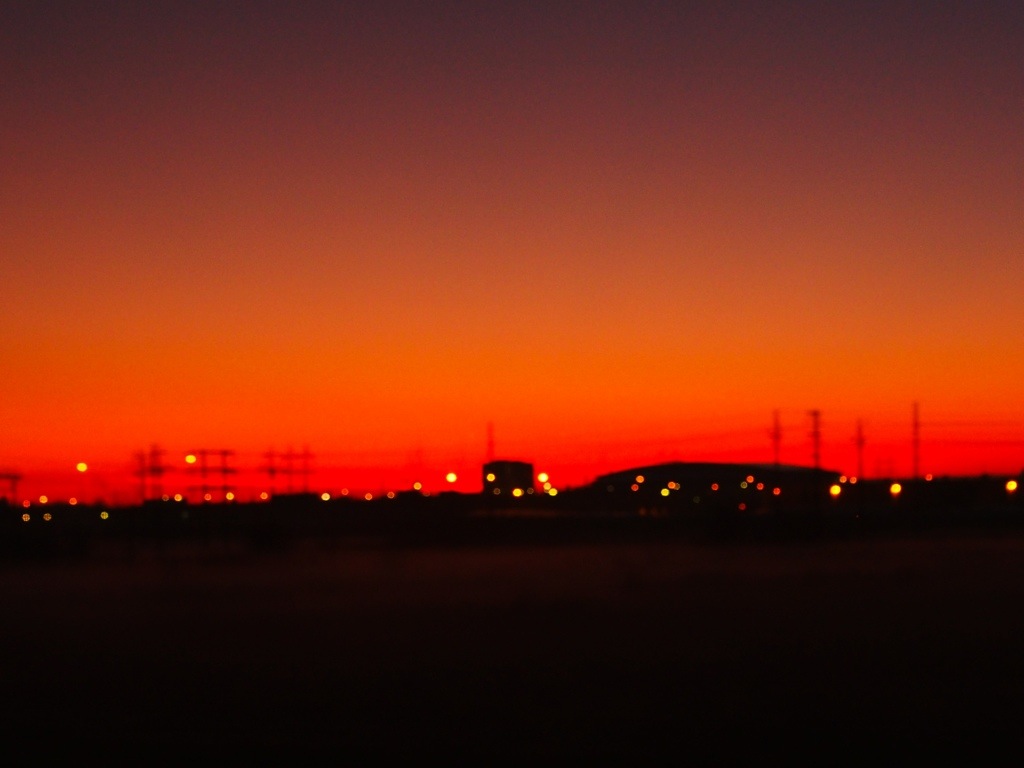
20130518-171419.jpgKaren took the top bunk. I slept on the couch that converted into a bed. Since the window was on my level I spotted the first light somewhere west of Fargo, North Dakota. I took several shots as the sun reappeared, but even though this one has no focus I loved the color and light.

20130518-171504.jpgKaren refers to the windows as movies. We awoke to watch a movie called North Dakota. Not exactly an action film, but the melting snow and ponds will stick in my memory as a picture of the state for me.

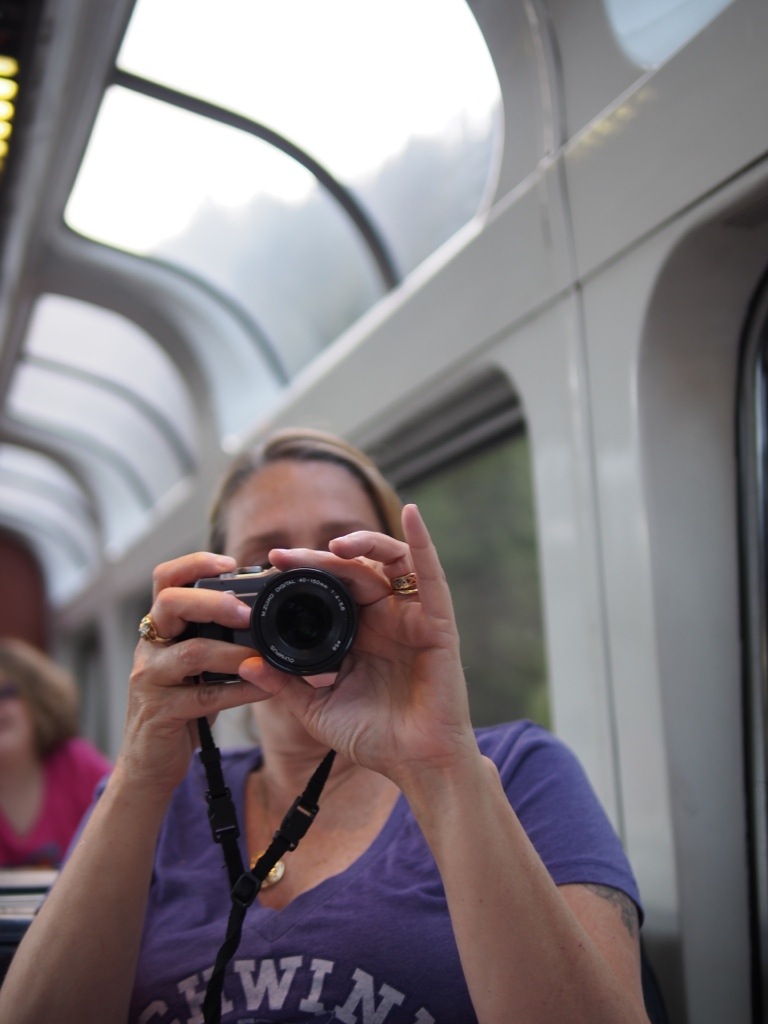
20130518-171513.jpgAfter breakfast we took up residence in the Observation Car – the “movie” screens are larger in here. Karen and I started the day trying to figure out how to shoot throughout the windows and get as few reflections as possible.

20130518-171532.jpgThese doors were a constant sight for us. We were in the last car on the train. The Empire Builder terminates in two cities – Seattle and Portland. The train is set up so that the front half contains the Seattle coach and sleeper passengers as well as the dining car. The back half contains the observation car and the coach and sleeper cars bound for Portland. In Spokane the train is split and a new engine added to the back half. Having the observation car and a cold breakfast was definitely the better option since we railed in along the amazing Columbia Gorge.

20130518-171637.jpgBeing in the very last car also allowed us to look out the back window from time to time. This was taken during a smoke break in Eastern Montana.

20130518-171709.jpgIn remote stops the stations are simple small buildings and the grounds are filled with parts that could be needed for repairs on this long journey. So many of the passengers on the Empire Builder are traveling from city to city along the route – it’s economical and easy to get from Fargo to Haver, Montana. The Builder is a lifeline between these small cities, and we met many passengers who use it frequently.

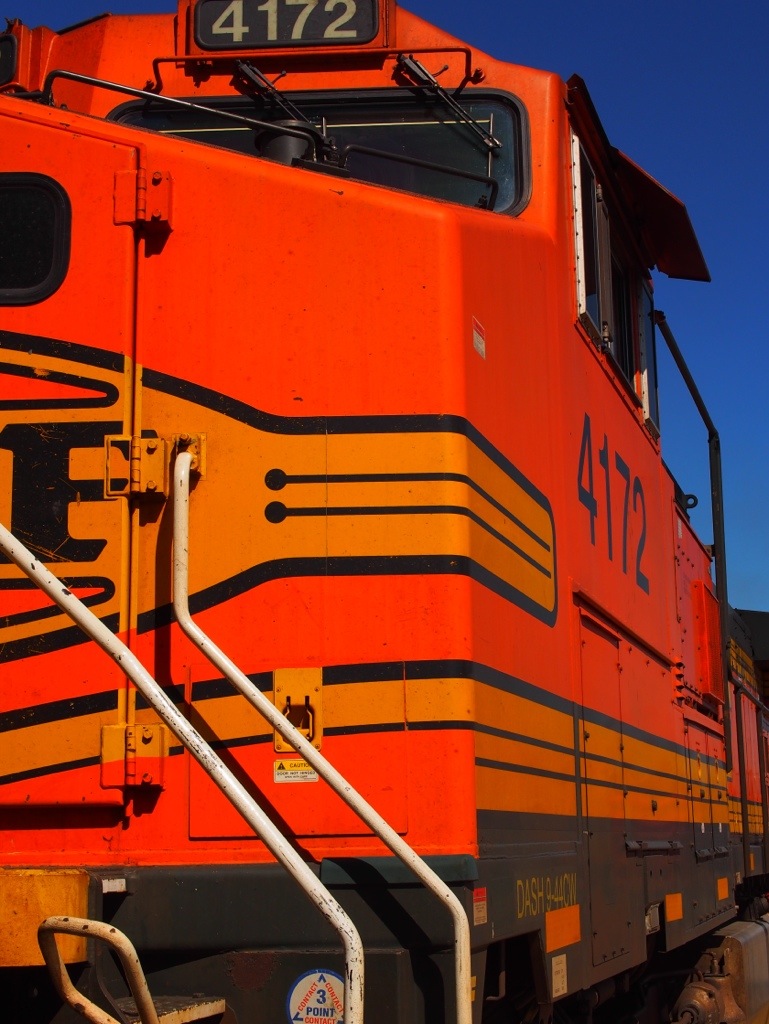
20130518-171758.jpgOf course, it’s hard to photograph a train you are on, especially knowing that you could be left behind if you didn’t make it back on in time, so I would occasionally shoot trains in the station – this is a Burlington Northern engine. I’m partial to Union Pacific trains, but that orange on the open plains was pretty eye-catching.

20130518-171825.jpgDay 2 in the Observation Car was amazing. Karen gets her gear in order. Today we will cross the Rockies, Glacier National Park, and the Continental Divide. The “movie” for today – Montana!

20130518-172126.jpg There was a good sized group of Amish travelers on the Builder. I spoke with one of the younger men at the snack bar below deck – he was so excited to see the Rockies for the first time. They brought their own food and spent lots of time with us in the Observation Car. At one point a young man from their group connected with a hipster who had been sitting across from them staring. He urged the hipster to come sit down and they had a nice long talk. At first the hipster spoke down to the young Amish man – assuming he had little knowledge of the world – their conversation ended with one of the most eloquent and thoughtful presentations of the Gospel I have ever heard. Both men left respecting each other. On a train there is time to connect like that.

20130518-172358.jpgA park Ranger boarded right before we entered Glacier National Park – he even brought a Parks Passport Stamp with him – score! The sun was very bright and created glare on the windows, so good shots were not easy to come by. I have read the weather has to be a perfect match of sun and clouds with no fog to get really great images. This one was my best. Sometimes the image just needs to live in your mind, and on this trip so many did. We saw more elk and deer than we could count towards sunset. Waterfalls, mountains, lakes, stunning beauty lay at every turn.

At the stop before the park 4 passengers assumed the train would wait while they went inside the station to buy souvenirs, they were wrong. They would get to experience Glacier tomorrow with strangers as they headed towards a reunion with their families. There was a grumpy man in our sleeping car whose wife was one of the four. He blamed Amtrak, Charles, and everyone except himself or his wife. By the time we left the park she had been located and put up for the night. They were traveling without a cell phone (crazy) and Amtrak managed to get messages back and forth to them at each station. Honestly, I believe that woman probably had a more peaceful trip the next day.

20130518-172423.jpgAs the crowds thinned after we left the park this young girl remained looking for someone to play cards with. She travels on the Builder a couple of times a month with her grandmother who cannot make her way between cars. She has the run of the train. When this gentleman tried to teach her a card game she paid no attention to the rules and floated off after a few minutes to lite in another booth, a butterfly that catches your attention for just a moment and moves on. She is growing up on the Builder.

20130518-172441.jpgOur last smoke stop on day two was unusually long. Amtrak officials were getting word to loved ones about the missing 4 and we got to spend sometime looking for Montana nails as the sun began to set.

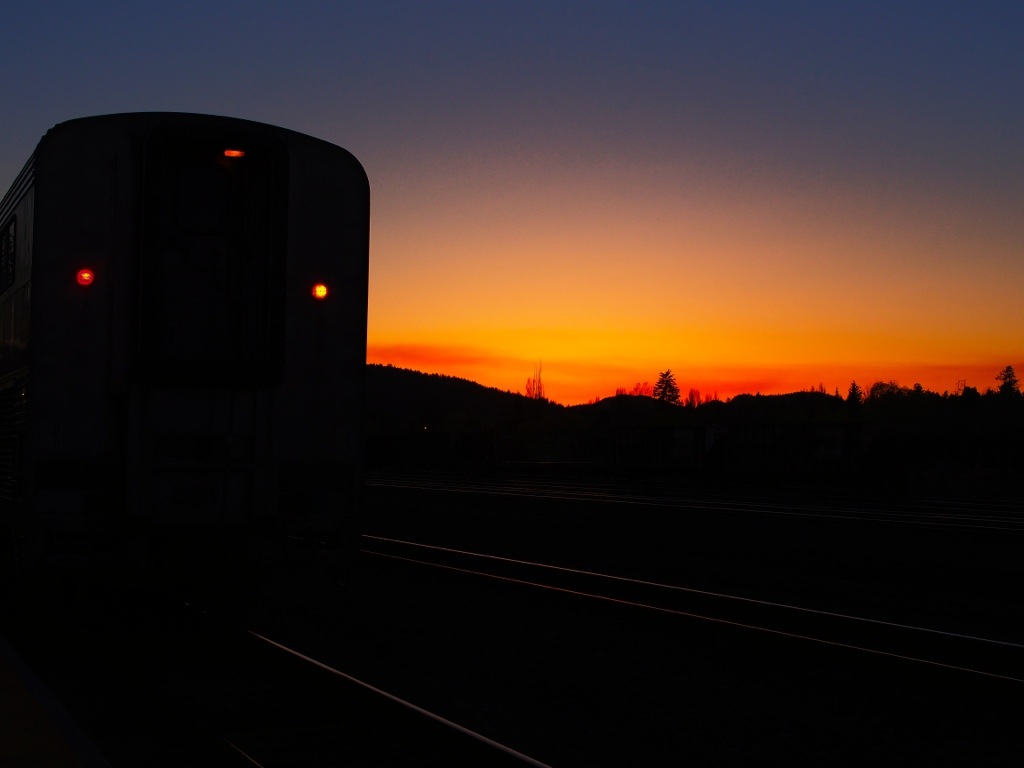
20130518-172608.jpgSunset over our sleeper car.

20130518-172630.jpgSometimes you can get exceptional color by shooting the sky in the opposite direction of the sunset. All in all this last stop was perfectly timed.

In the morning we would awaken on a shorter train moving along the Columbia Gorge. The Builder follows the route that Lewis and Clark took towards the sea – what this land must have looked like to them – majestic, wild, diverse – seeing it a couple hundred years later it still has the power to inspire.

I had mentioned to Charles that the next day would be Karen’s birthday. He had been talking to her about birds, Karen has a business caring for exotic birds,  and he came to call her the “bird whisperer”. I had imagined candles on a muffin or something to start off her birthday. Charles outdid himself – in the morning he delivered a sweet card, a blown glass bird (does he pack this stuff in his luggage just in case?), and a bottle of Washington wine – above and beyond!

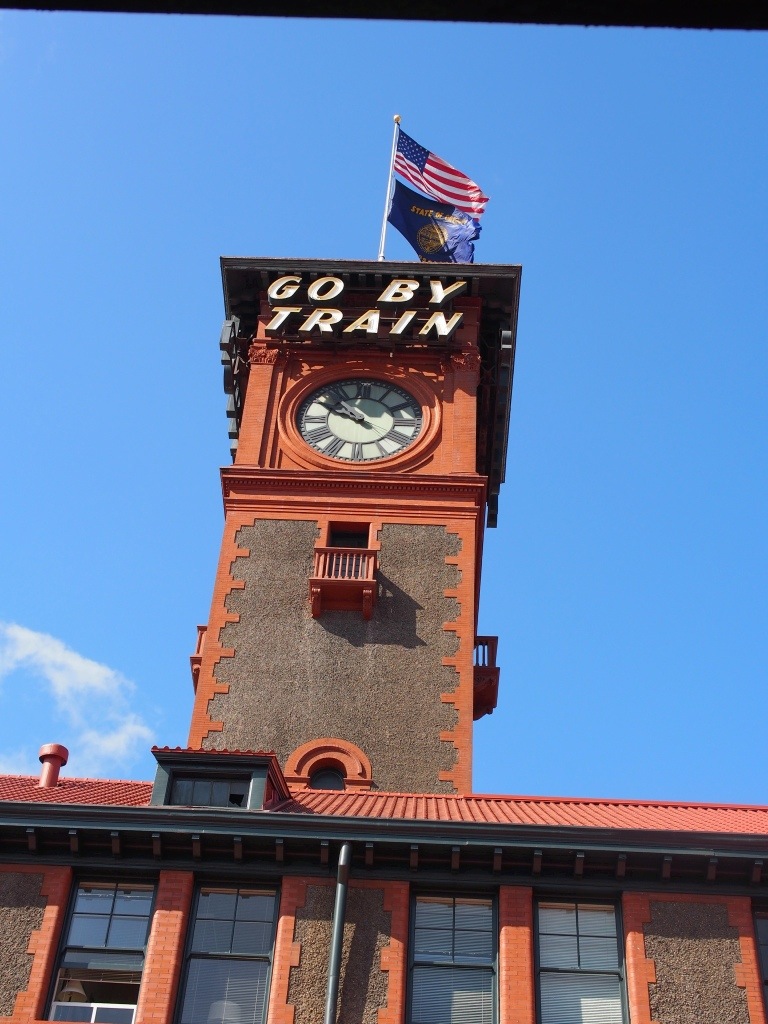
20130519-111342.jpgPortland Union Station – another jewel, but with bags in tow I chose to leave all but one of those images in my heart instead of my camera. Go by Train, it really is the best way to see and experience America.

All Aboard! Union Station Chicago

Chicago was the starting point for a cross-country adventure that my sister just returned from. We both have a fascination with trains and last year we took our first cross-country trip on the California Zephyr from San Francisco to the halfway point in Denver. This year we decided to do the most popular route all the way from start to finish. The Empire Builder begins in Chicago and ends in either Seattle or Portland. I was excited to start a voyage like this in a real classic station. Union Station in Chicago, is one of the grandest still in operation.

20130516-111540.jpgWork began on this massive 10 city block complex in 1913 and it was finally opened in 1925. It’s exterior is massive, but the subtle detailing hints at what you will find inside.

20130516-113124.jpgThe door handles on the entries have steam era train wheels as a part of the motif. Union Station is all about the details.

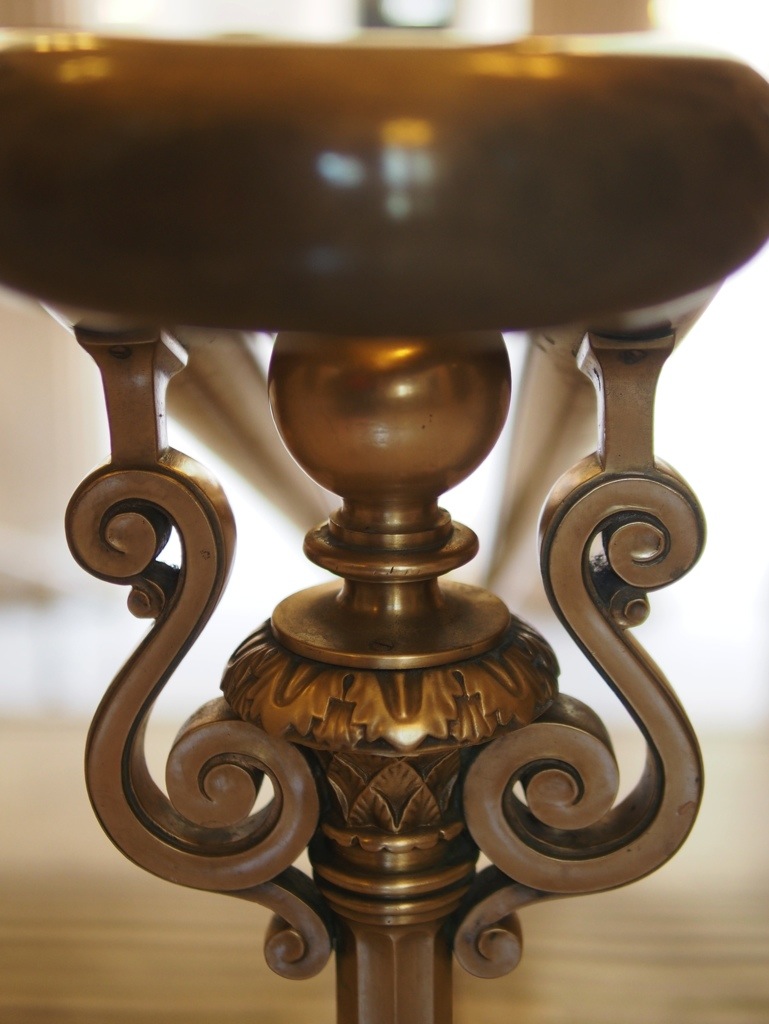
20130516-113350.jpgThese brass flowers adorn the lamp posts on the main floor – each one is a piece of art.

20130516-113408.jpgElegant brass handrails are worn smooth with almost a century’s use. The ornate supports retain their fine detail.

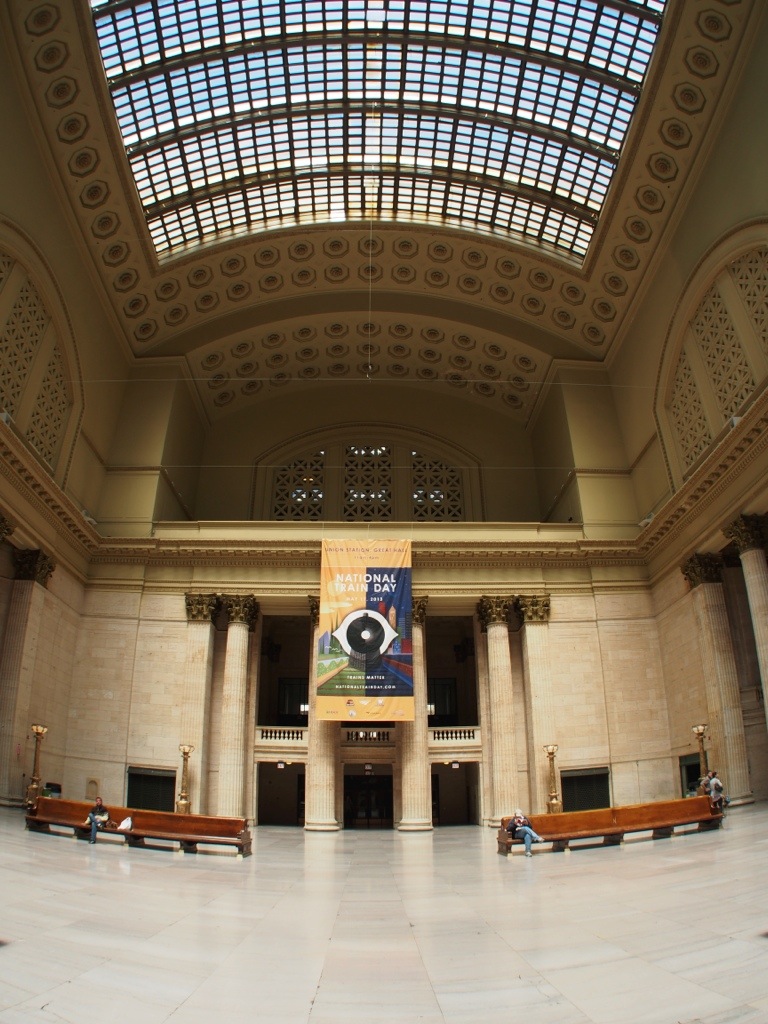
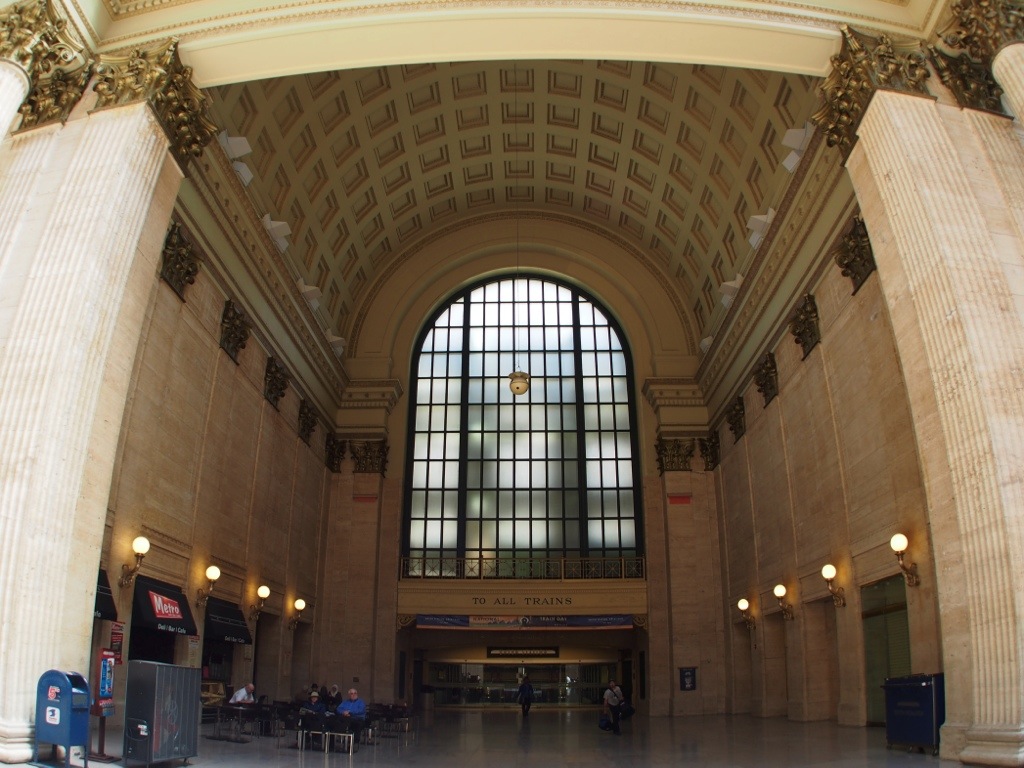
20130516-113424.jpgMassive Corinthian marble columns support the Grand Hall’s vaulted ceilings.

20130516-113447.jpgMarble Stairs worn by millions of footsteps can be treacherous today.

20130516-113521.jpgThe vaulted glass ceiling floods the floor of the Hall with natural light.

20130516-113544.jpgThis is the massive staircase that you enter onto from the street level.

20130516-113559.jpgTo All Trains – from the Great Hall floor your are now below street level and can enter the gates for boarding.

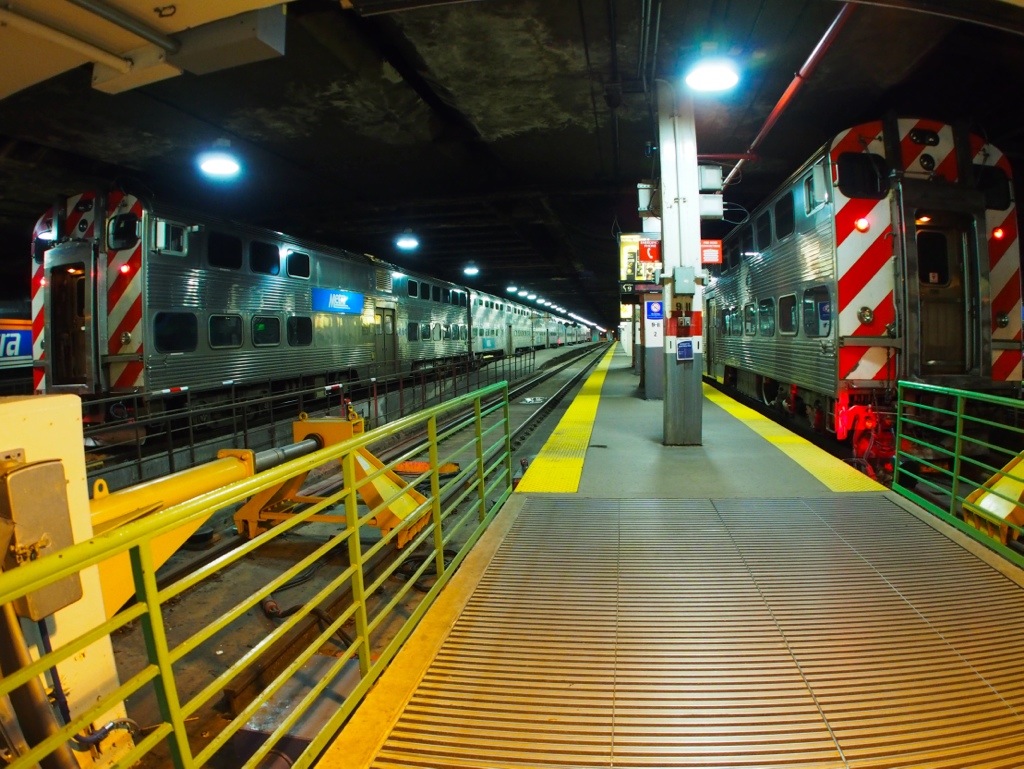
20130516-113650.jpgAs grand as the Grand Hall is, it is just a facade. You get on the train here, below grade on a dark platform.

Even if the platform lacks the impressiveness of the station, boarding here is a real experience. There is a special lounge for sleeping car passengers and boarding is almost stress free, especially compared to air travel. A station like this prepares you for the grand voyage ahead filled with purple mountain majesties and amber waves of grain. A pretty good way to start the journey of a lifetime.

Old School Architectural Cool

What do you do if you have a whole day to explore Chicago? The Sears Tower? See a Broadway show in the Theater District? Eat a real Chicago pizza? Visit a real Chicago Firehouse? Well, recently my sister and I managed to do all those things, but we also managed to see a side of Chicago that was a bit off the beaten path.

I have always owned homes built in the teens and twenties, so looking for old fixtures and knobs is a way of life for me and my never-ending restoration projects. When Karen suggested we try to find an architectural salvage, I was 100% on board. Salvage in a city known for its architecture like Chicago is like gold to those of us who love and live in Arts & Crafts era bungalows. We found a place that was accessible from the L on the Brown Line – Architectural Artifacts.

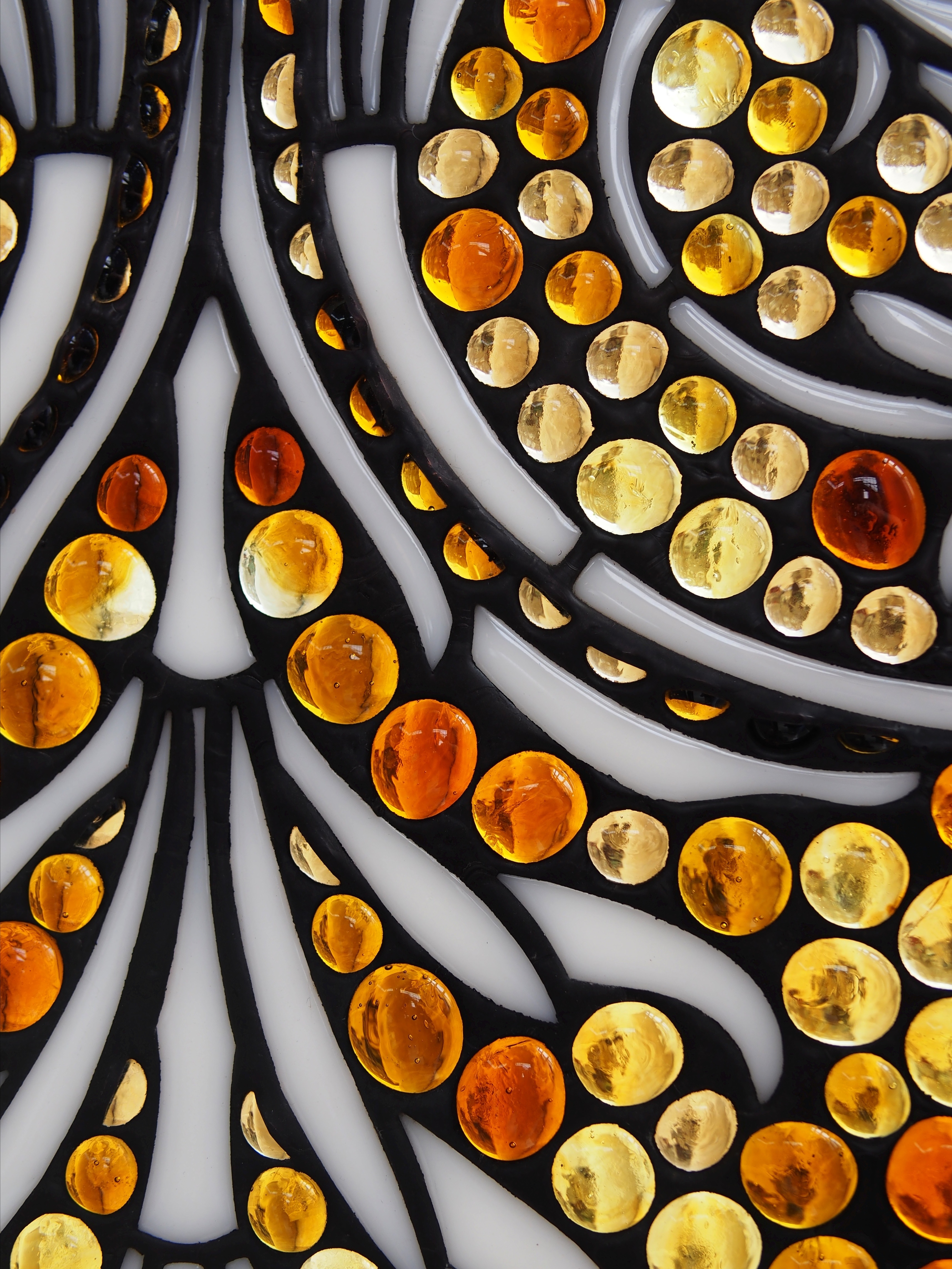
AA is a bit more like a museum than a salvage store, it actually hosts events like weddings on the main floor. Inside you might find a gargoyle next to a neon sign, wonders at every turn. Most of it was out of my price range, but it was an interesting way to spend a couple of hours.

20130514-163217.jpgHinges and hardware

20130514-163731.jpgGobs of knobs

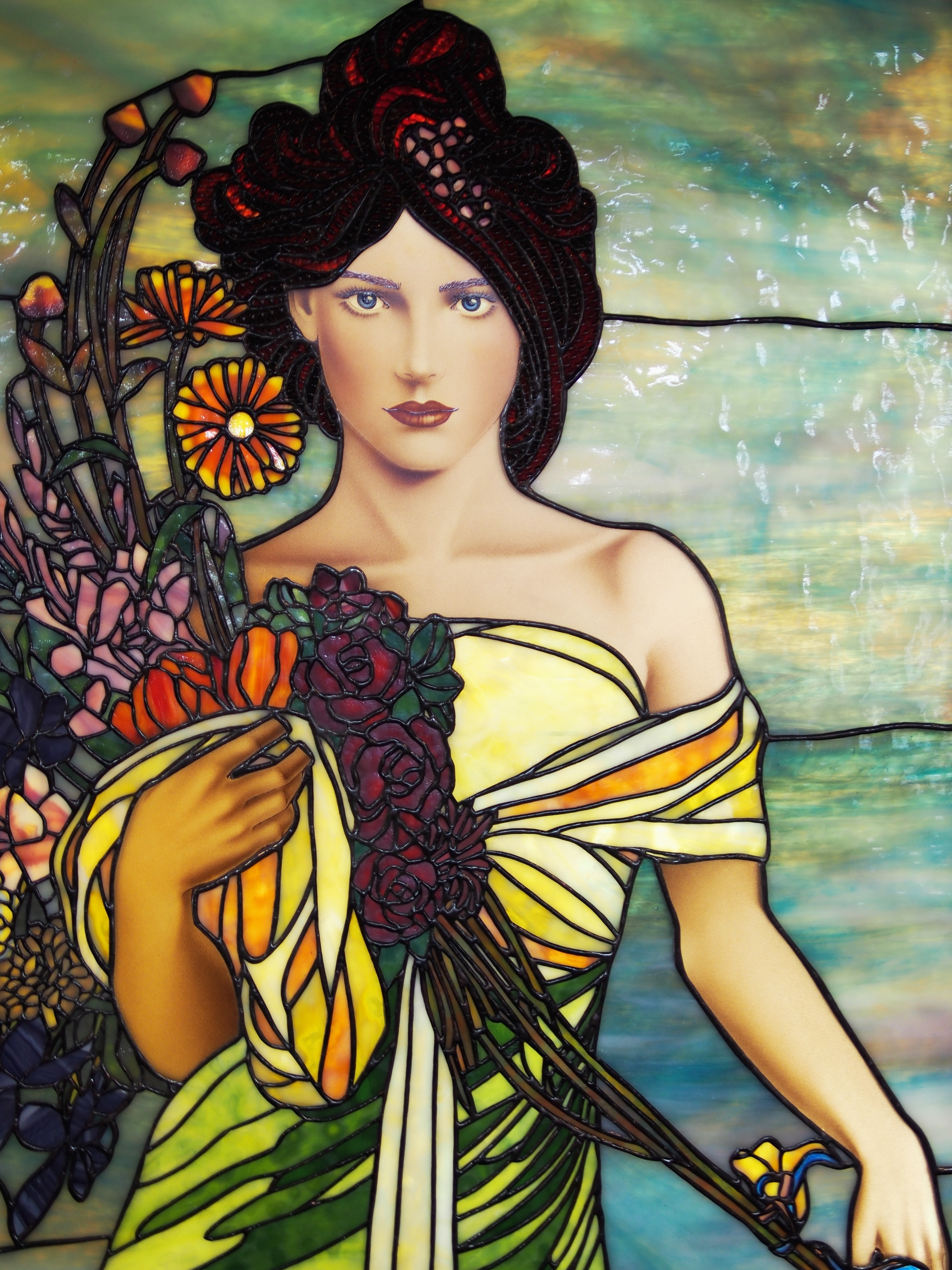
20130514-163753.jpgMy reflection multiplied in stained glass

20130514-163816.jpgA sting of ideas

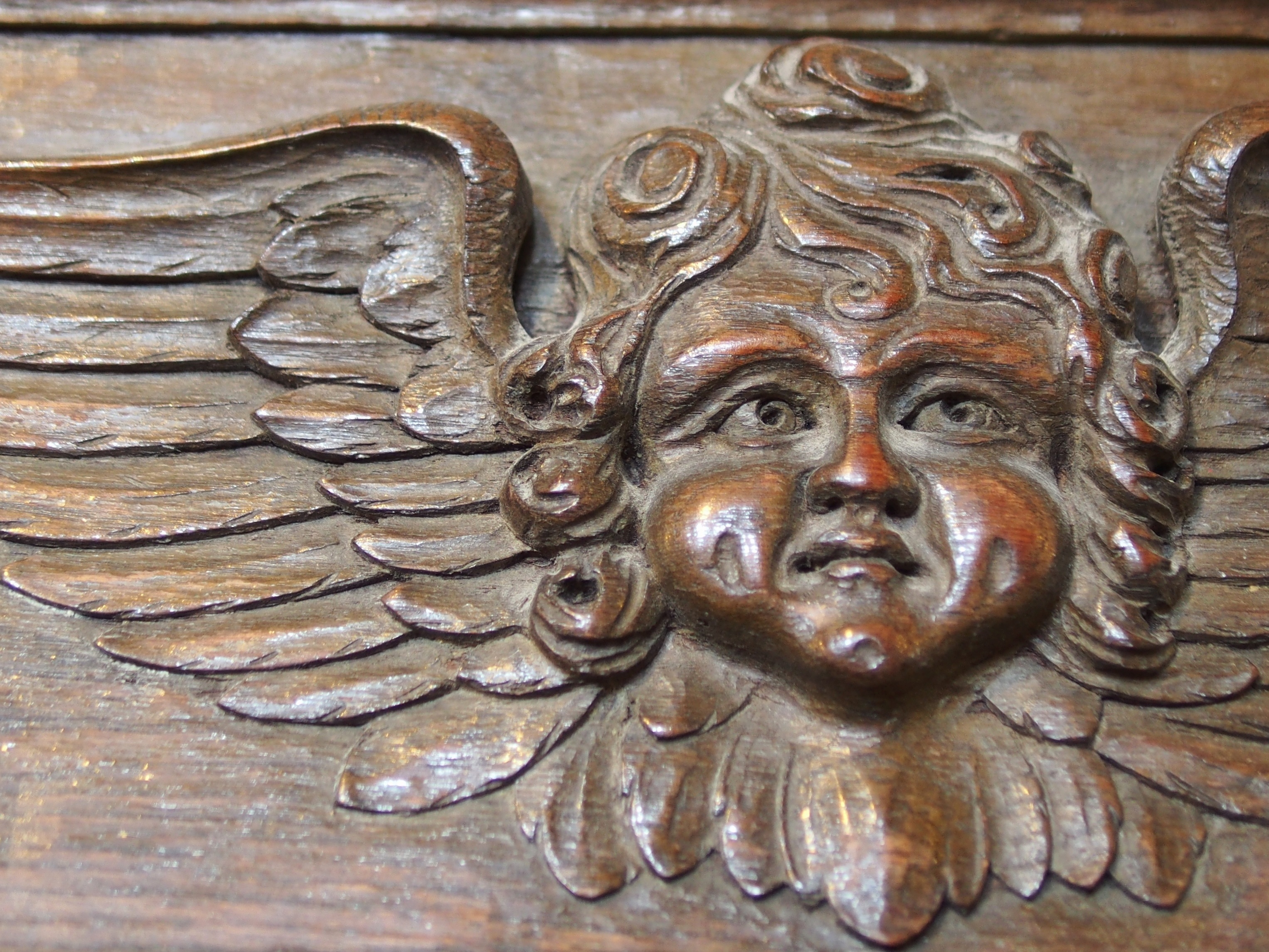
20130514-163834.jpgThe face of an angel

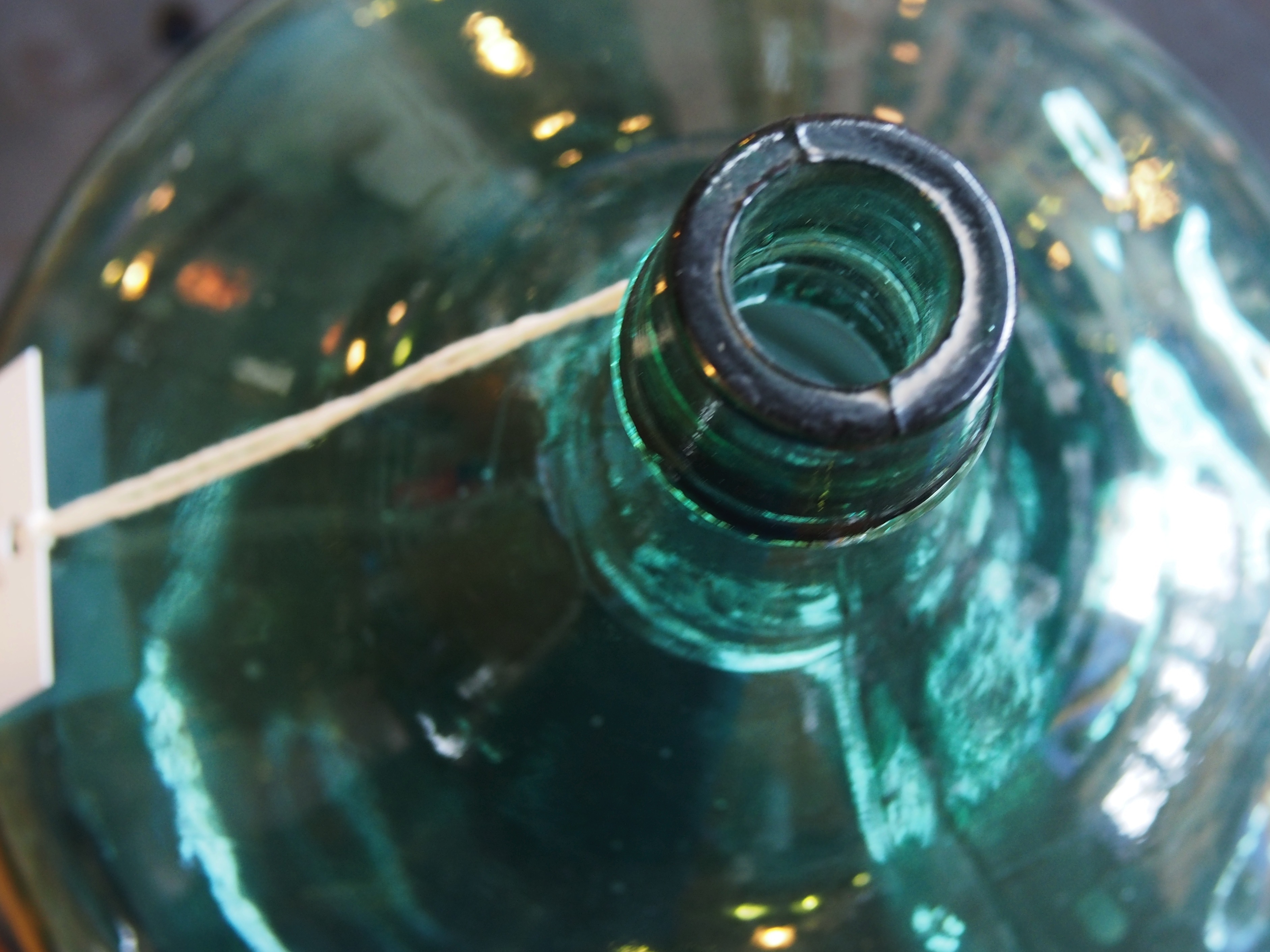
20130514-163853.jpgBottle neck

20130514-163920.jpgSole purpose

20130514-164003.jpgArts & Letters

20130514-164051.jpgQuarter sawn

20130514-164119.jpgA clock bigger than me

20130514-164148.jpgOrange leather

20130514-164212.jpgThe corner pocket

20130514-170421.jpgA nice piece of glass

20130514-211801.jpgThe Shroud of Zebra

20130514-211846.jpgUplit

20130514-211910.jpgIndustrial orange

20130514-211932.jpgThe Knights Who Say “Nee”

20130514-212006.jpgRust

20130514-212024.jpgThe woman behind the Fruity Chicken

Chicago Curves

I have been to Chicago dozens of times. I often fly into Midway and get a car to drive to Grand Rapids for work. I’ve been to meetings downtown occasionally. What I had never done was explore this city without a work agenda. Recently I got the chance to do just that.

Chicago is a city of “broad shoulders” – it’s very angular, but every now and then it throws you a curve. With its sweeping heights and narrow vistas, it was the perfect opportunity to play with my fisheye and to do some night shooting with my fast 50.

20130513-163829.jpg
Looking down LaSalle canyon at the Chicago Board of Trade Building – a 1930’s icon.

20130513-163946.jpg
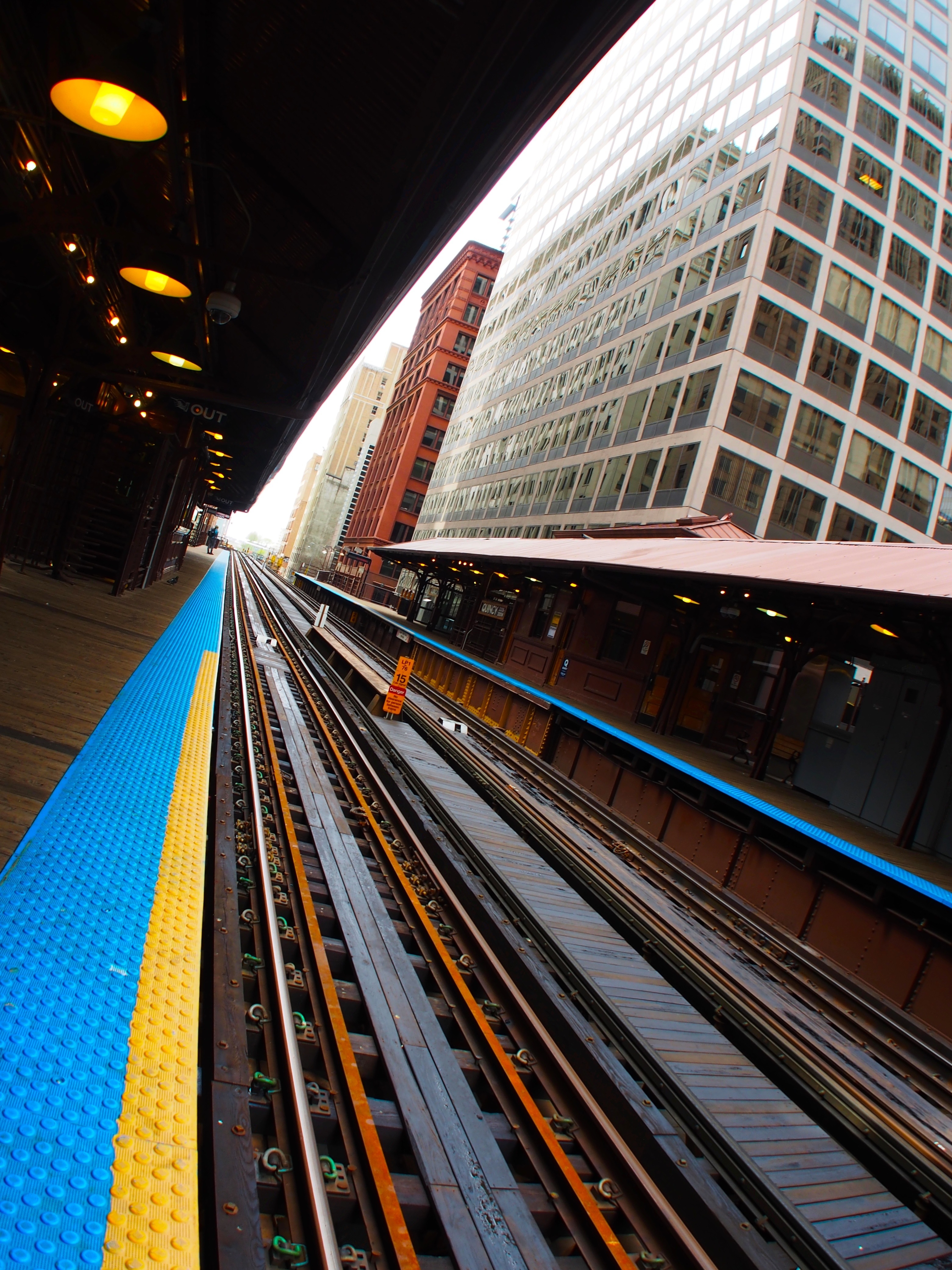
A fisheye view from under the canopy of the L.

20130513-163959.jpg
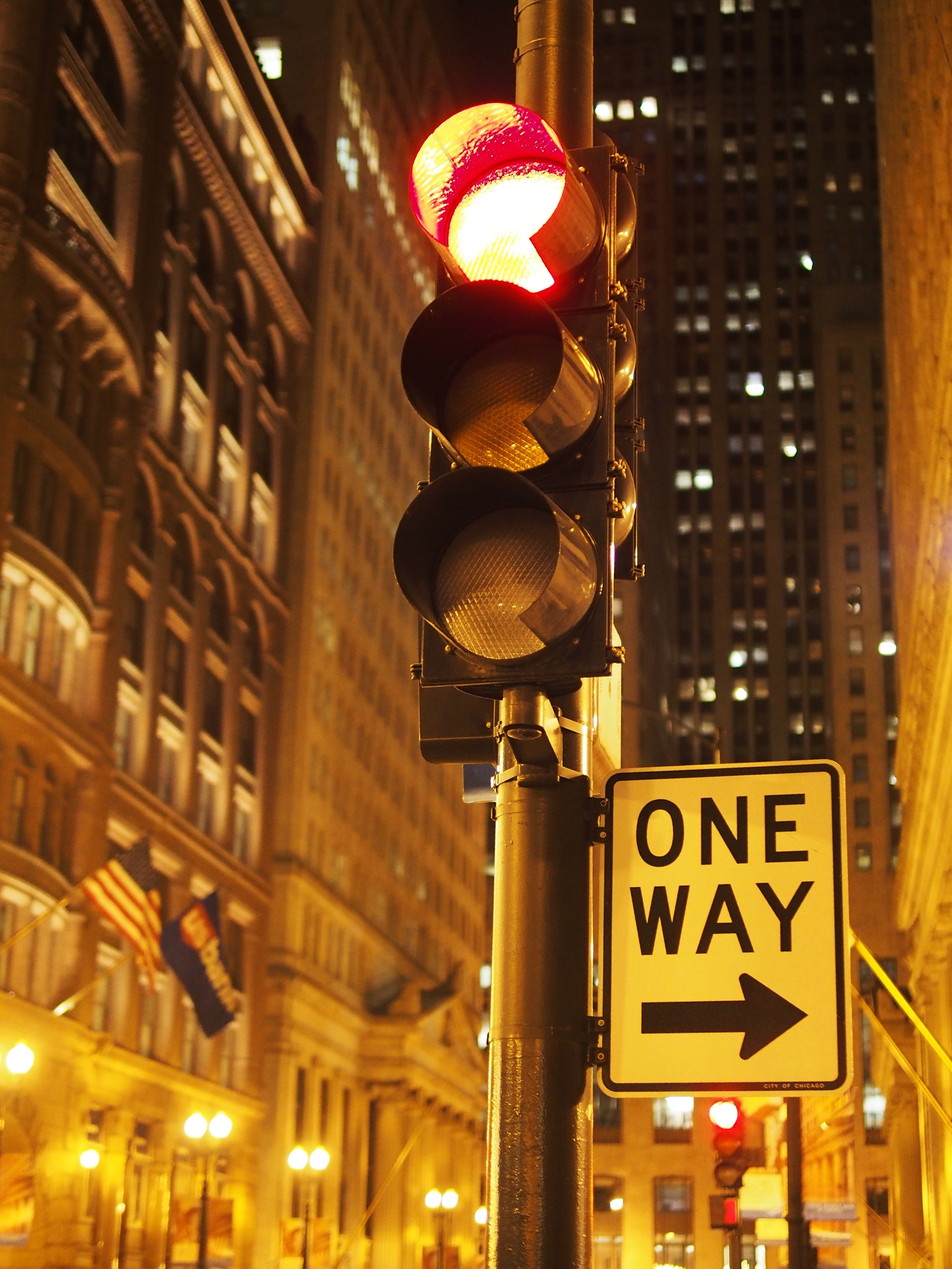
One Way up LaSalle canyon.

20130513-164026.jpg
The Rookery Building – Chicago’s oldest standing high rise, complete with a Frank Lloyd Wright designed lobby.

20130513-164110.jpg
Sky

20130513-164144.jpg
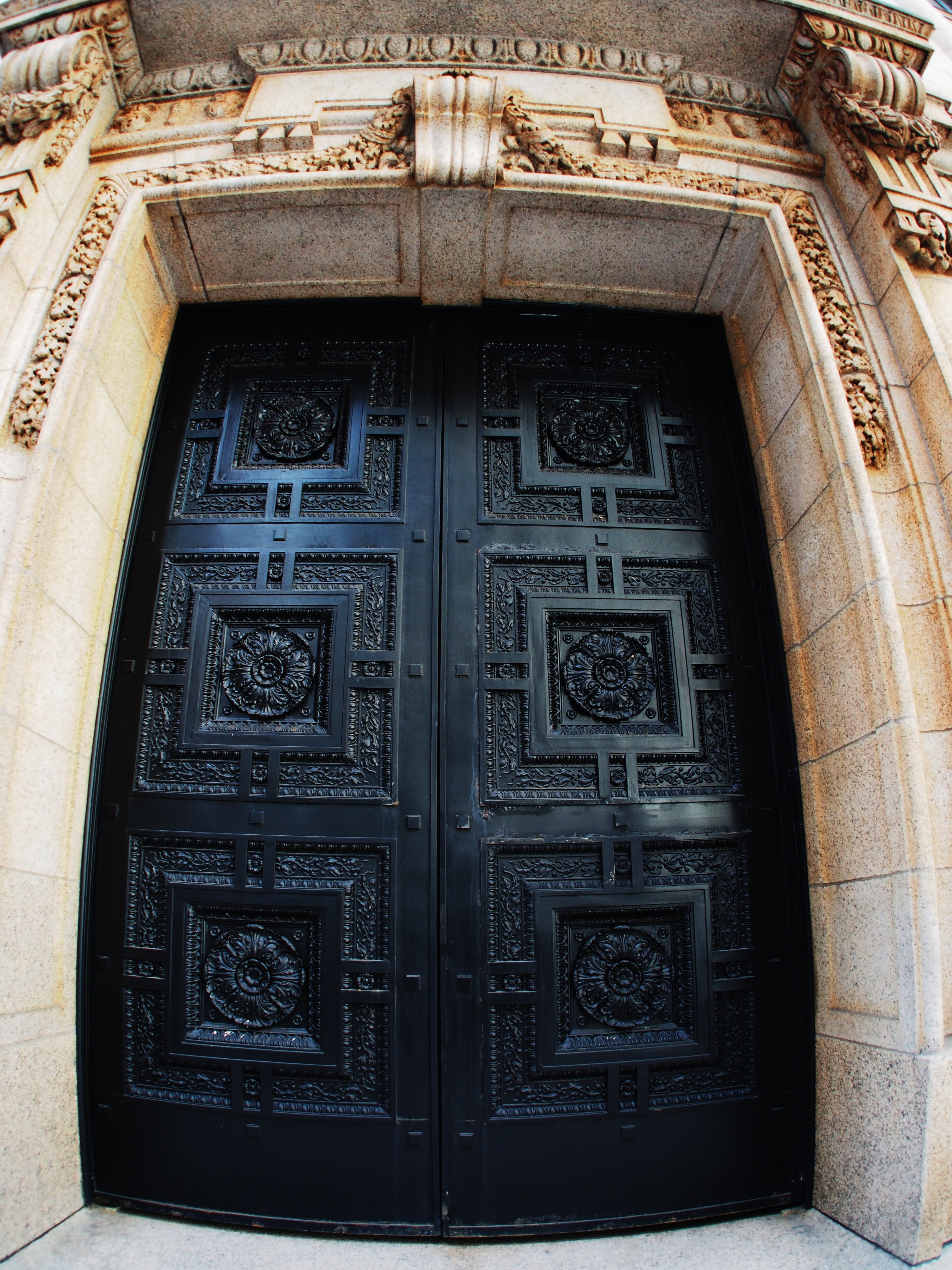
Bronze doors on the Northern Trust Building – circa 1905

20130513-164329.jpg
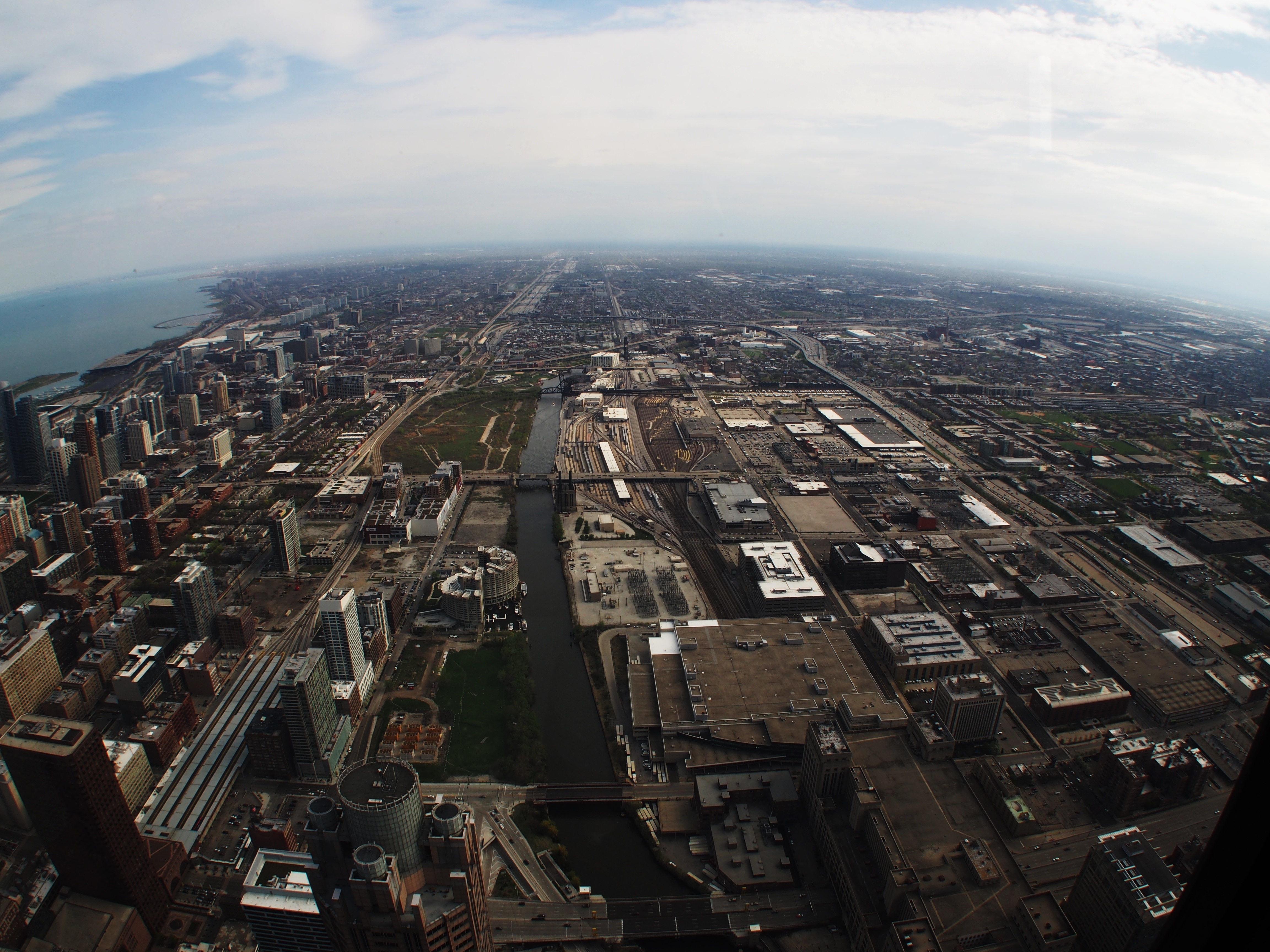
A southern view of the city from the 103rd floor of the Sears Tower. Sorry, I just cannot call it by any other name than the Sears Tower.

20130513-164415.jpg
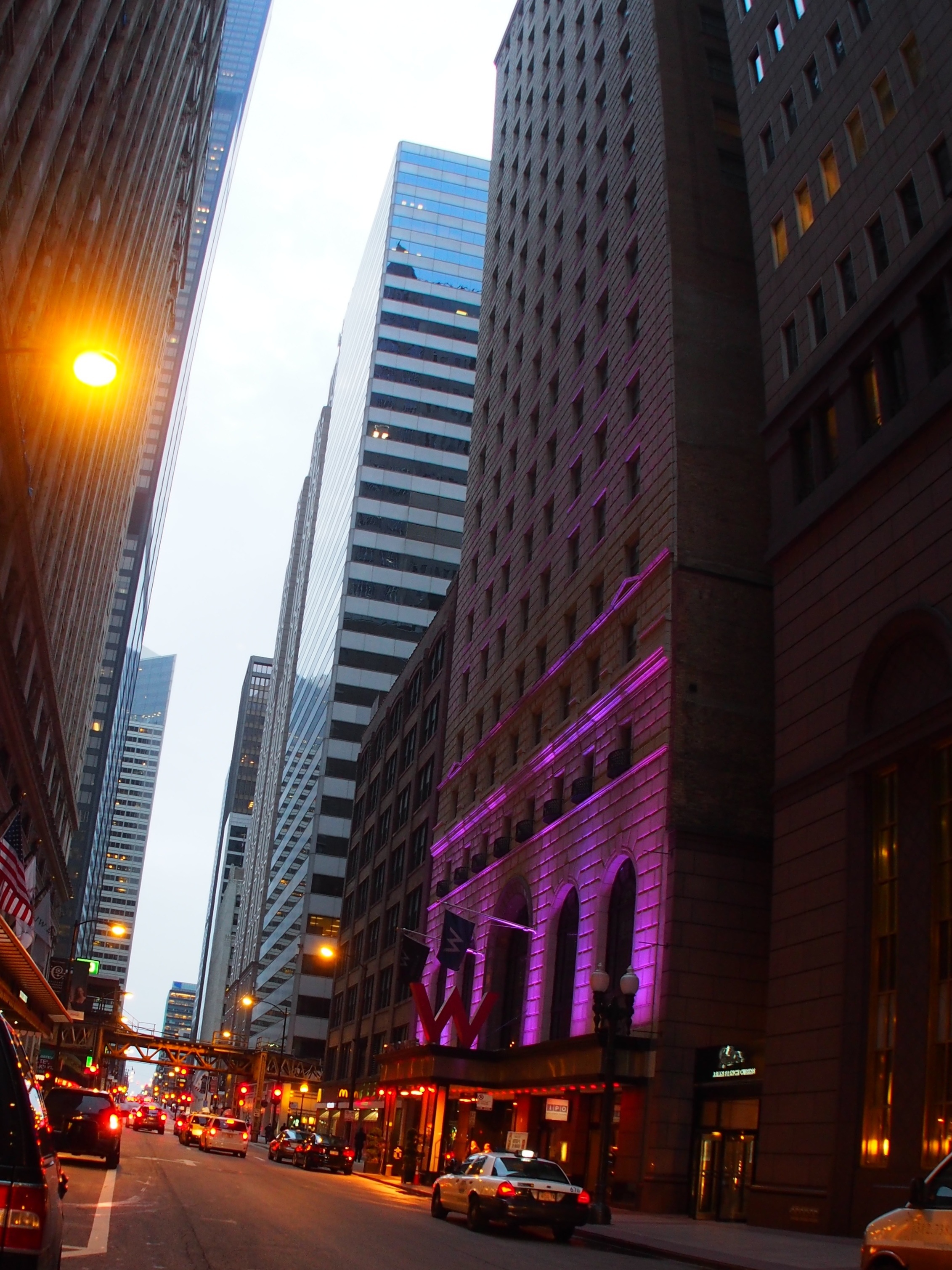
A look down LaSalle

20130513-164454.jpg
The W on Adams – a wonderful hotel with fresh caramel brownies in the lobby.

20130513-164534.jpg
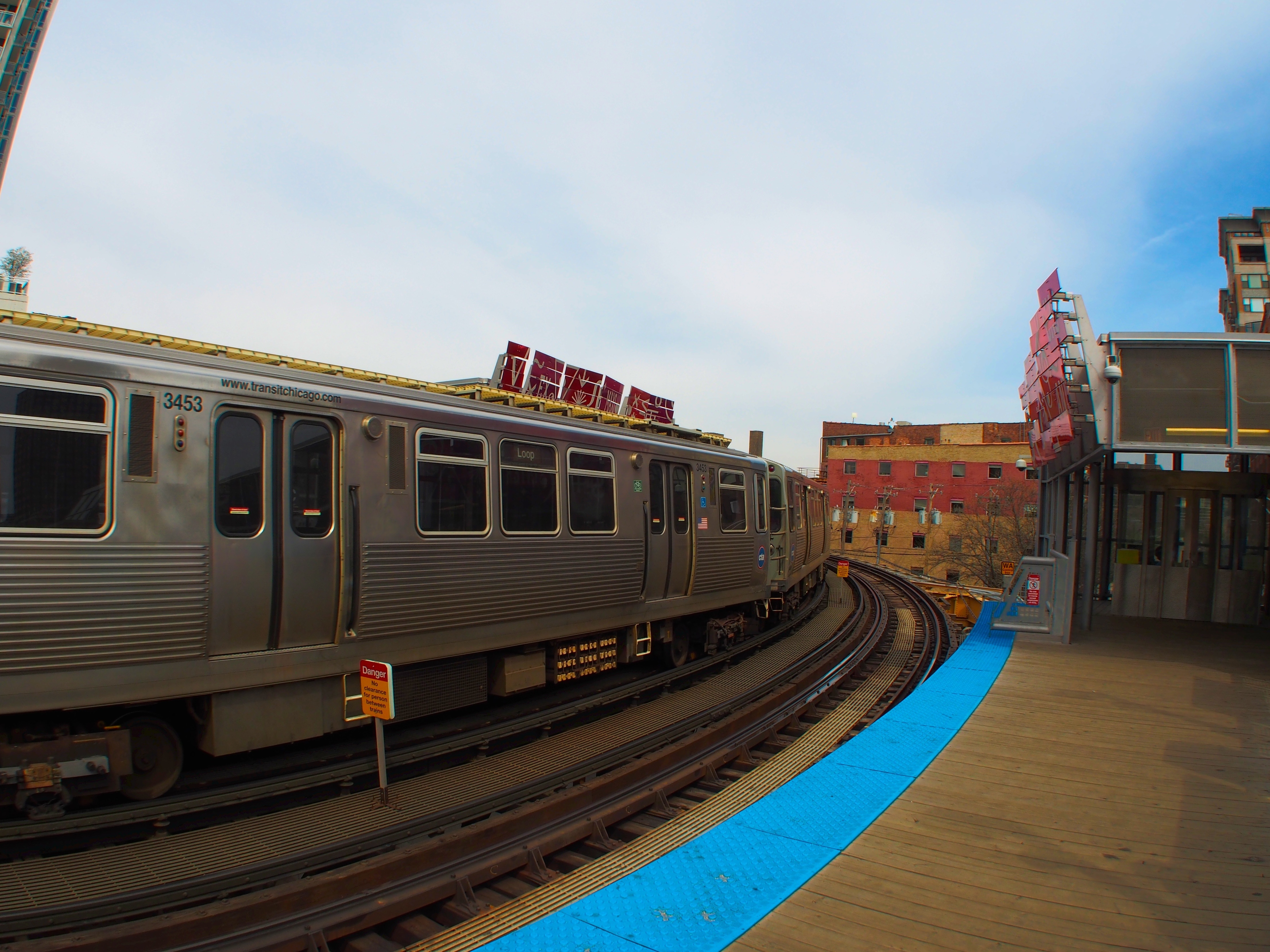
The Loop was undergoing renovations so this is the spot they dumped us to catch a shuttle. Still, an interesting vista.

20130513-173253.jpg
Hamsters in the sky on the side of the Sears Tower.

20130513-173342.jpg
The 112 Ladder and Truck in North Center

20130513-173354.jpg
A classic Italian restaurant in the theater district.

20130513-173407.jpg
A curve on the L

20130513-173526.jpg
I couldn’t manage a visit to the city without finding something wild. A bird against the skyline for good measure.

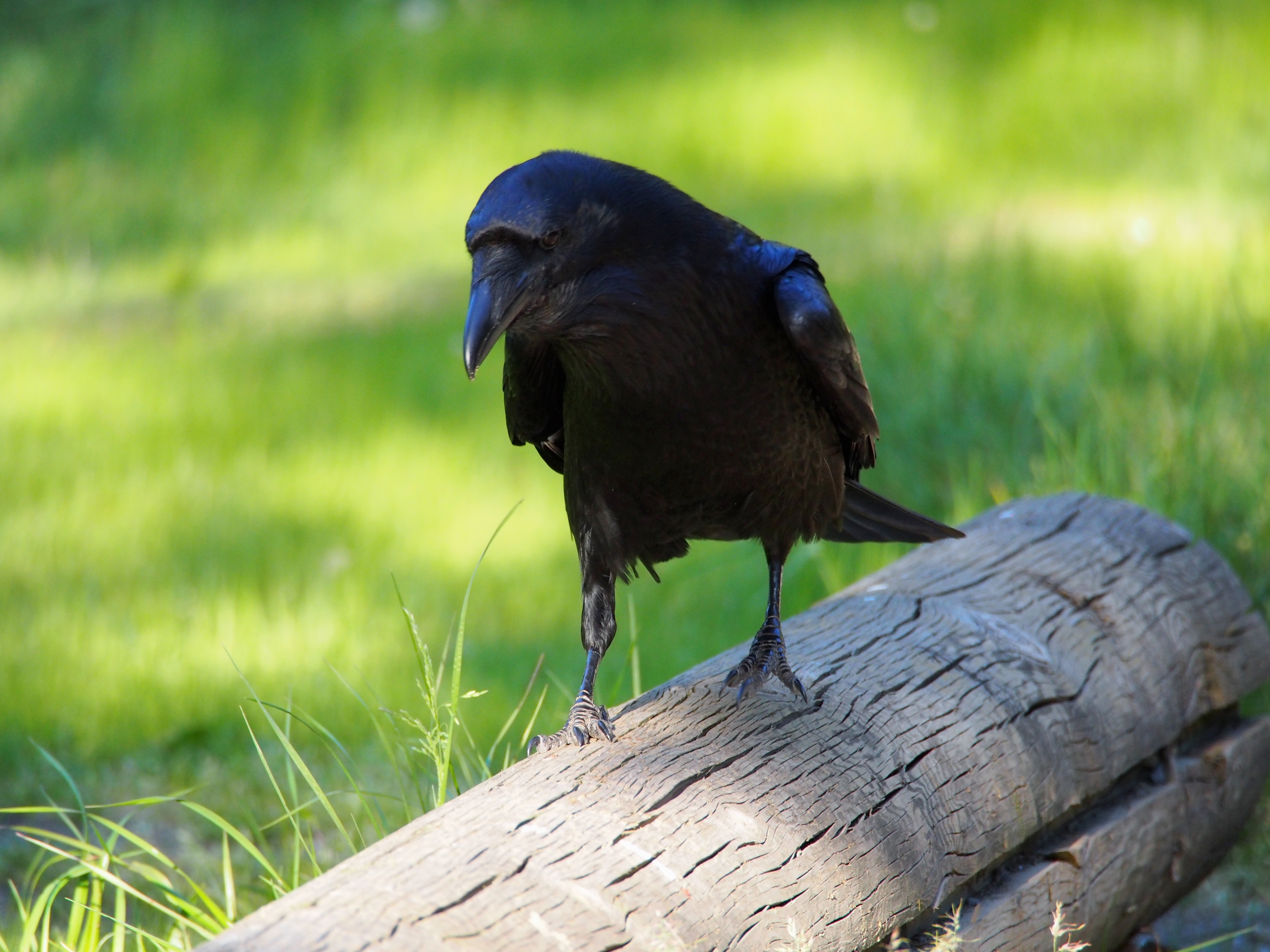
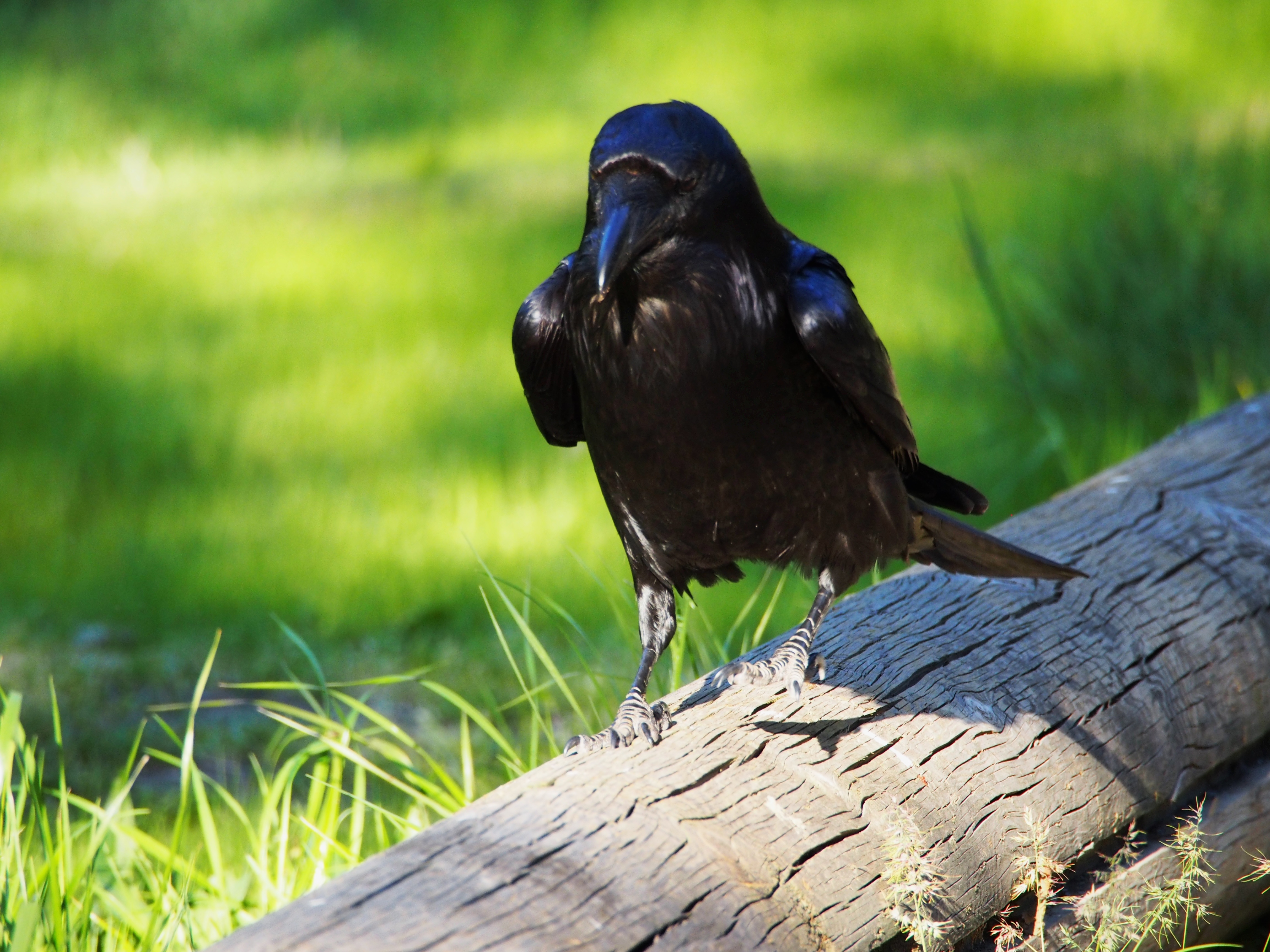
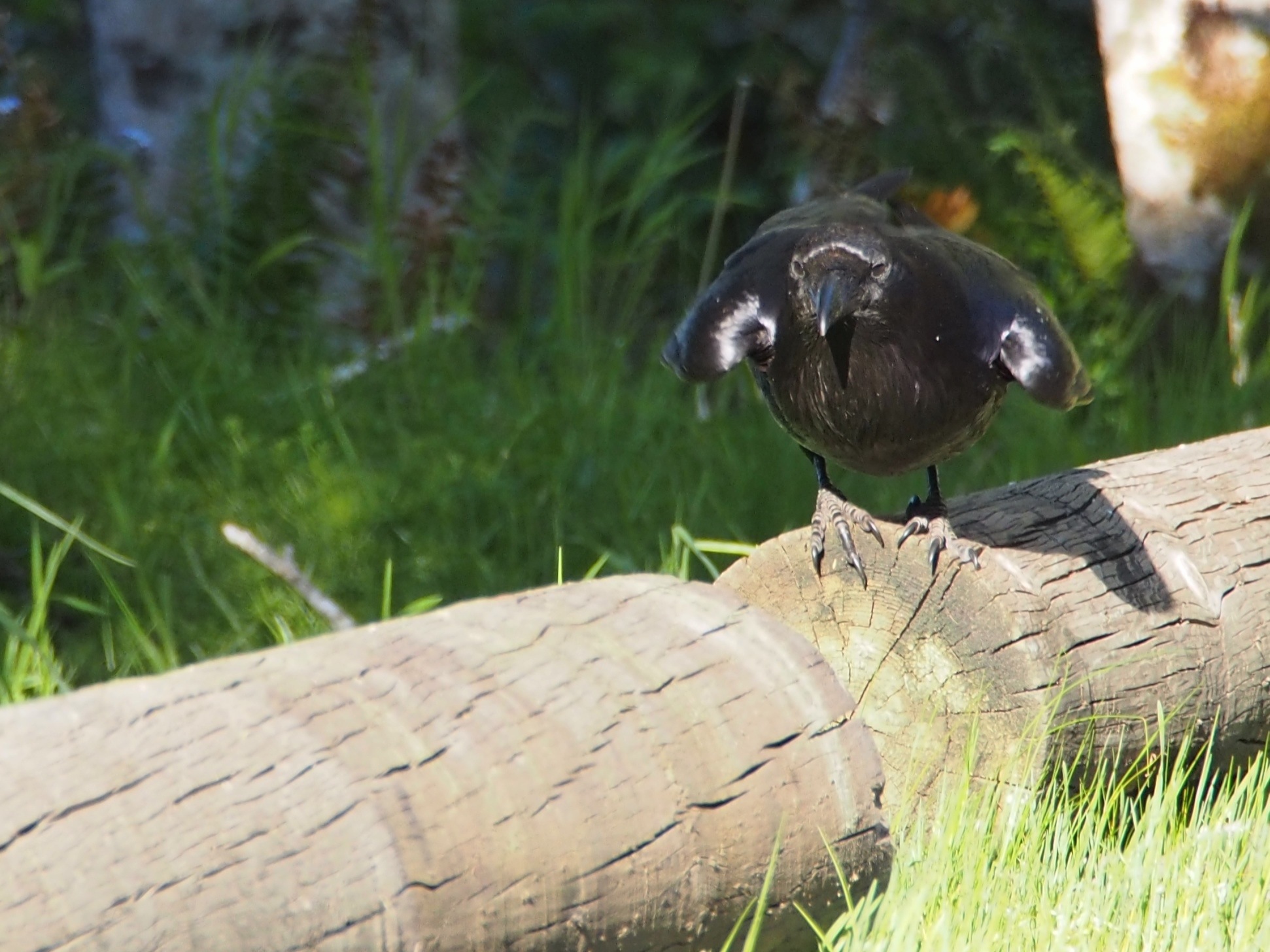
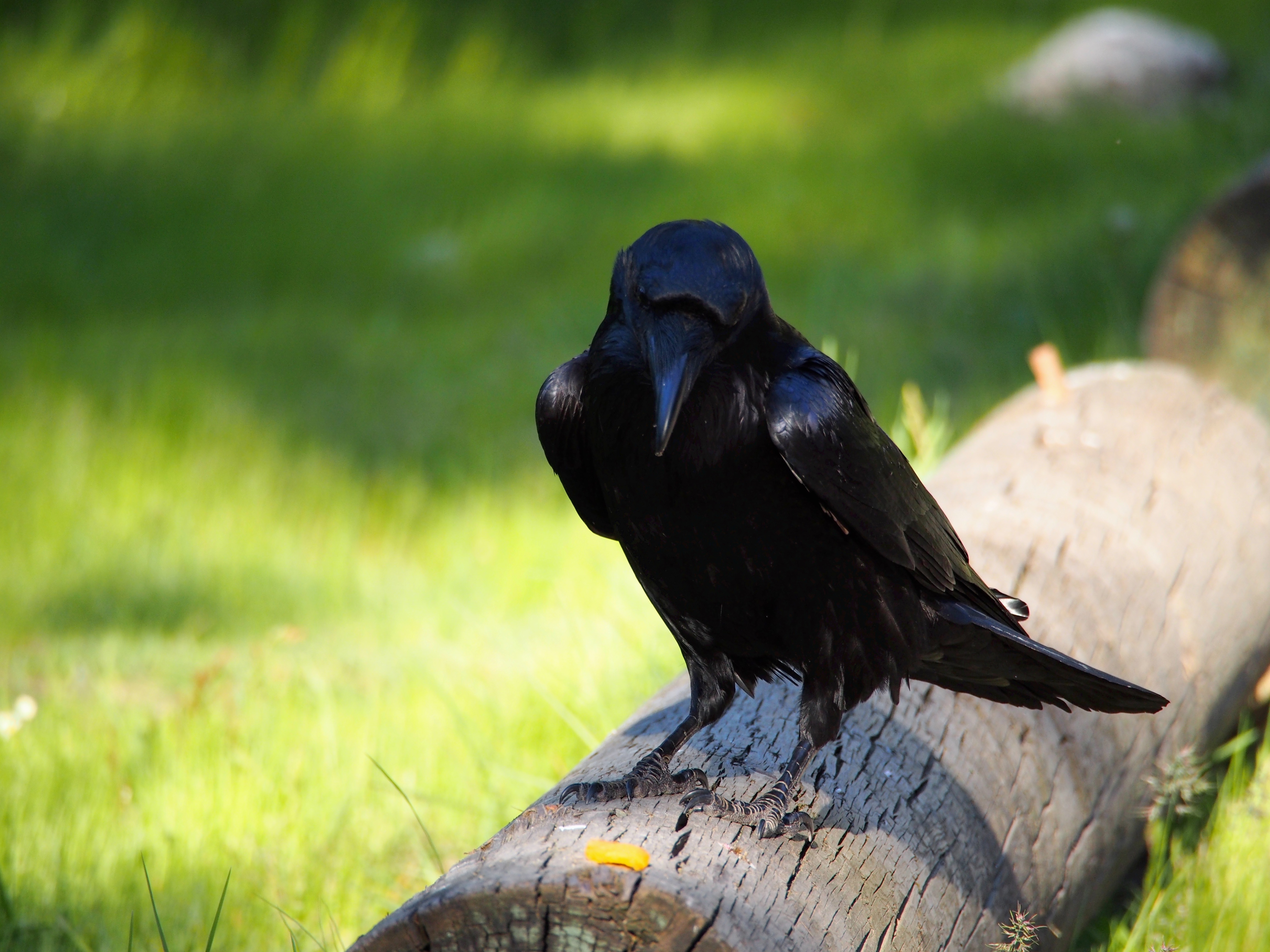
Quoth the Raven “Apricots Forevermore!”

I’m on the road – traveling across country with my sister Karen. While we are waiting it catch a ferry I thought I would make a quick post.

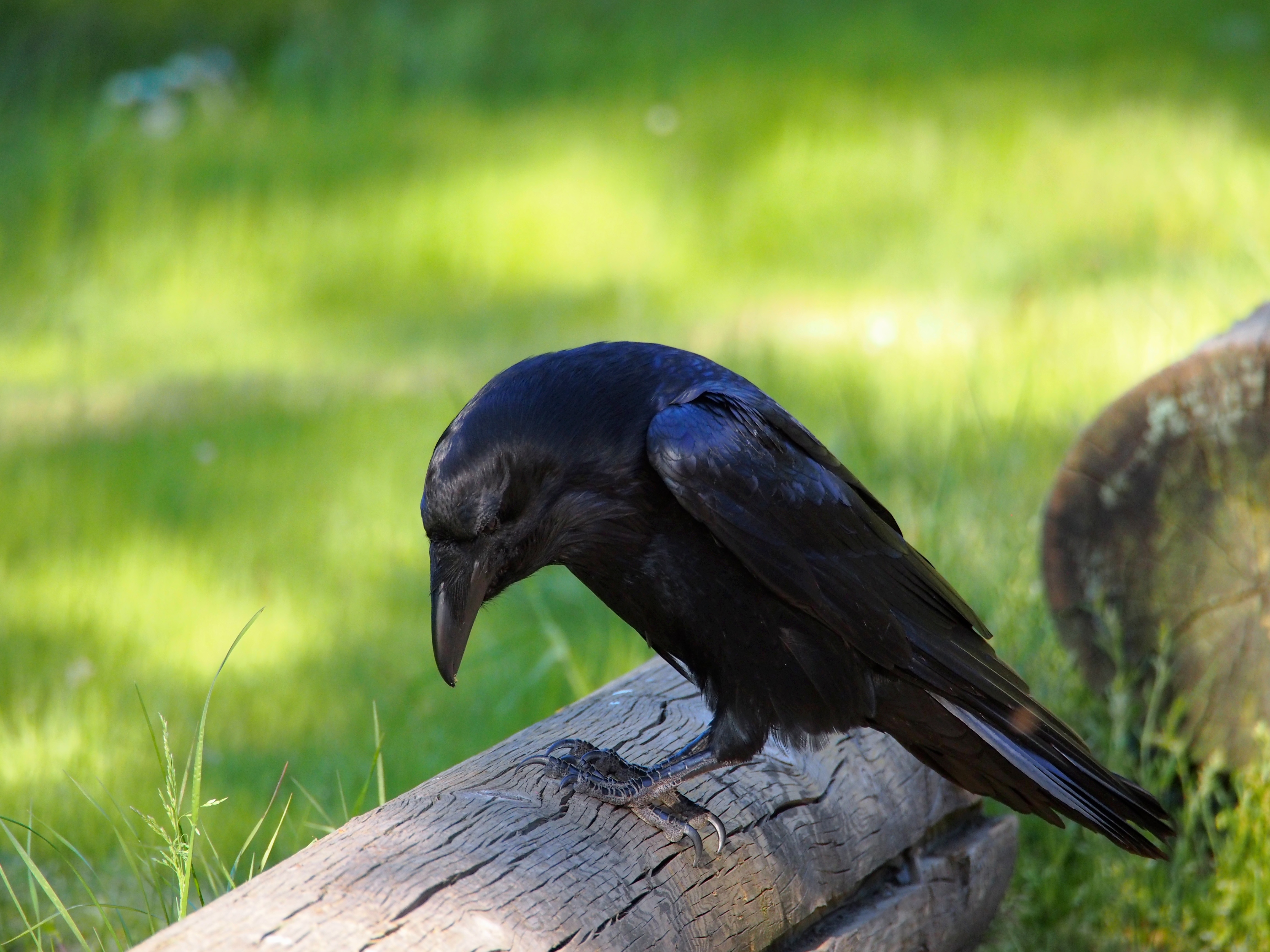
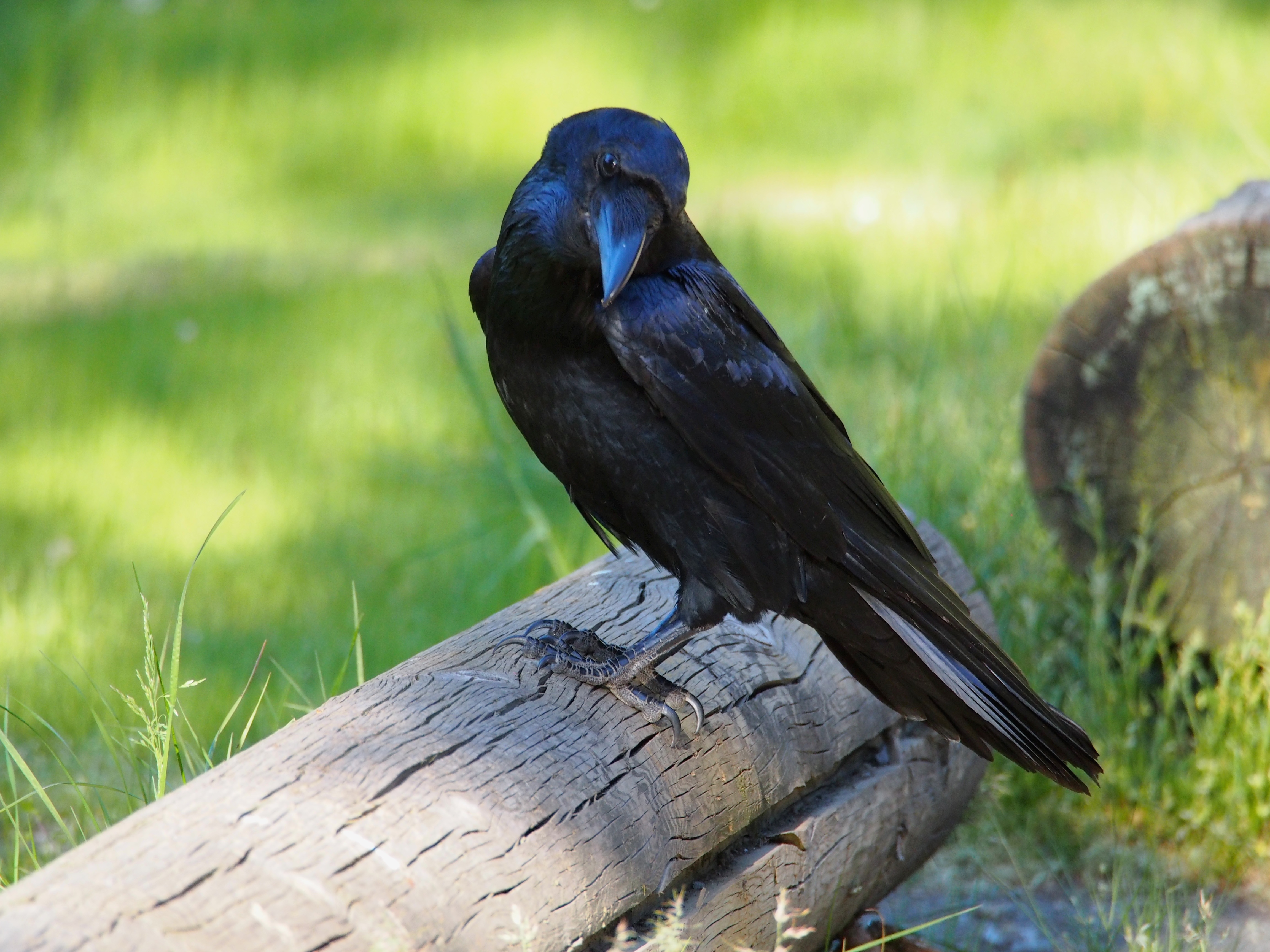
All along the highways in Washington state we have been seeing lots and lots of ravens and crows. They are everywhere. Typically back home they keep their distance, so when we made a stop to check out the view at Crescent Lake in Olympic National Park we were delighted to see one stick around. We tossed him a dried apricot and he decided to stick around for more…

20130509-113950.jpg
He seemed to own this grassy patch on the lake shore…

20130509-114026.jpg
We noticed that he liked to perch on the parking logs at the edge of the grass – here he gives us his “I’m pitiful” look…

20130509-114100.jpg
Next he throws us a pose…

20130509-114137.jpg
We placed the apricot on the log at a spot near us and backed off to watch…

20130509-114212.jpg
He waddled across the top of the log, occasionally taking a couple of hops…

20130509-114250.jpg
As he gets to the end of the first log, he winds up for a big hop…

20130509-114319.jpg
And he starts the stomping waddle to his treat…

20130509-114357.jpg
At last, it’s within reach…

20130509-114435.jpg
And it’s gone…

20130509-114504.jpg
He catches the next flight to the tree across the road to see if there are more apricots to come.

Bringing Home the Bacon

Today it snowed at the Stone House. I only know this because of Facebook. My friends and neighbors posted about the historic May snowfall in the Ozarks. Seems like tomatoes will be slim pickings this year. As for me, I’m not there. I’m on the road and starting a big adventure today, so I missed the historic snow. My pomegranates, however, did not. Hopefully they will handle this brief interruption to spring.

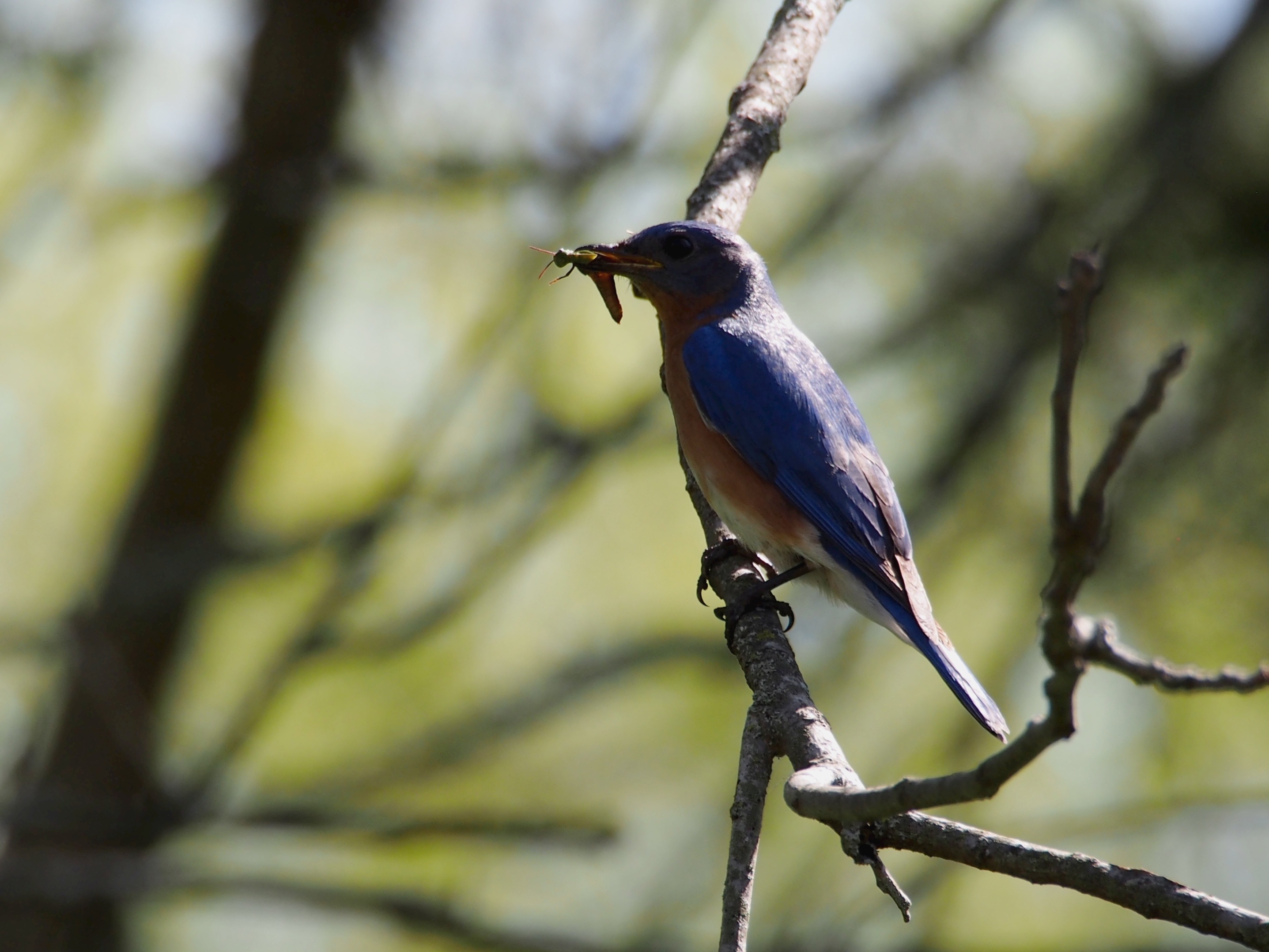
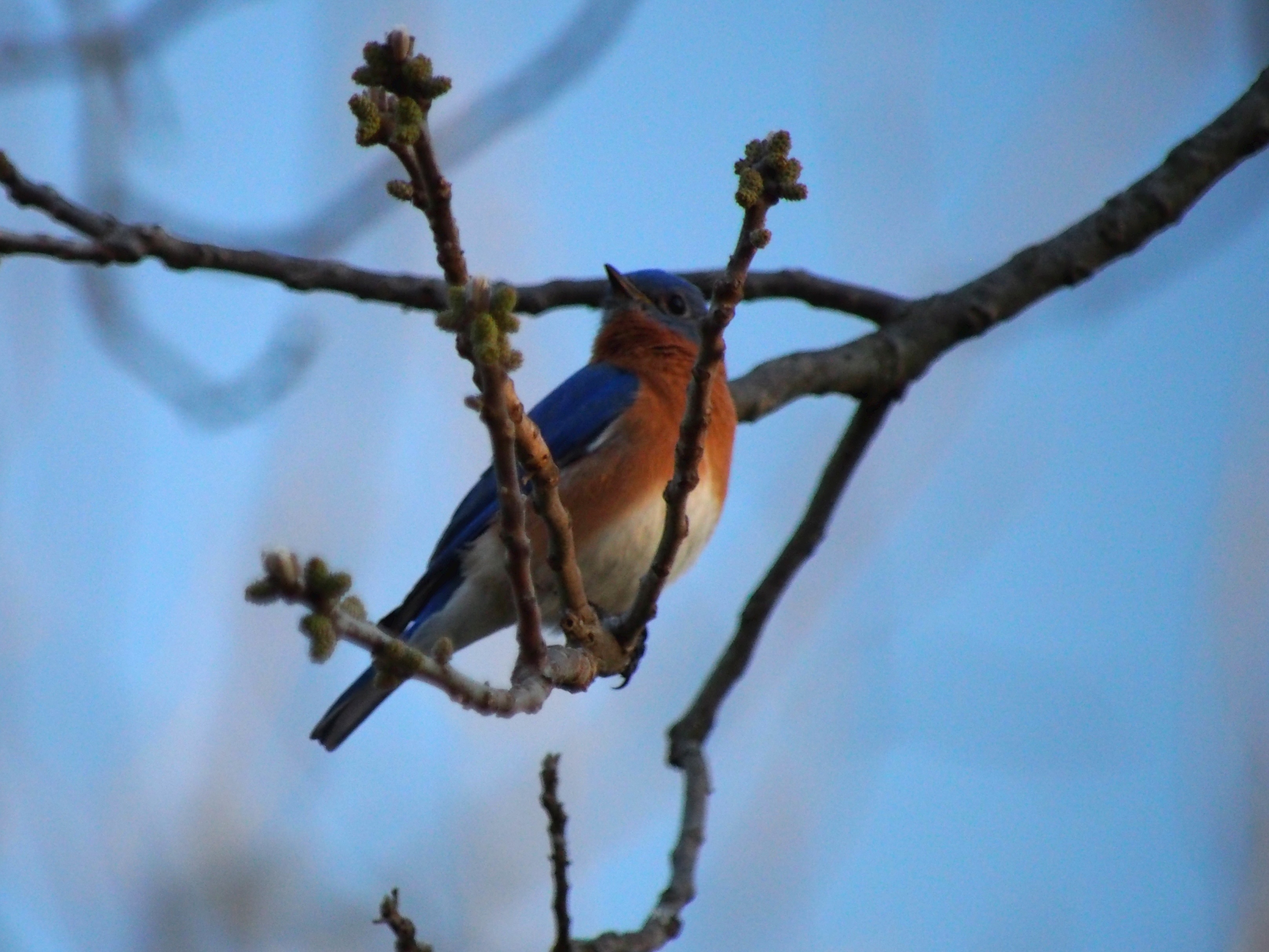
Reading all the posts about snow made me think about my Bluebirds of Happiness. It’s been about a month since they moved in. After the male approved the new digs, they set about to nest building. In my view he seemed to leave most of the nest building to the female. He stood watch while she made hundreds of trips back and forth with twigs and grass. He would look in from time to time, but I thought he was taking the easy route – just watching her do the heavy lifting….

20130503-142738.jpg

20130503-142755.jpg

20130503-142820.jpg

In retrospect, I think I have been a little hard on Mr. Happiness. I haven’t dared to look into the bird houses, but it’s clear that there is a big need for protein these days. The Mrs. makes it out of the box occasionally, but Mr. Happiness is definitely carrying his weight. Mother and young are eating up a storm…

20130503-143218.jpg

20130503-143245.jpg

20130503-143312.jpg

20130503-143342.jpg

20130503-143401.jpg

20130503-143431.jpg

20130503-143514.jpg

20130503-143530.jpg

20130503-143550.jpg

20130503-143612.jpg
In one ten-minute period I saw him make 5 deliveries to the birdhouse. I never saw him eat anything himself – he would hit the ground, grab some grub, and take a quick look around from one of his favorite vantage points, before hitting the doorway of his home. I wonder how many mouths he has to feed. I wonder how long it will be before he can get back to sitting pretty and keeping watch…

20130503-143926.jpg

20130503-143940.jpg

A Well Designed Weed

I am a fan of great design. When something has a beautiful aesthetic design that is also completely functional – for me that’s the pinnacle of design. I know that to most homeowners, this weed is the bane of their existence, requiring bags of chemicals and funny-looking tools to tame. I have come to appreciate their amazing design – to see that from not only follows function, but that functionality can be truly beautiful.

It begins like this…

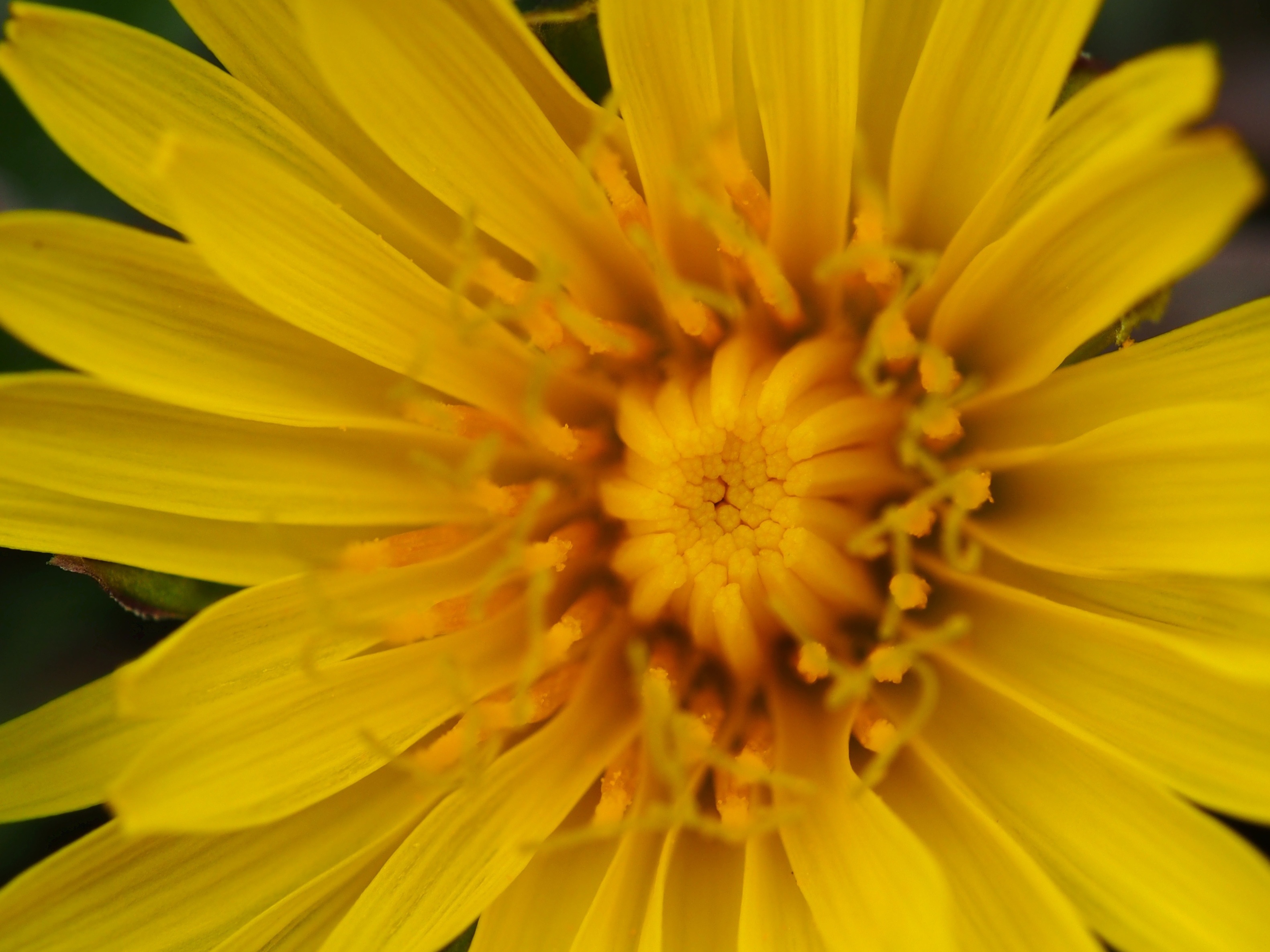
I have always marveled at the intricate detail of it's flower's structure.

I have always marveled at the intricate detail of it’s flower’s structure. So much geometry.

…and transforms into this…

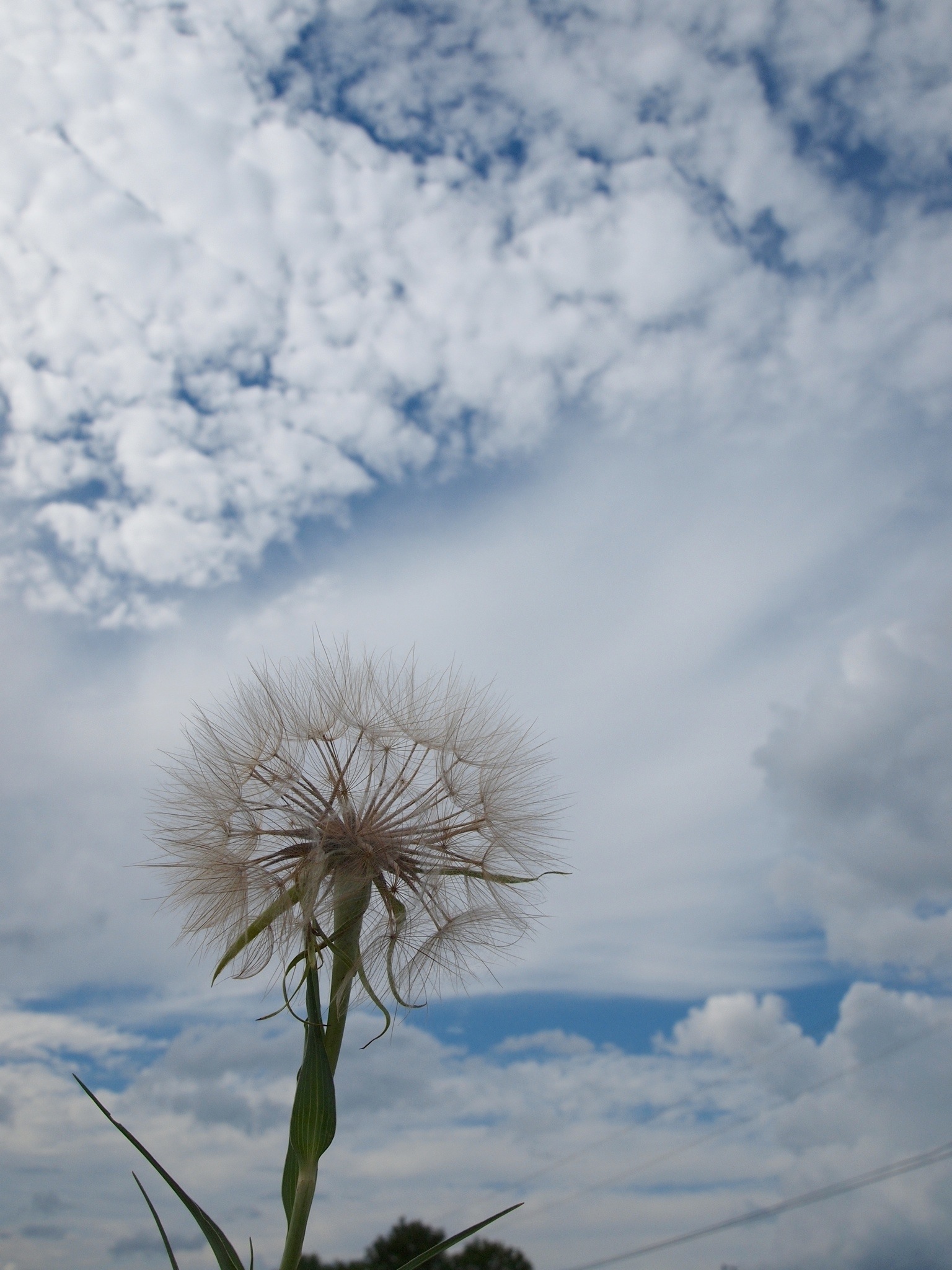
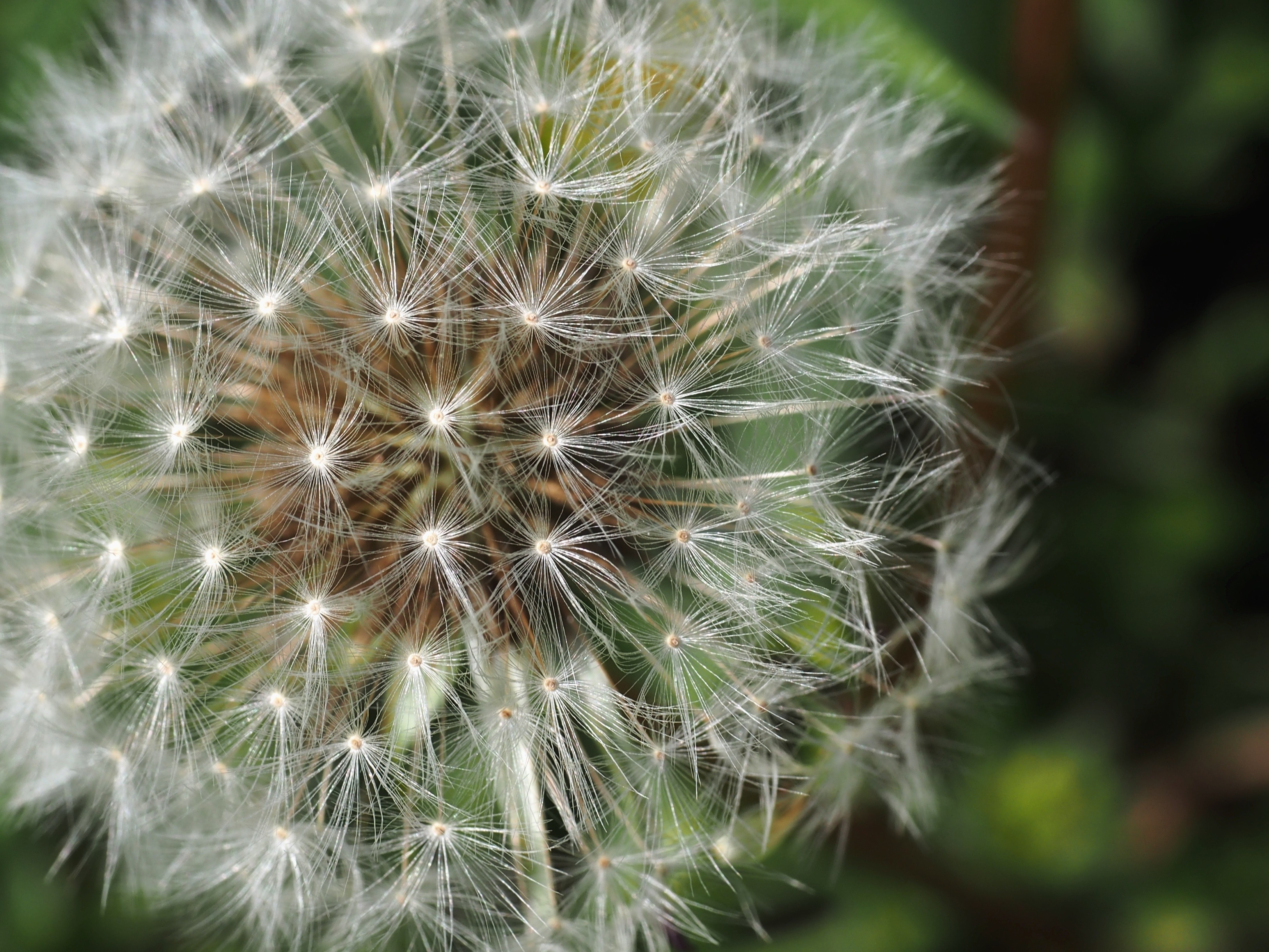
The symmetrical seed ball is also filled with structure and geometry,

The symmetrical seed ball is also filled with structure and geometry, a nearly perfect circle made mostly of air.

To really appreciate the beauty and the geometry of the dandelion, you must get closer…

As you get closer you can see the almost engineered structure that holds the whole seed system together.

As you get closer you can see the almost engineered structure that holds the whole seed system together. Dimples as perfectly spaced as any man-made golf ball.

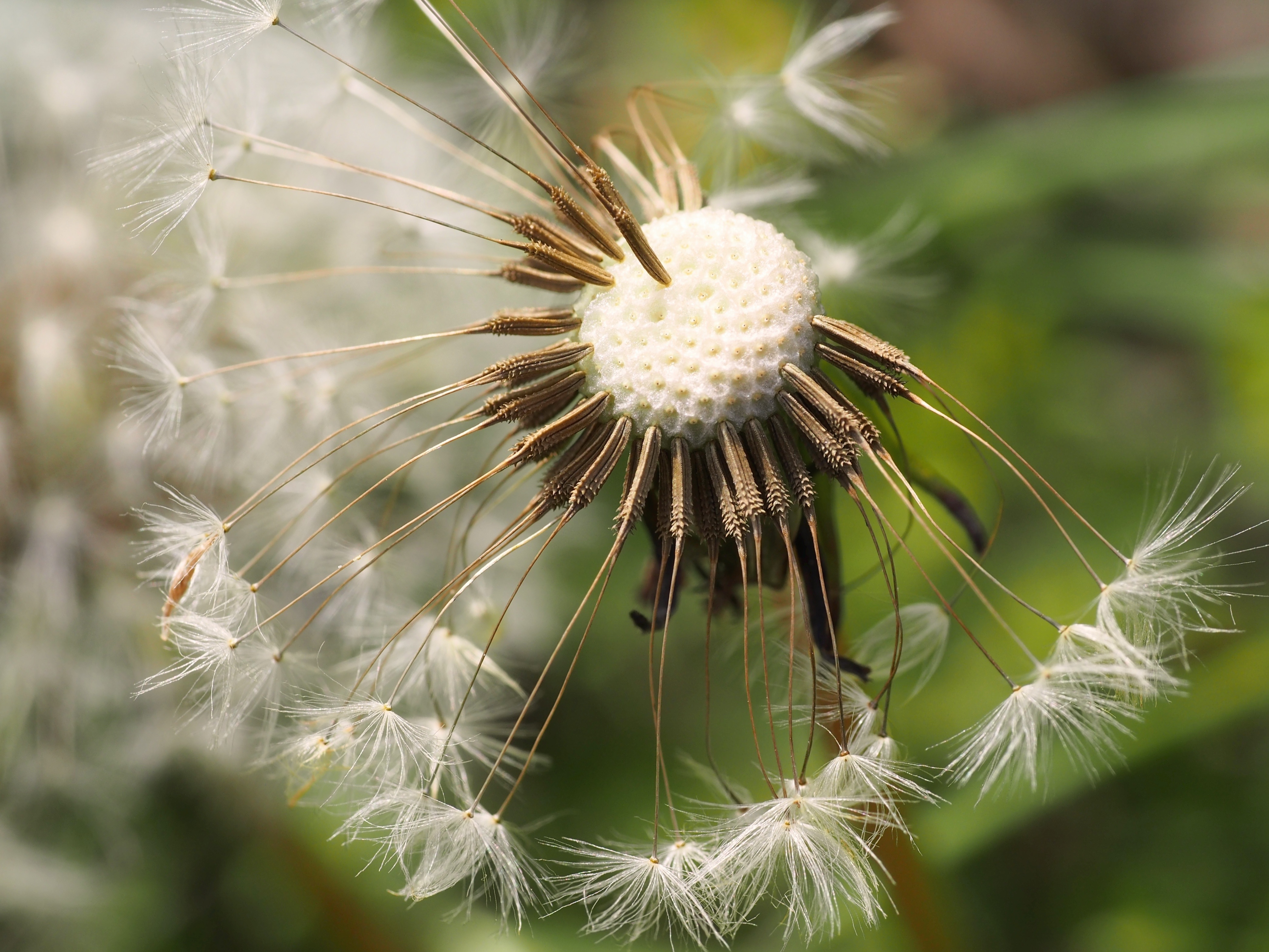
As you get even closer the structure of the seeds themselves becomes much more intricate than you might imagine…

Here you can begin to make out the structure of the seeds - quite intricate with symmetrical barbs holding seeds to center.

Here you can begin to make out the structure of the seeds – quite intricate with symmetrical barbs holding seeds to center.

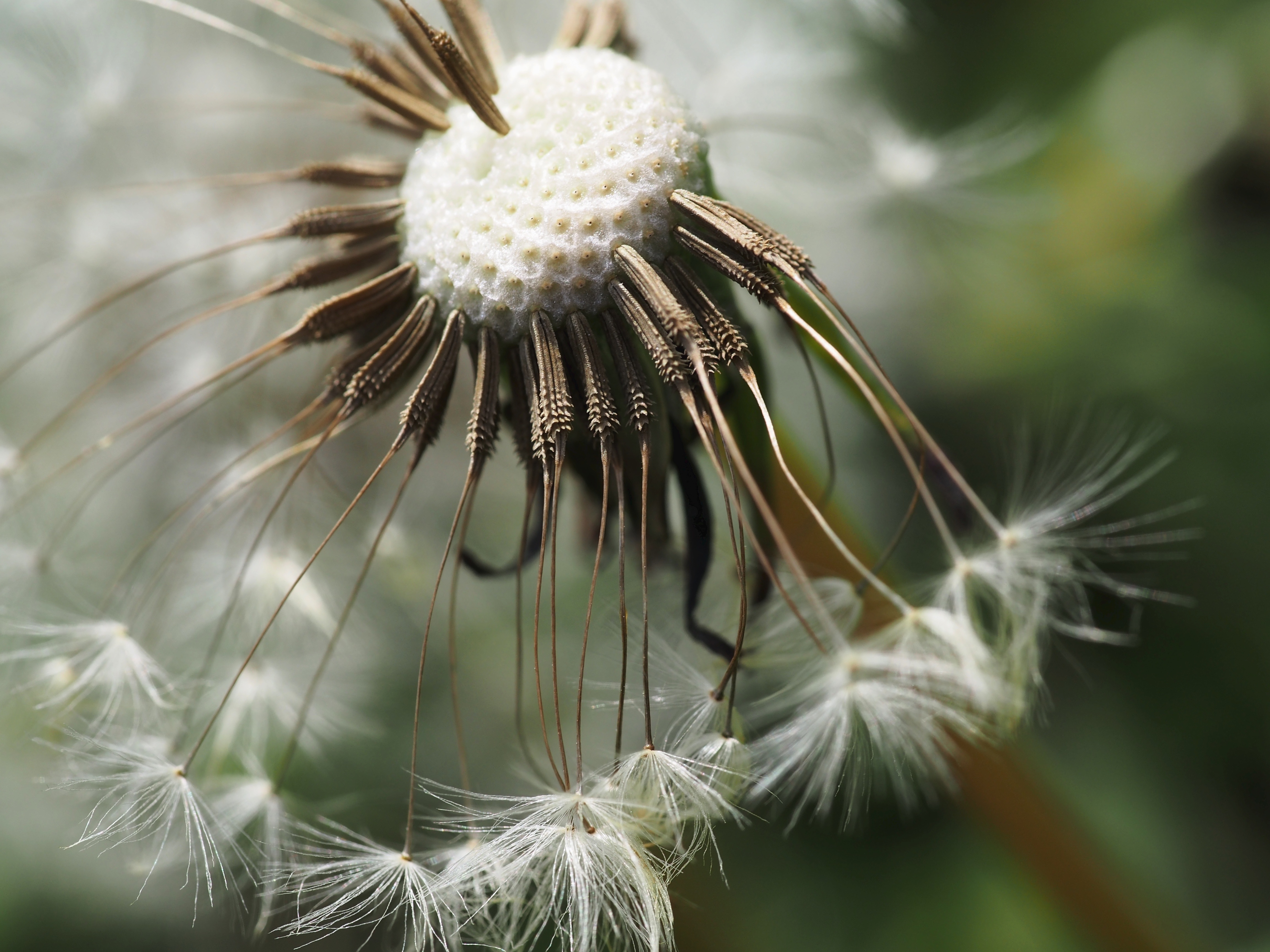
Getting still closer, the center is revealed to be less like a golf ball with dimples and more like the ports of a futuristic space station…

Now we see that the holes in the center actually have structure too - they have small "latches" that hold onto those seeds until just the right gust of wind comes along.

Now we see that the holes in the center actually have structure too – they have small “latches” that hold onto those seeds until just the right gust of wind comes along.

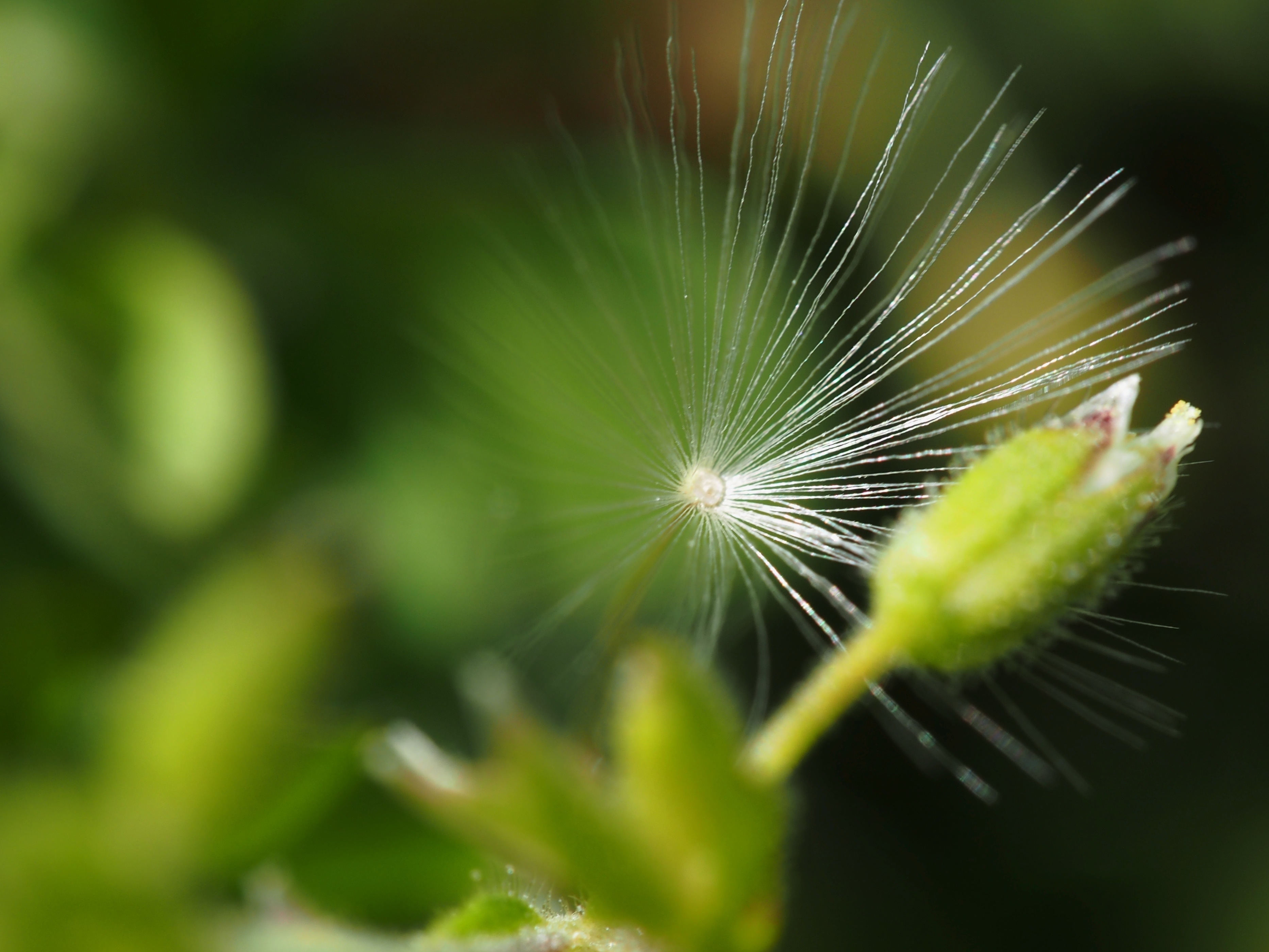
Of course the flower is just the opening act. The seed itself has an ingenious design…

The seed of the dandelion suspended from the center of a pinwheel of very fine parachute. It not only keeps the seed airborne to scatter in the wind - it makes for a perfect landing with the seed down.

The seed of the dandelion suspended from the center of a pin wheel of very fine parachute. It not only keeps the seed airborne to scatter in the wind – it makes for a perfect landing with the seed down.

When I lived in the city I fought the good fight with the weed. I would even treat my lazy next-door-neighbor’s lawn to prevent more from invading my little green space. After all, if I failed to take care of my lawn I would be bringing a pestilence upon my neighborhood. When I moved to the woods I recall that my neighbors chuckled when they saw me unloading a bag of “weed-n-feed”. They gently told me that what I was calling a lawn was really about 10% bluegrass filled in with wild clover, dandelions and any other ground cover that would grow out in the open. Over the course of the next few days I thought about the deer and birds and finally about my own well water and decided to embrace the idea of a wild lawn with no chemicals added. That first summer I learned to appreciate the dandelion and over the years I have explored it with better and better glass.

The dandelion in all it's glory.

The dandelion in all it’s glory.

I have come to see the majesty in that well designed weed.

They’re Back…

Springtime has brought strange buzzing sound on the patios of the Stone House. It’s not safe to stand too close to anything red. Sometimes the buzzing comes from multiple directions and a black flash loops overhead. This can only mean one thing…the Hummers are back!

The first scout arrives.

The first scout arrives.

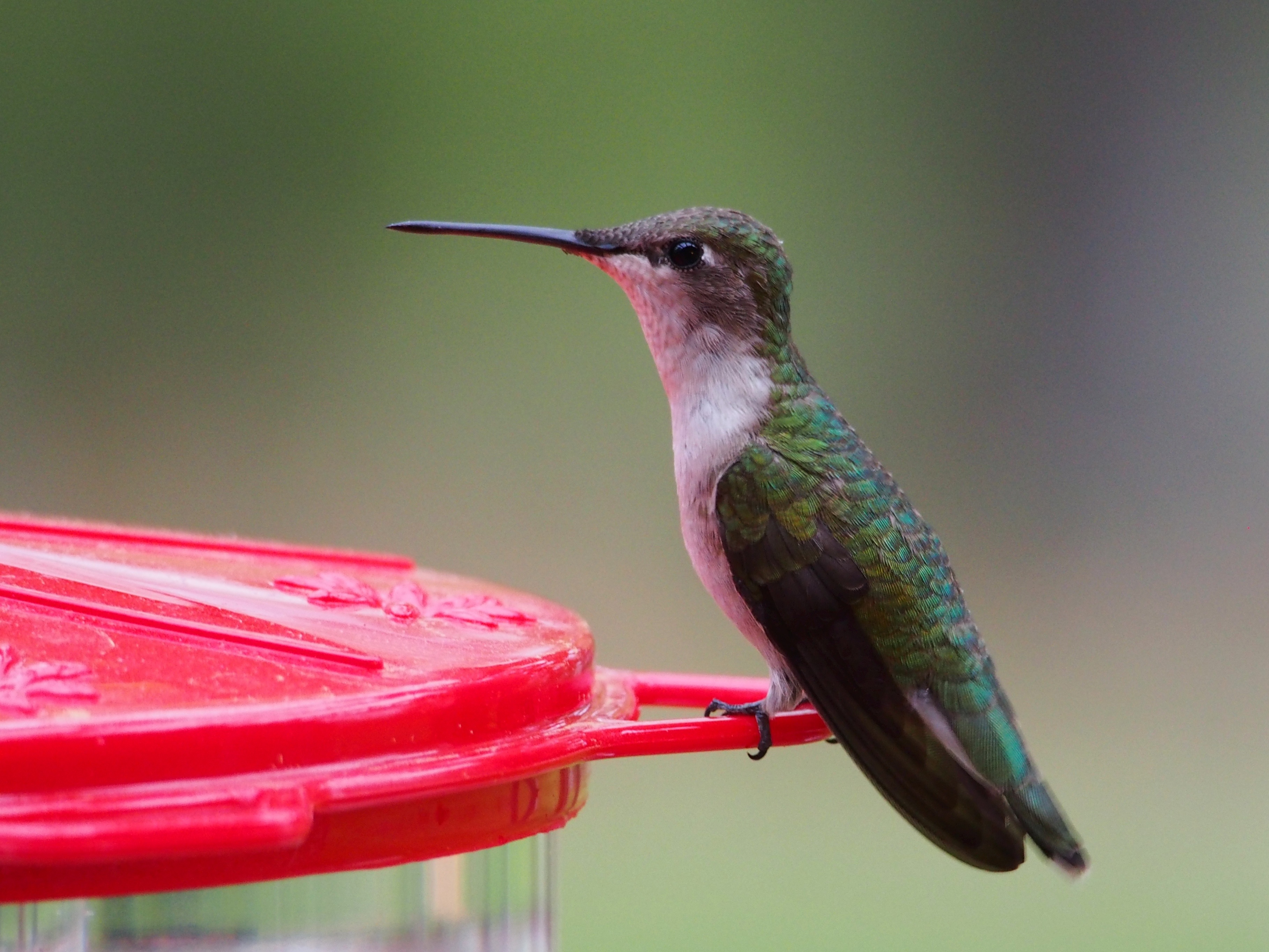
The local legend is that scouts arrive first and take word back to the glimmer that feeders are plentiful here or there. I don’t know if that’s true or not but I put out feeders two weeks ago. Last Saturday this female arrived and spend an hour looking around. By Wednesday I was inundated.

Perched...

Perched…

...and parched.

…parched…

...and perturbed

…and perturbed.

Males and females alike are staking their claim on the feeders. One will start feeding and suddenly they are taking cover…

Sitting tall..

Sitting tall..

...ducking for cover.

…ducking for cover.

It’s been cloudy all week so I’ve yet to get the kind of shots I love to take of these guys – ones where their feathers reflect in the sunlight. For now I will have to settle for low light shots.

Heavy Drinker

Heavy Drinker

Mowhawk

Mohawk

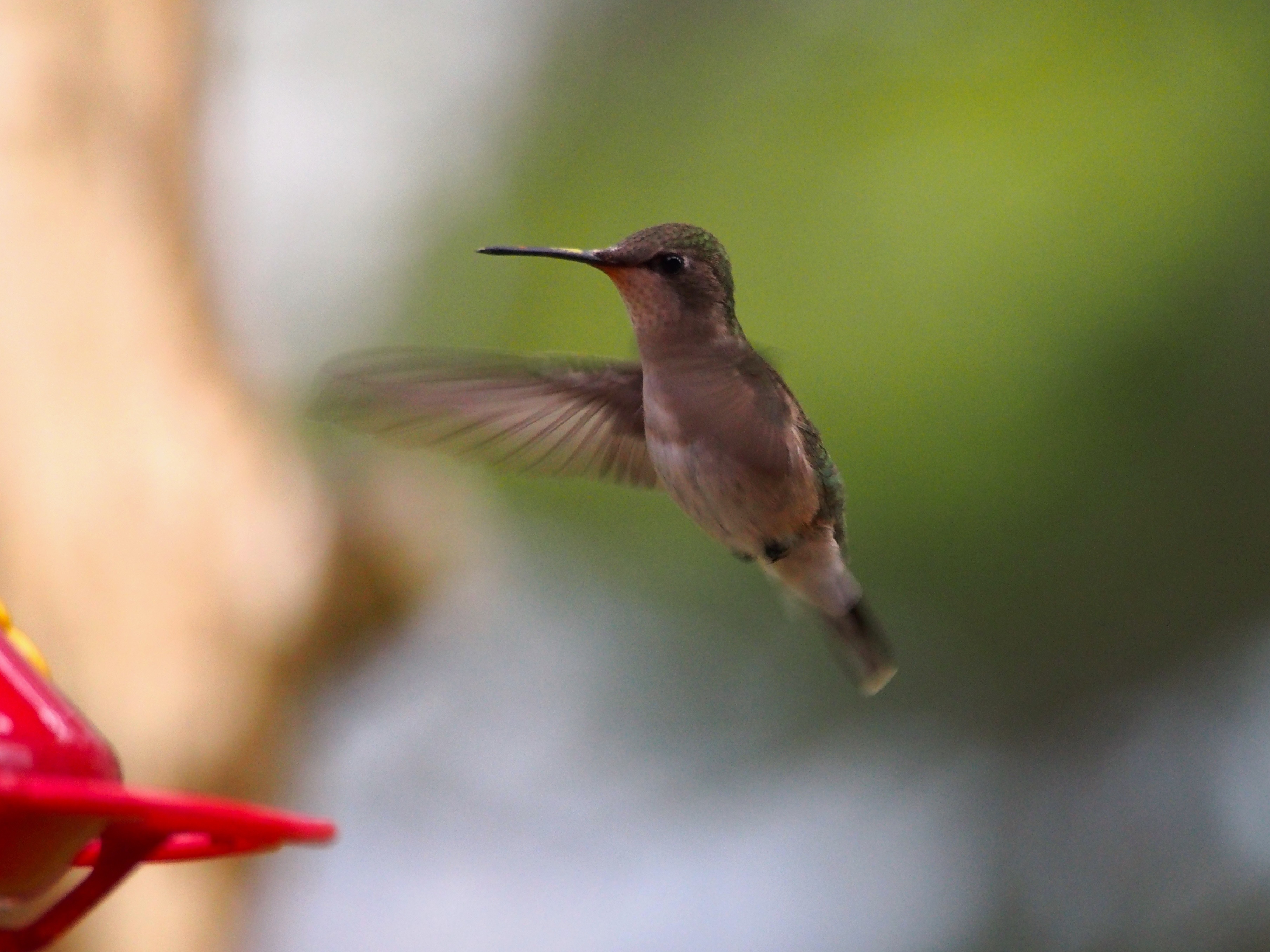
Of course the fun of shooting hummers is trying to catch them in flight. Sometimes I just point in the direction of the sound until I spot one in the viewfinder…

A 10 for style

A 10 for style

Hovercraft

Hovercraft

Soaring upward

Soaring upward

Coming in for a landing

Coming in for a landing

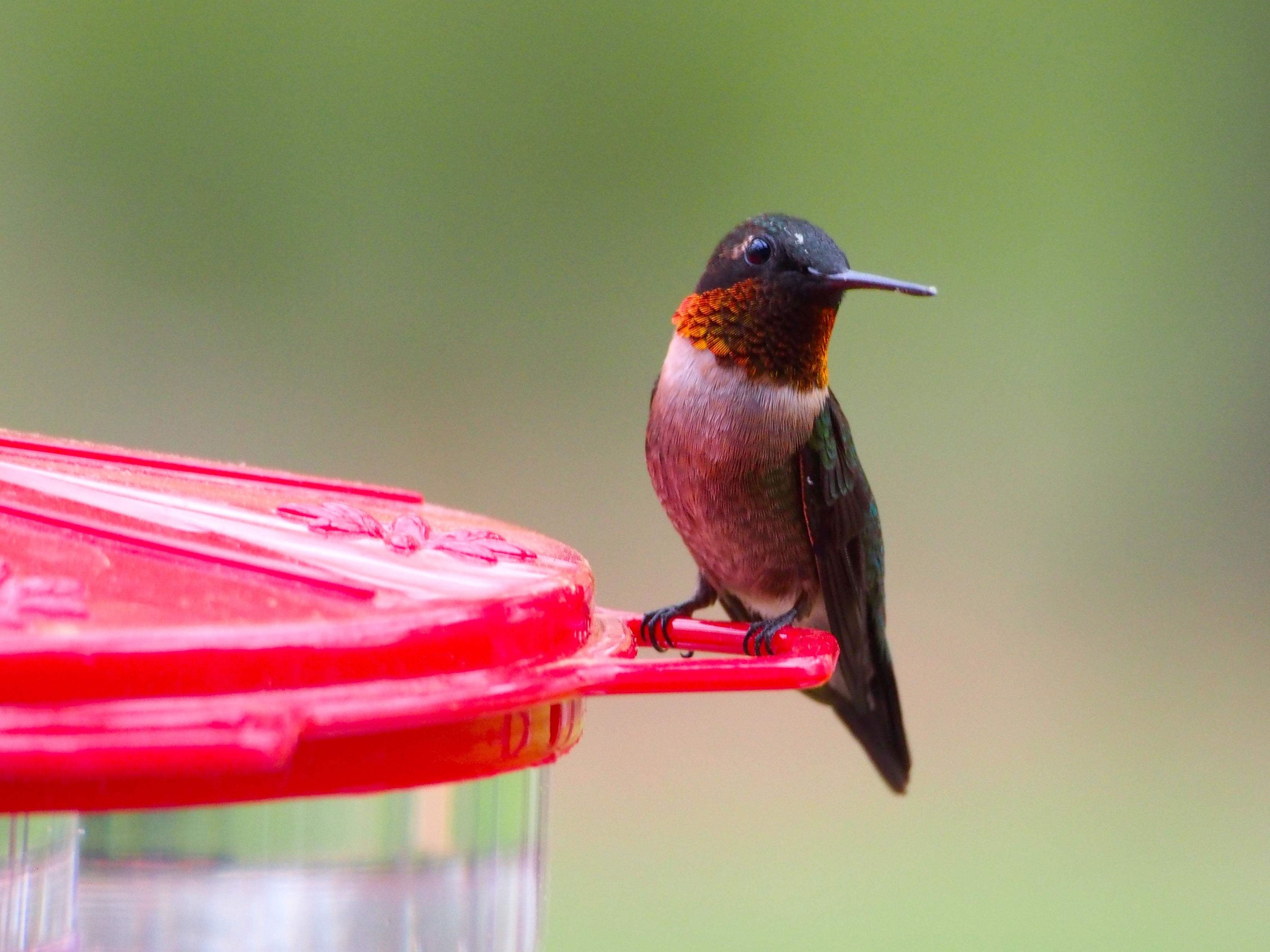
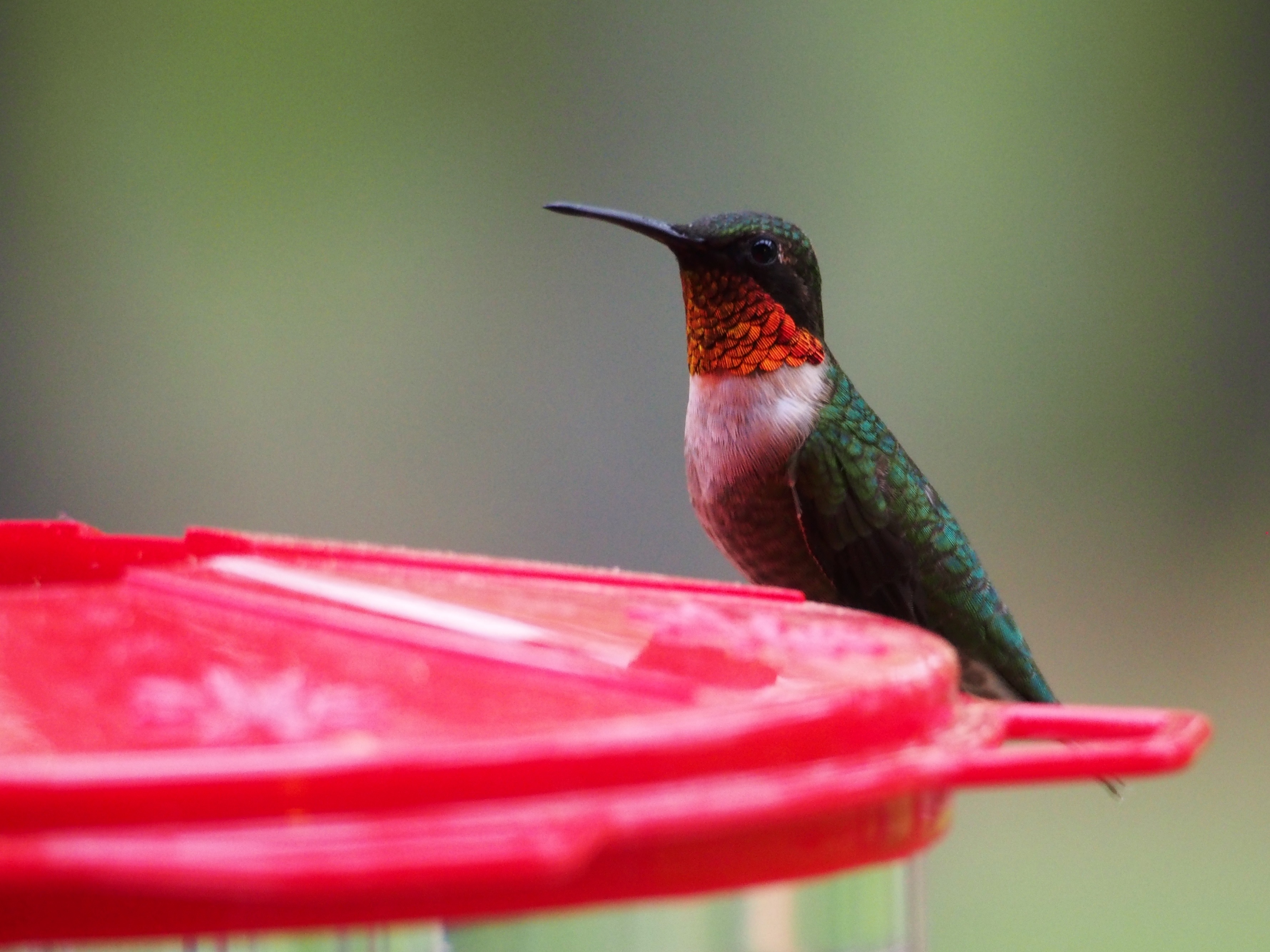
I’m fascinated by the iridescence of the throat feathers on the males…

Ruby throat

Ruby throat feather glow when they catch the light

The same male, turned away from the porch light

The same male, turned away from the porch light

He turns slightly and catches the light again

He turns slightly and catches the light again

And finally he turns back to feed - his back feathers are pretty impressive too

And finally he turns back to feed – his back feathers are pretty impressive too

So far I have counted 6 different hummers – and they’ve only been here a week.

This small female is very assertive about her feeder territory

This small female is very assertive about her feeder territory

This shy male waits for the others to leave before feeding

This shy female waits for the others to leave before feeding

They all are already putting on quite a show…

Squeegee's nap is interrupted by the arial display above

Squeegee’s nap is interrupted by the aerial display above

…and this is just the prelude. Spring is officially here!