Automne dans les Aux Arcs – C’est Orange!

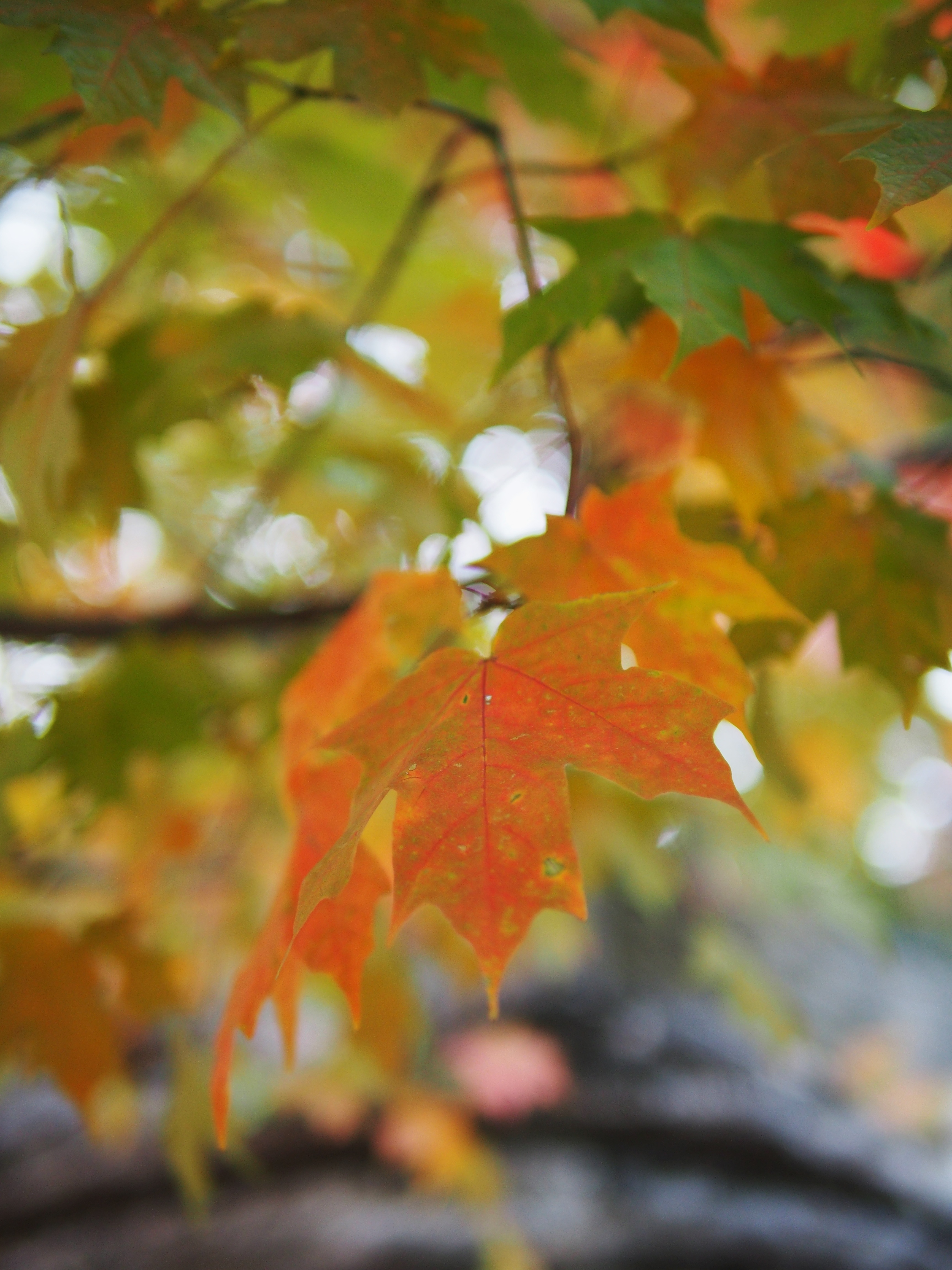
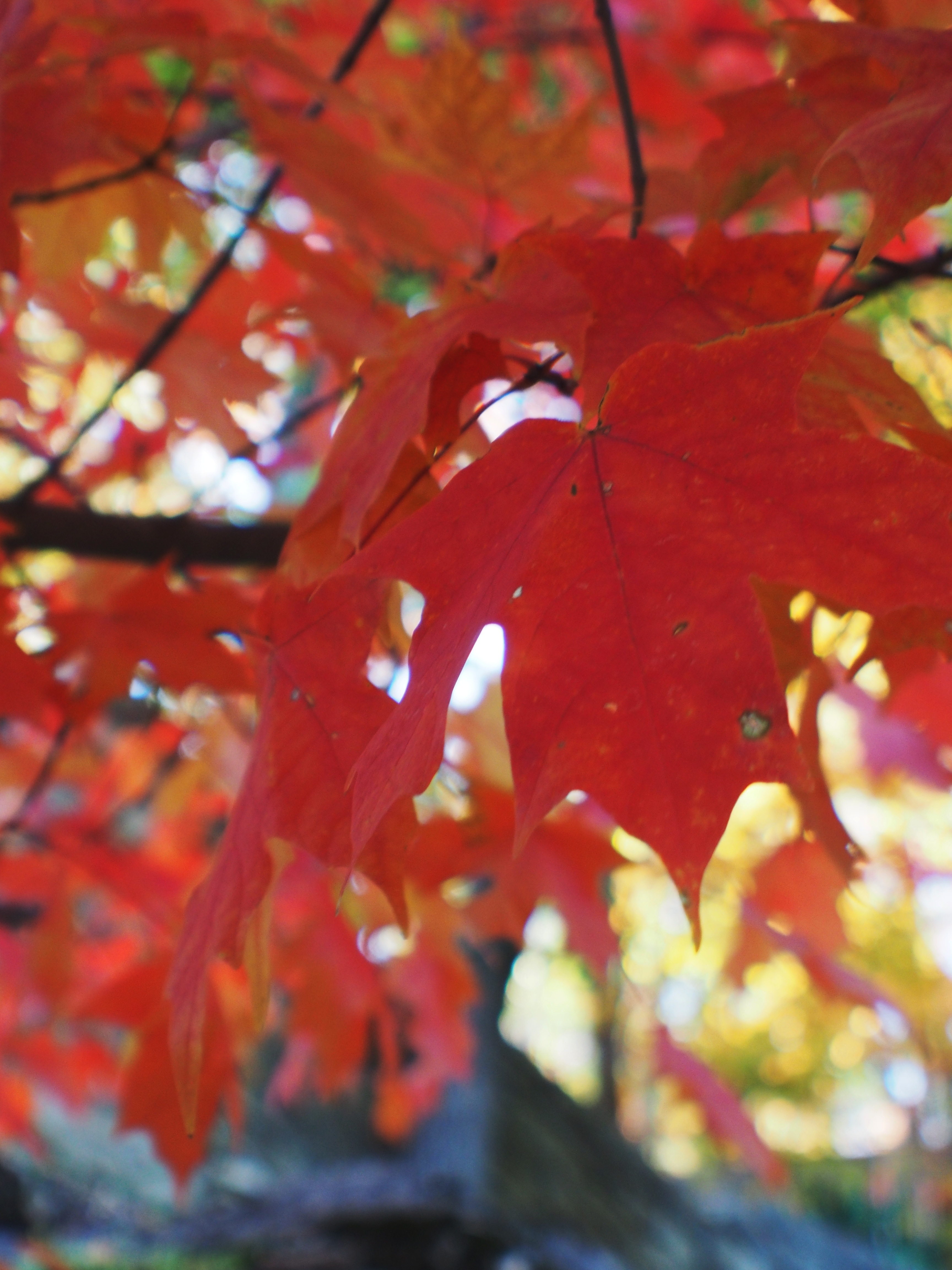
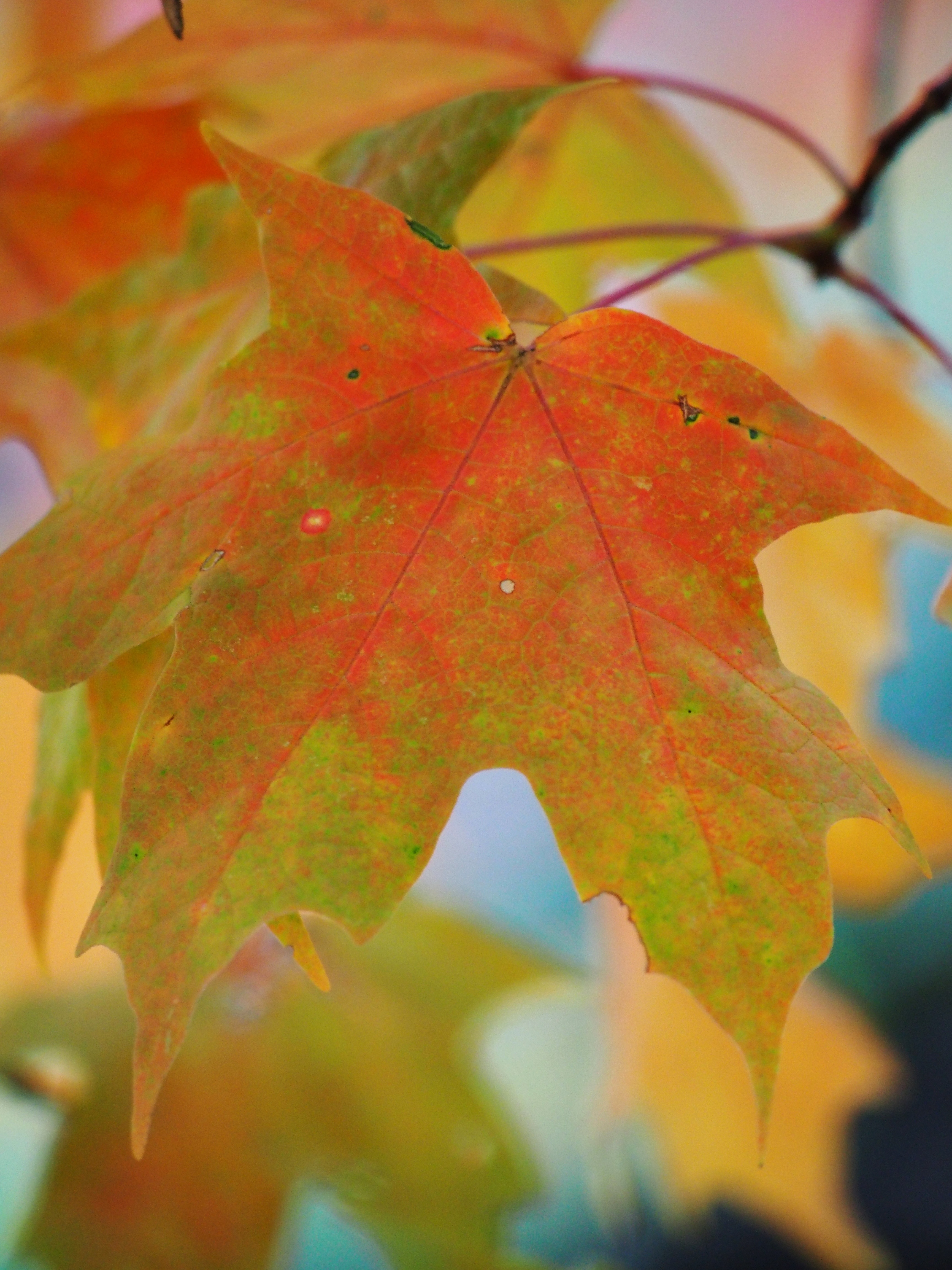
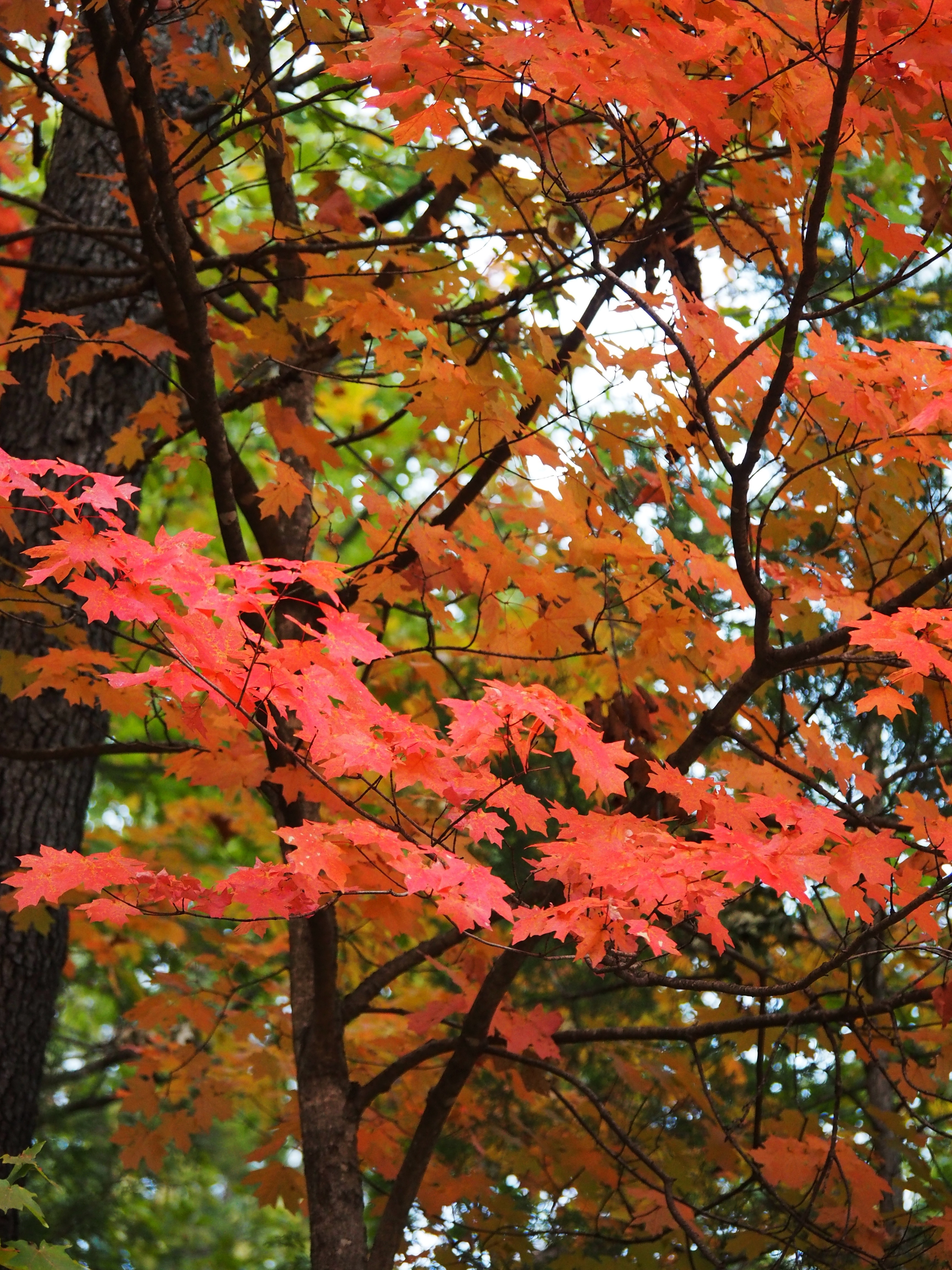
Ok – so I don’t speak French. I took three years in high school and struggled through it. One day my teacher, Madame Sprott commented on my sweater – “Oooooo! C’est orange!” It’s been stuck in my head for over 30 years. Whenever I hear the word “orange” I can still hear her voice as she noted the color of my sweater. It was the kindest thing she ever said to me. She was pretty ambivalent about me, but that sweater…..I digress. Sorry.

Orange is a color that moves me. I feel invigorated in an orange room. I like orange clothes. It’s a color that I don’t just see, I feel it.

20121019-175217.jpg

20121019-175228.jpg

20121019-175242.jpg
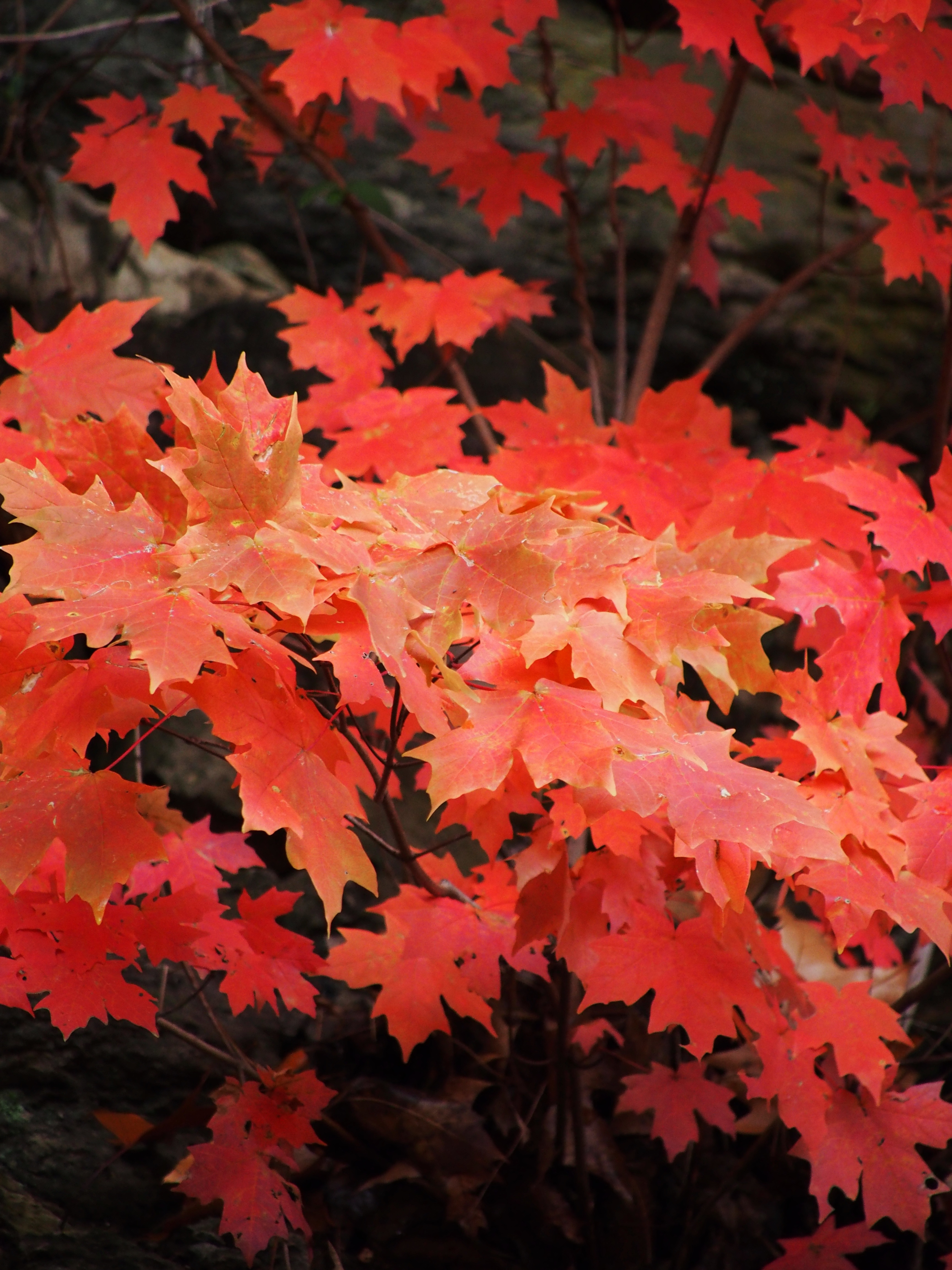
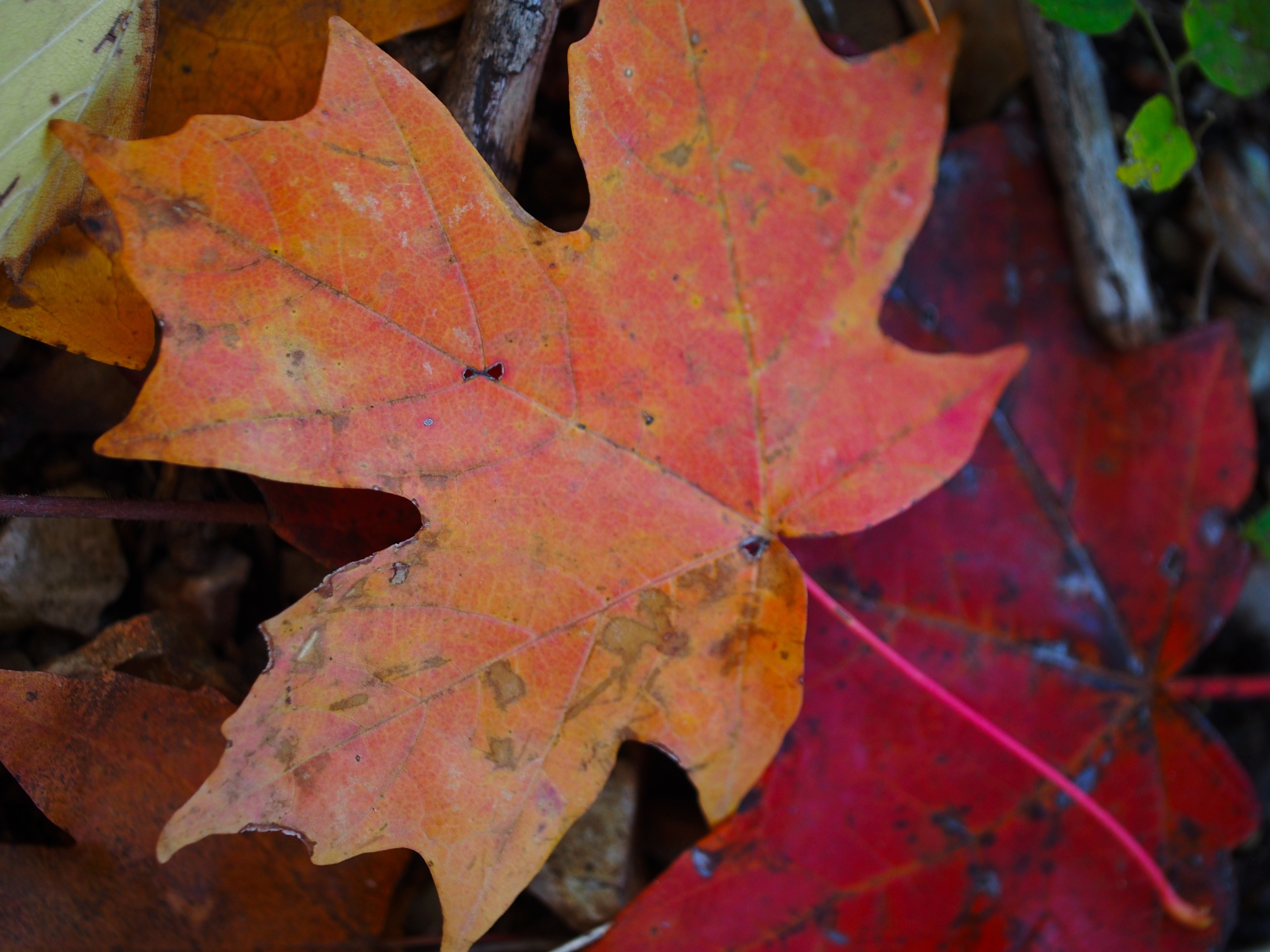
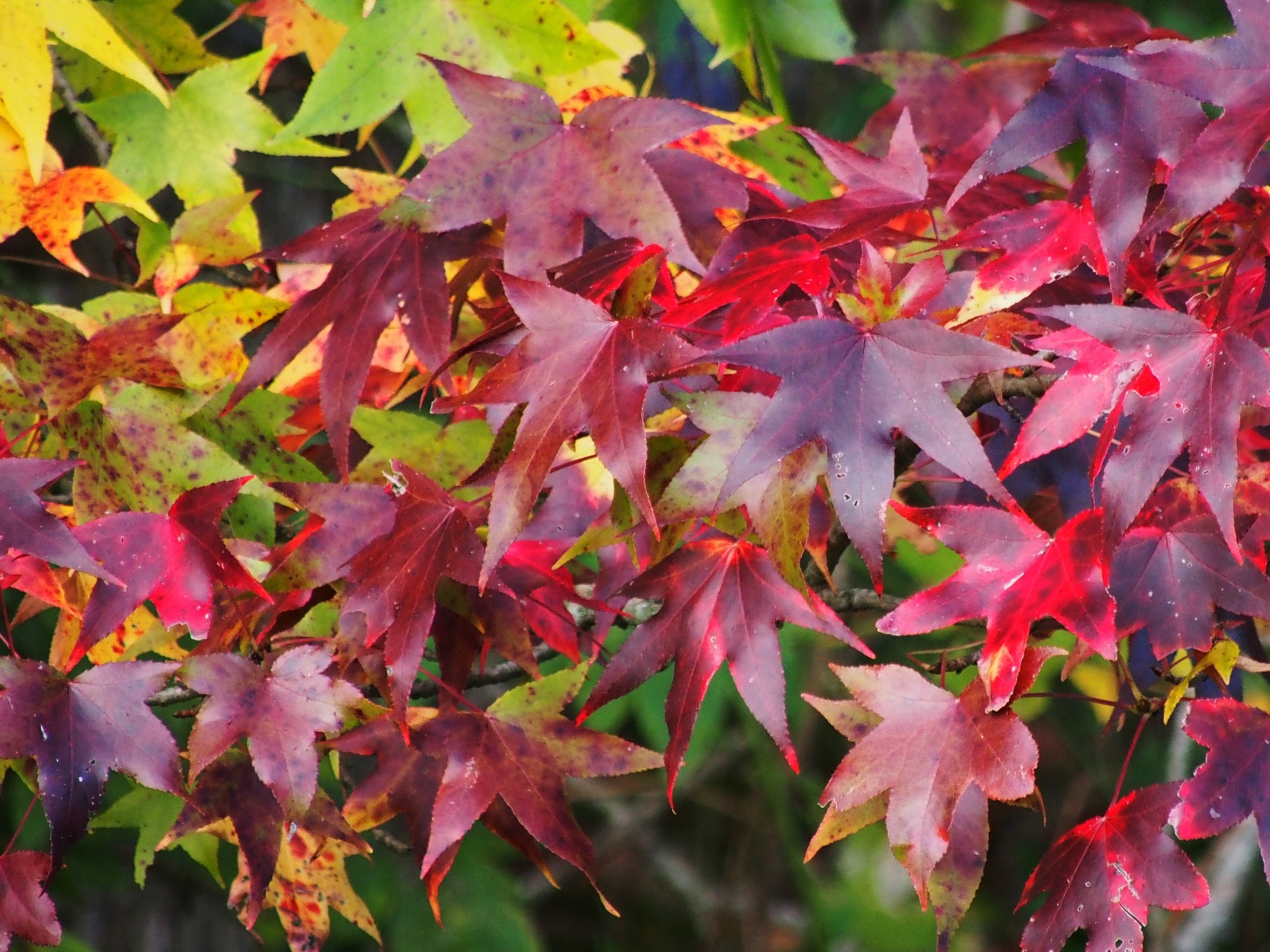
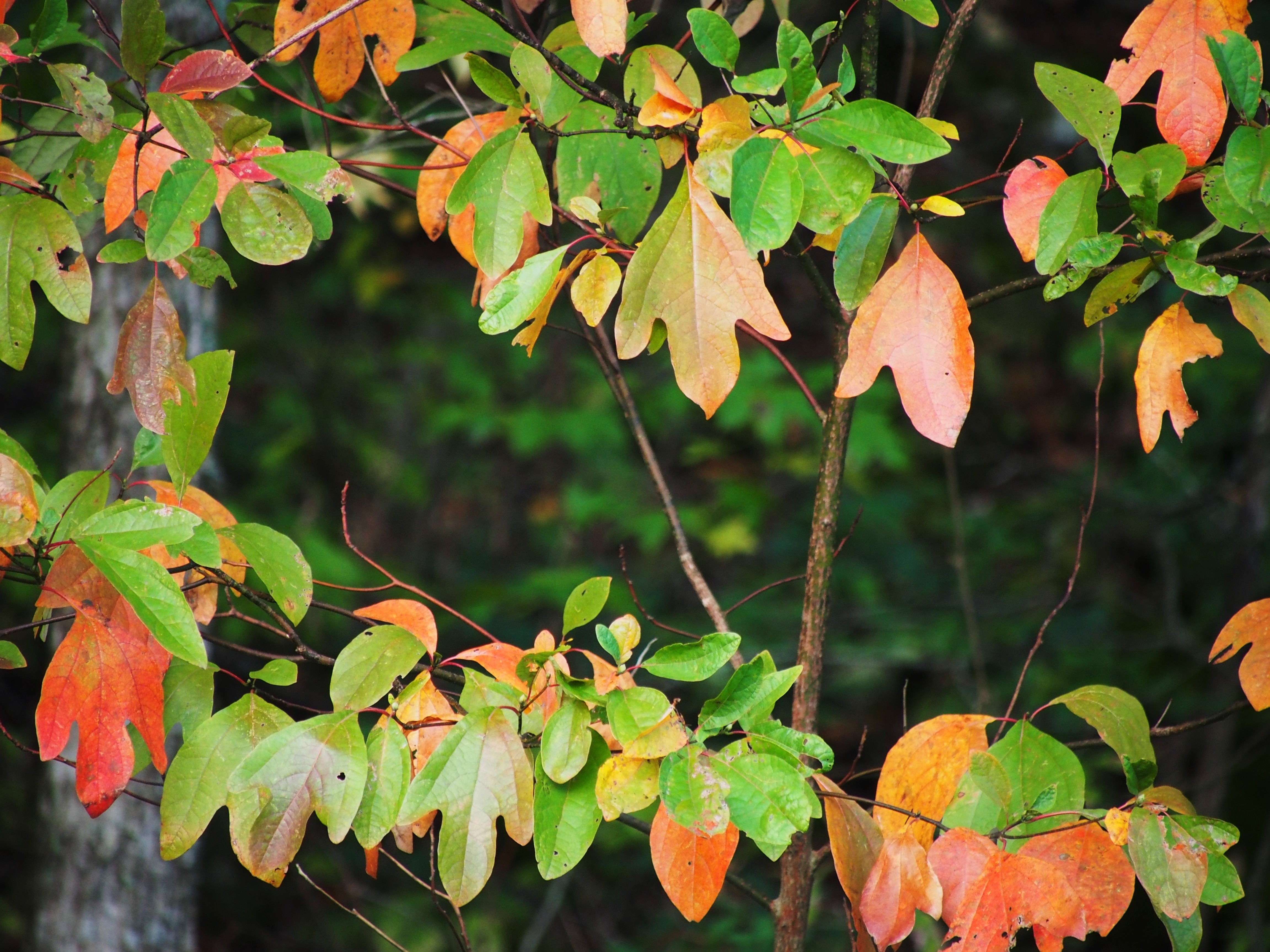
The maples and sassafras go through an orange stage on the way to red, but orange looks best on them.

20121019-175259.jpg

20121019-175311.jpg

20121019-175325.jpg
There’s a perfect shade of orange that happens just before brown. The sunshine makes it sing.

20121019-175340.jpg

20121019-175351.jpg

20121019-175424.jpg
Orange in the sunlight makes my soul sing.

20121019-175501.jpg

20121019-175522.jpg
Don’t miss out on the orange, it’s here and then it’s gone.

A Downy Girl Drops by the Buffet

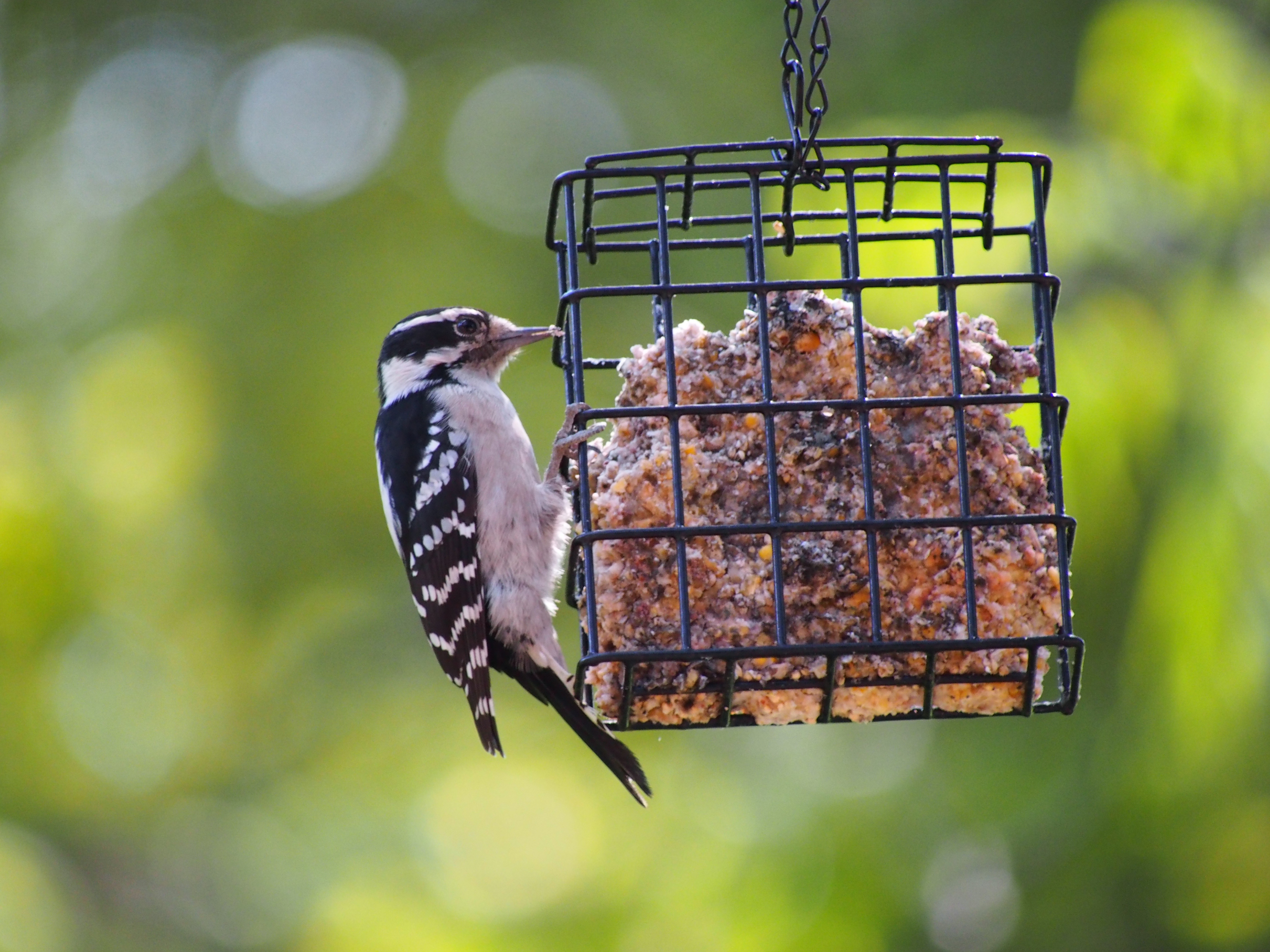
I’ve posted before about my exploits creating a woodpecker feeder for my wild bird buffet. I have one very consistent customer – a red-bellied woodpecker who shows up almost daily. But recently a lovely little girl has been dropping by. She’s a little shy and not too sure about that big feeder, but she’s clearly attracted to the suet section of the buffet.

She’s a Downy Woodpecker – just a bit bigger than a nuthatch with a similar acrobatic flying style. She’s easily spooked so I stayed very still to get some shots of her…

20121017-113513.jpg

20121017-113524.jpg

20121017-113557.jpg

20121017-113618.jpg

The light was perfect the evening I shot these. No editing, no cropping, just straight out of camera goodness. These are 4 of the six shots I got off before she departed. Sometimes things just work out that way.

I’m hoping she returns often and gives that fancy feeder a try. She seems to prefer peanut suet to the berry that the others like – I’ll be adding it to the menu.

Topsy-turvy Nuthatch

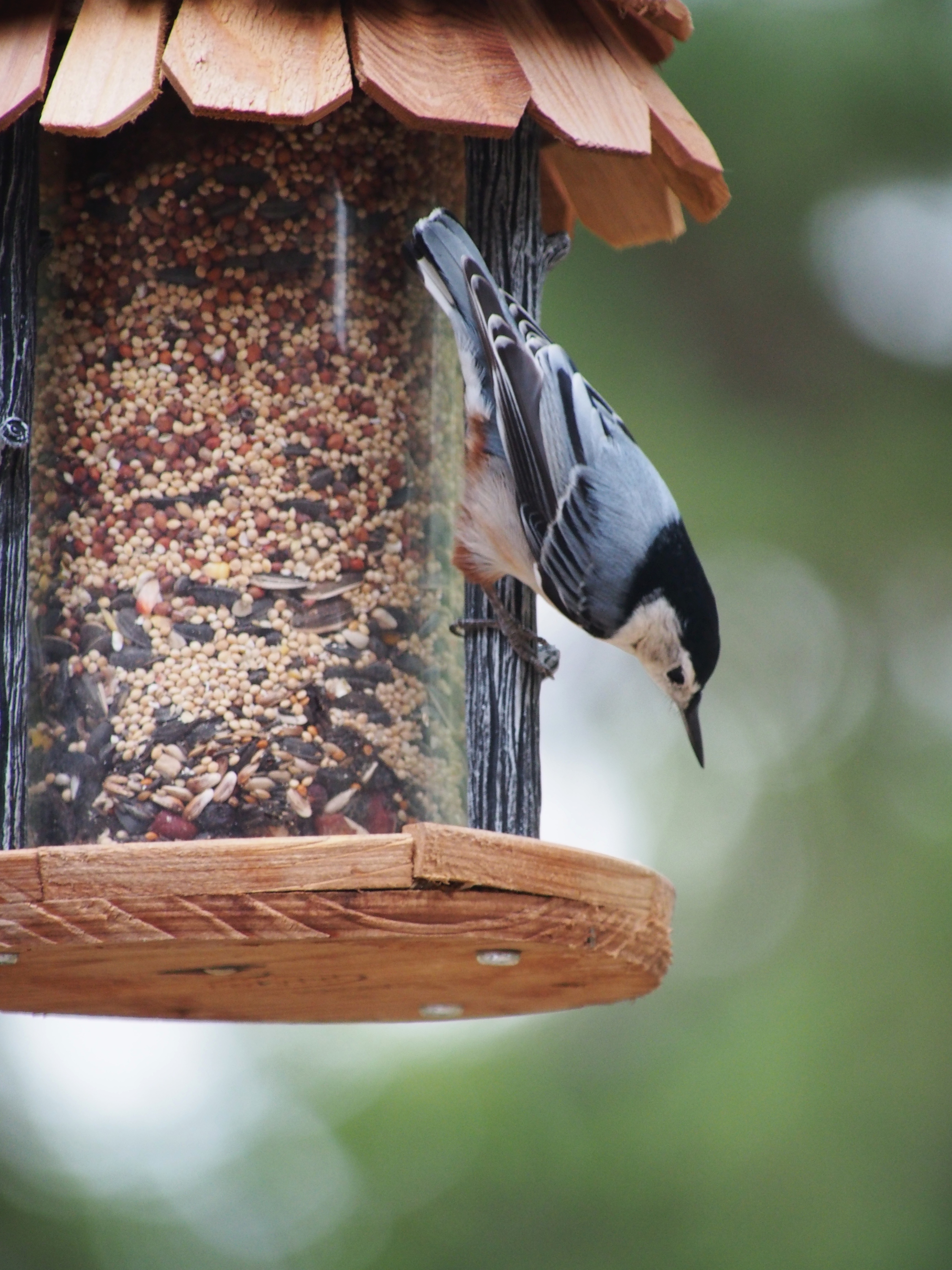
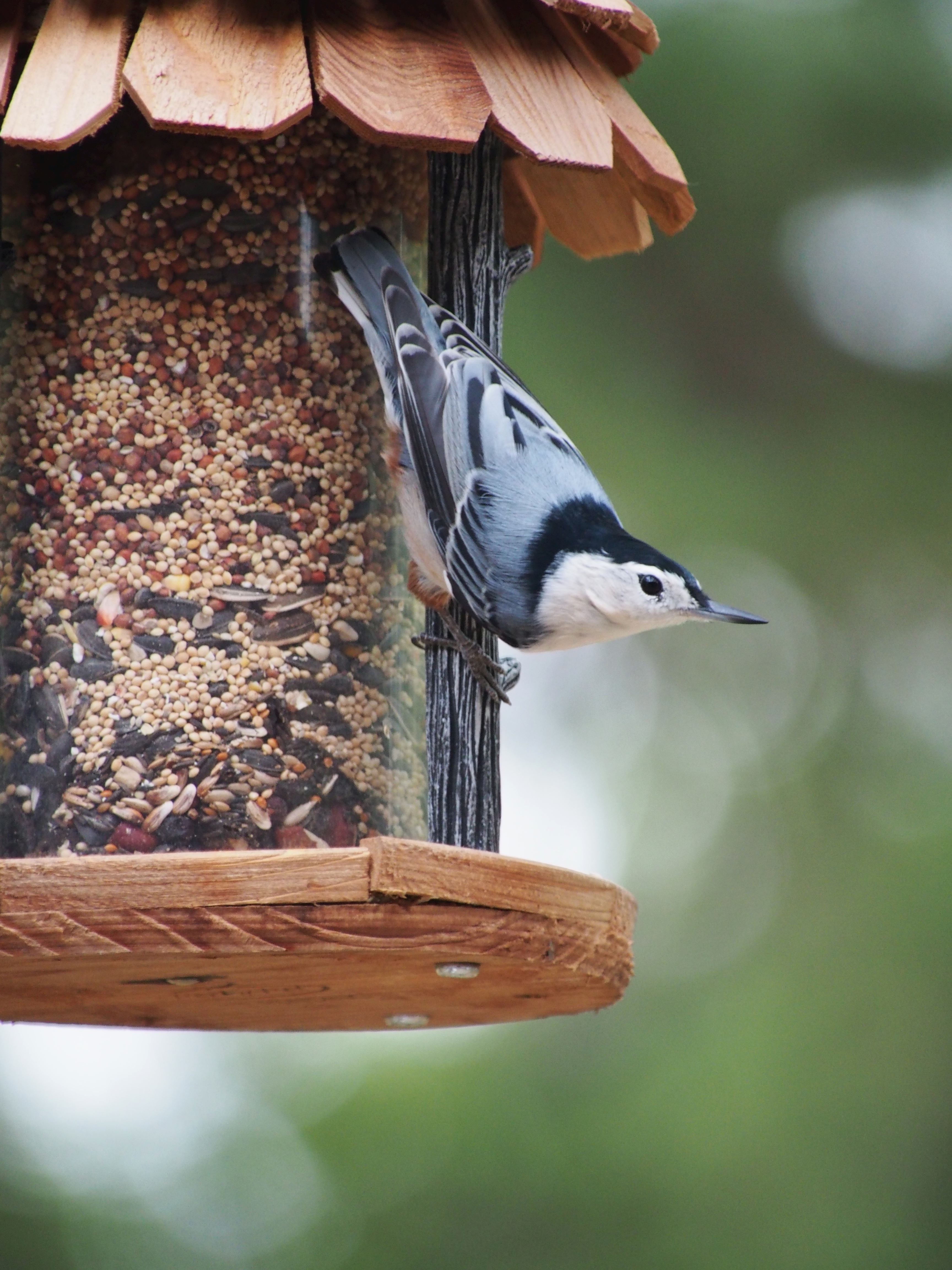
When I set up the buffet last spring, the nuthatches were my first regular customers. They were the first to decide I was unimportant to their dining experience, the first to try out each style of feeder, and the first to just hang out with me. They seem to prefer to do all of this upside down.

Upside down on the landing…

20121016-130158.jpg

20121016-125249.jpg

20121016-125309.jpg

20121016-125340.jpg

Upside down as they eat…

20121016-125933.jpg

20121016-130018.jpg

20121016-130846.jpg

Upside down as they throw me a pose… (Seriously, they get style points from me for this – it’s acrobatic)

20121016-130921.jpg

20121016-130935.jpg

And upside down as they check me out…

20121016-131017.jpg

20121016-131037.jpg

Now, to be fair, they do fly right-side-up, mostly.

It has begun…

After a long summer’s drought the forecast is for COLOR!

It’s just starting, here and there, but it’s coming. I was driving home about 10 days ago and saw my first glimpse – Virginia Creeper wrapped around the trunk of a dead oak. I parked the jeep and hiked into the woods to get a look. Mosquitos everywhere and too much glare, still I found some color on the forest floor where some of the creeper had fallen

20121011-173205.jpg

20121011-173217.jpg

Last Saturday I got a chance to walk around my property, there are some volunteer trees – not sure what kind, but they showed the first color. These are in a space I quit mowing about 5 years ago – birds nest in them in the summer and they show great color in the fall.

20121011-173228.jpg

On Sunday I got just a small peek at the color to come in the Boxley Valley where I shoot elk. Not great shots, we were in a hurry and I shot these from the car.
Maples.

20121011-173239.jpg
Sassafras.

20121011-173252.jpg

The days are getting shorter so it’s almost impossible to shoot after work. I look forward to those crips autumn weekends where I can get lost in the leaves.

What’s the color like where you are?

Paparazzi

20121009-163959.jpg
Dang! Surrounded! You watch that one and I’ll watch this one…


20121009-173611.jpg
Whew! Just a camera. Hey, make sure to get my good side…


20121009-171453.jpg
I hate it, they all show up with their cameras when my antlers look a mess…


20121009-171508.jpg
Can’t you leave us to eat our breakfast in peace?


20121009-171536.jpg
OK – a couple of poses and that’s it!


20121009-171553.jpg
Don’t get my double chin…

George

20121008-181642.jpg

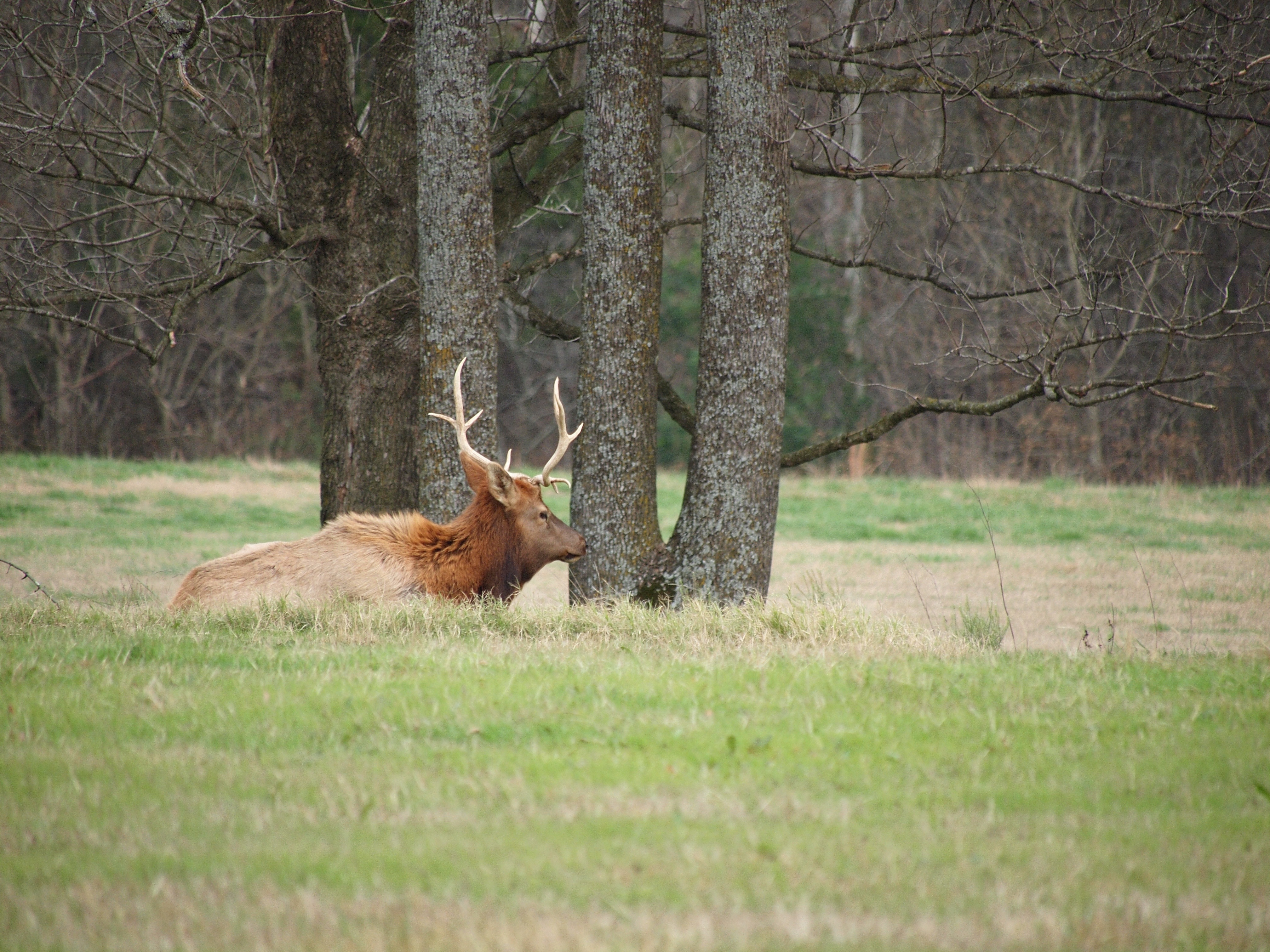
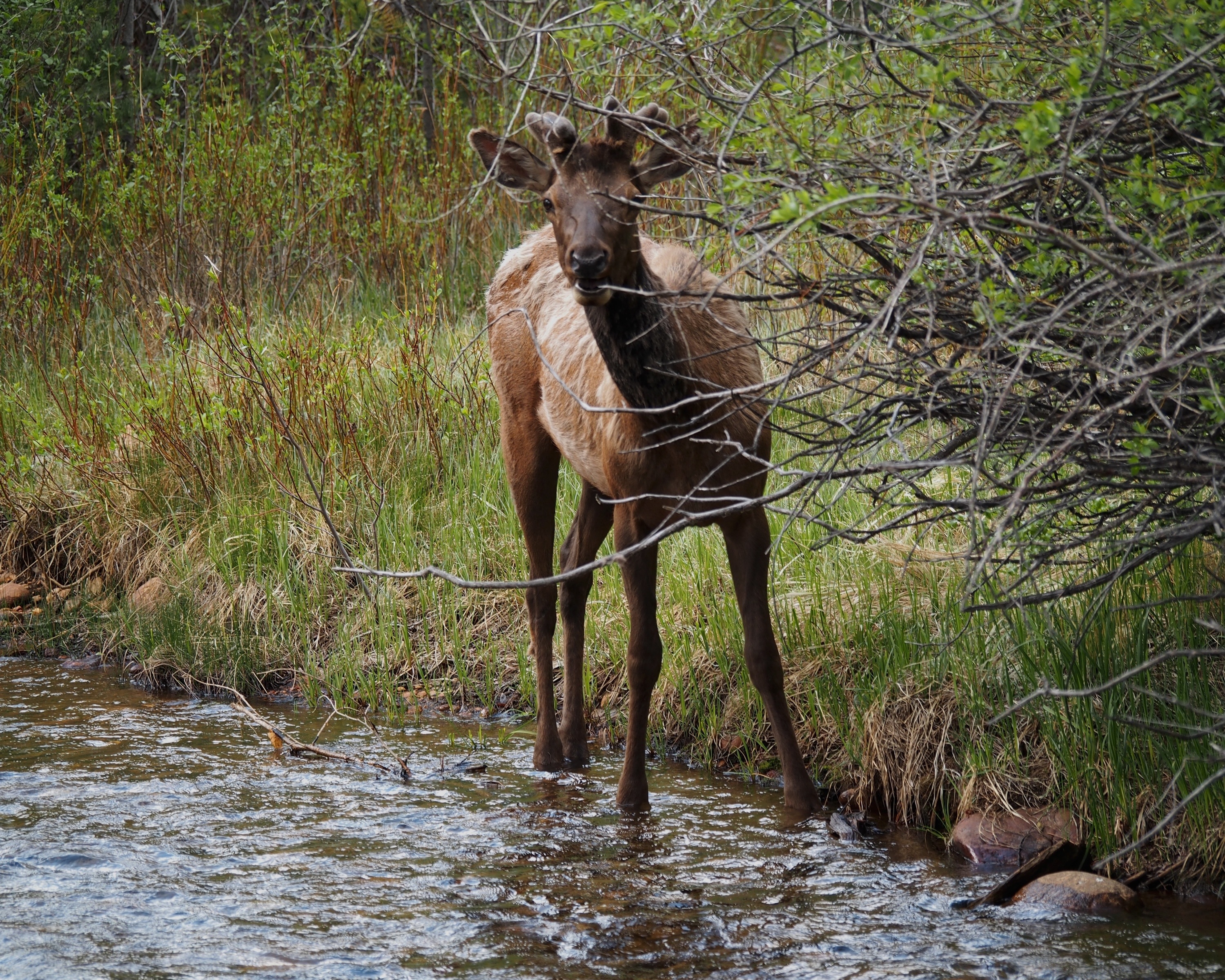
This is George – at least that’s what we call him. My friend Judy and I first met him last year. About 10 in the morning we spotted him laying down in the grass by the creek in the meadow. We left to grab breakfast and returned about an hour later to find him still lying down.

20121008-182056.jpg

Secretly I wondered if he was OK, he was the only elk we had gotten very close to that morning so I hoped I was just a worrywart. We scouted the rest of the valley, took some snaps and decided to check on him before we headed home. To our surprise, he was up and eating. Perhaps he was just lazy and decided to sleep in.

20121008-182544.jpg

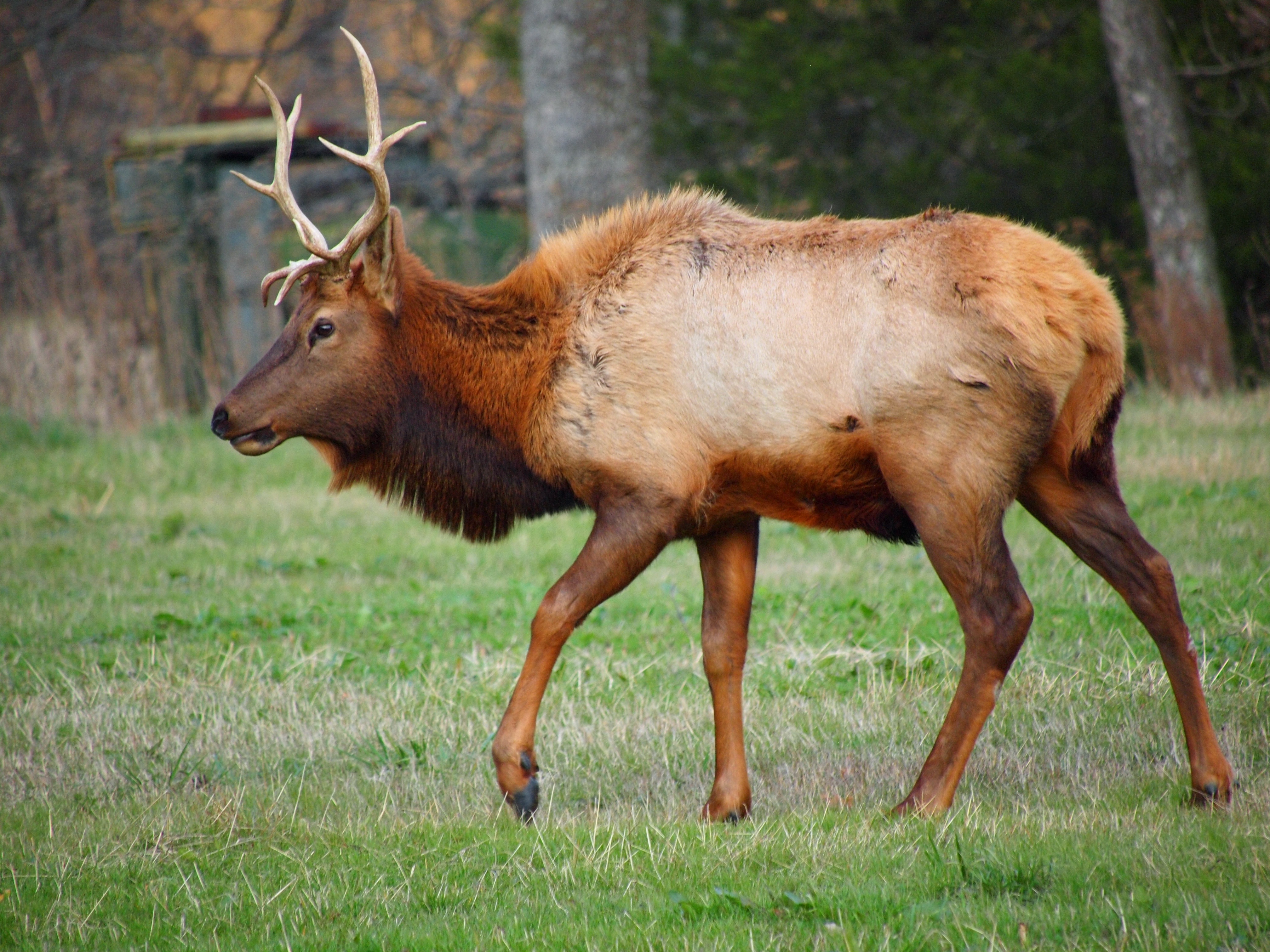
We noticed he was a bit odd looking, his rack didn’t have the same bold shape, he was noticeably sway-backed, and he was even knocked-kneed. He did seem pretty unaffected by our presence and looked up at us several times. He was kind of like that sad ugly puppy at the pound, everything about him was wrong, but I kinda wanted to take him home.

20121008-182702.jpg

Let me state for the record that I am no expert in elk development, George could have just been at that awkward stage, maybe going through puberty. I just don’t know. It does seem to me that he was off alone and didn’t carry himself like the other young bulls.

This year when I went to the valley for the first time I told Judy that I had seen George. She didn’t believe me until she saw my photos of him. He was in the same meadow eating in the same spot as though he hadn’t moved in almost a year. He might have another spike or two on his rack, but he was still our George.

20121008-182800.jpg

This week we saw our old friend again in the same meadow – he had moved about 100 yards north because it appeared that a farmer had mowed his favorite spot. We found him up early, grazing near the mist over the creek.

20121008-182920.jpg

I worked my way around the edge of the meadow for a better shot, maybe something that would show off part of the old barn in the background when I saw that George was not alone…

20121008-182931.jpg
George is almost always alone in the meadow, unlike the other bachelors he doesn’t seem to have a pal to hang out with. His friend in the trees seems to be taking a keen interest in George.

Of course his interest may have been purely in the trees. I wonder what kind of trees those are?

20121008-182943.jpg

20121008-182951.jpg

George and his neighbor got back to the business of grazing…

20121008-183004.jpg

Grazing and watching…

20121008-183013.jpg
I kind of liked the idea that the big guy stayed in the distance and let George take center stage.

George fascinates me. He’s not so majestic or graceful, he’s kind of crooked – kind of like me. Maybe that’s his appeal – in a species that’s so extraordinary, he’s not. He’s just George and that’s pretty special.

Look Me in the Eye

I had an artist reception a couple of months ago and someone asked me what inspires me.

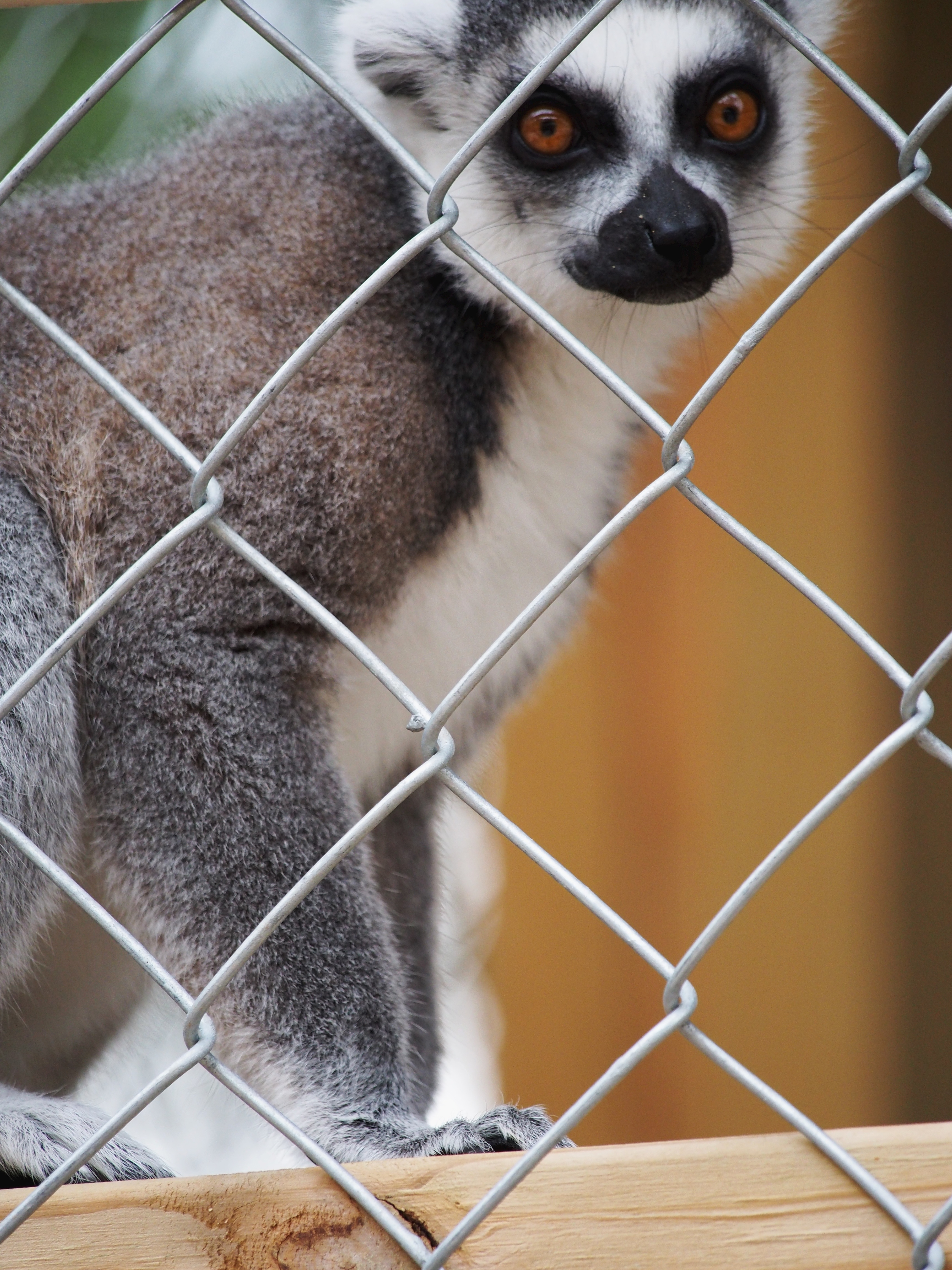
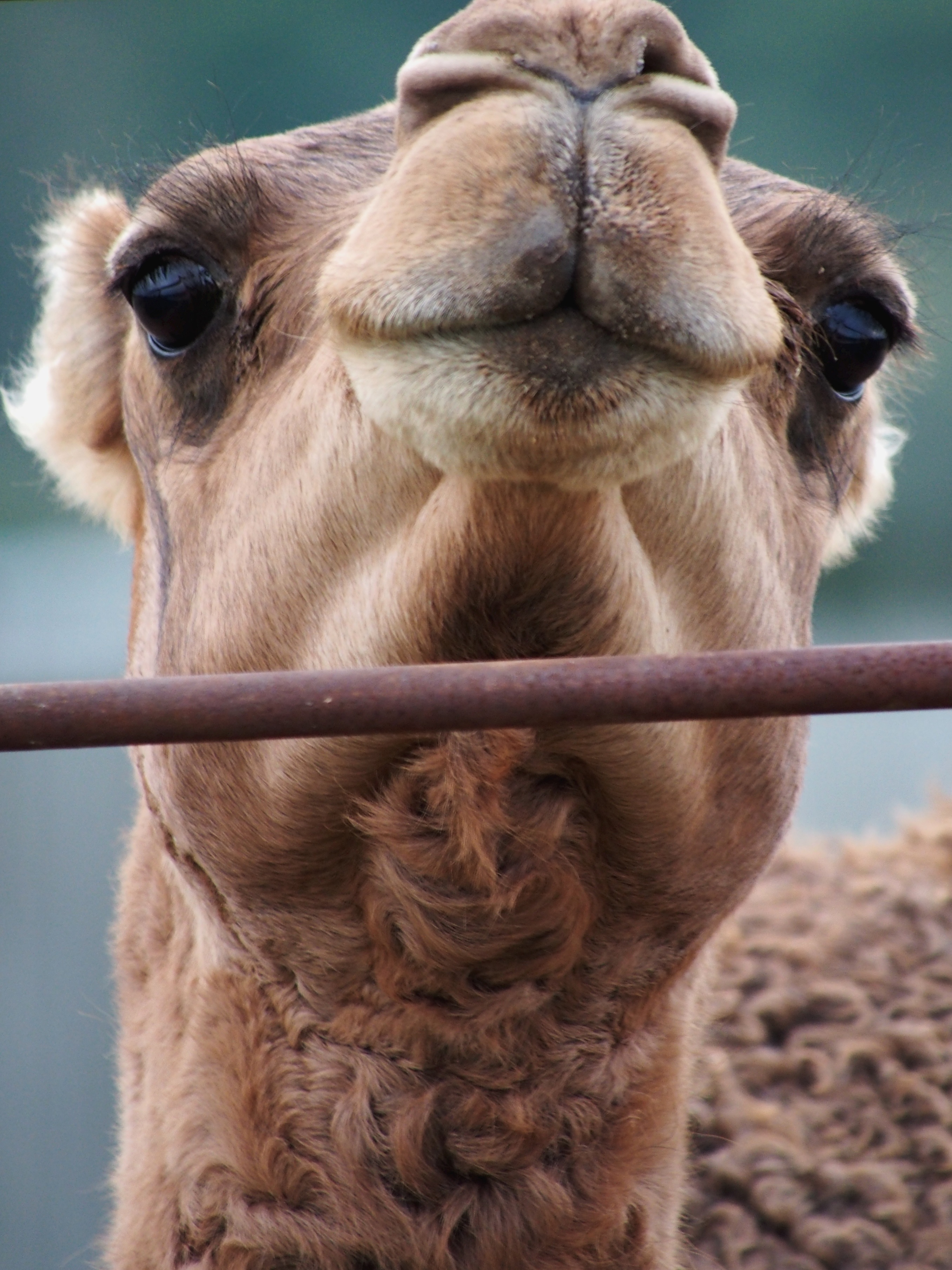
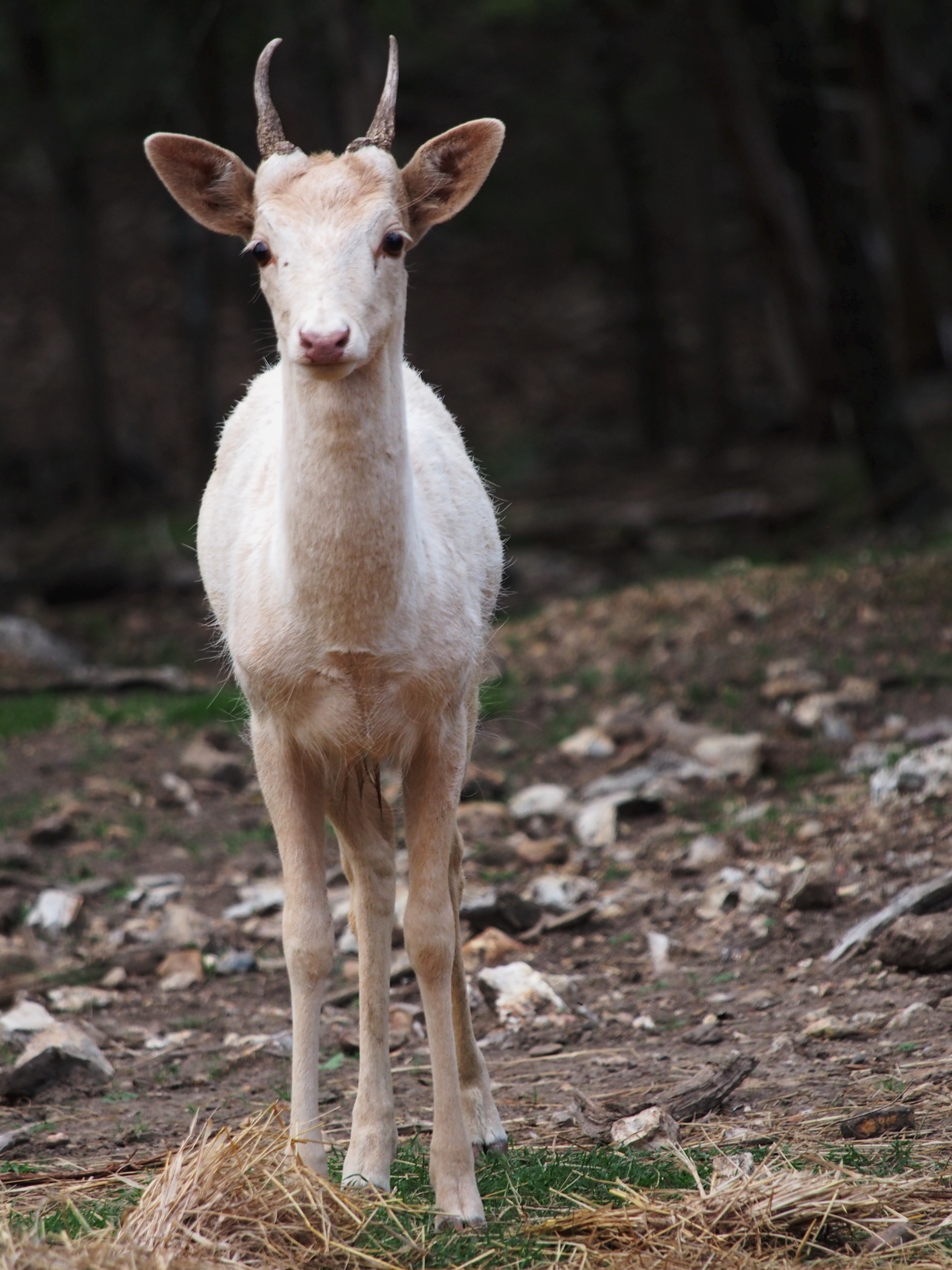
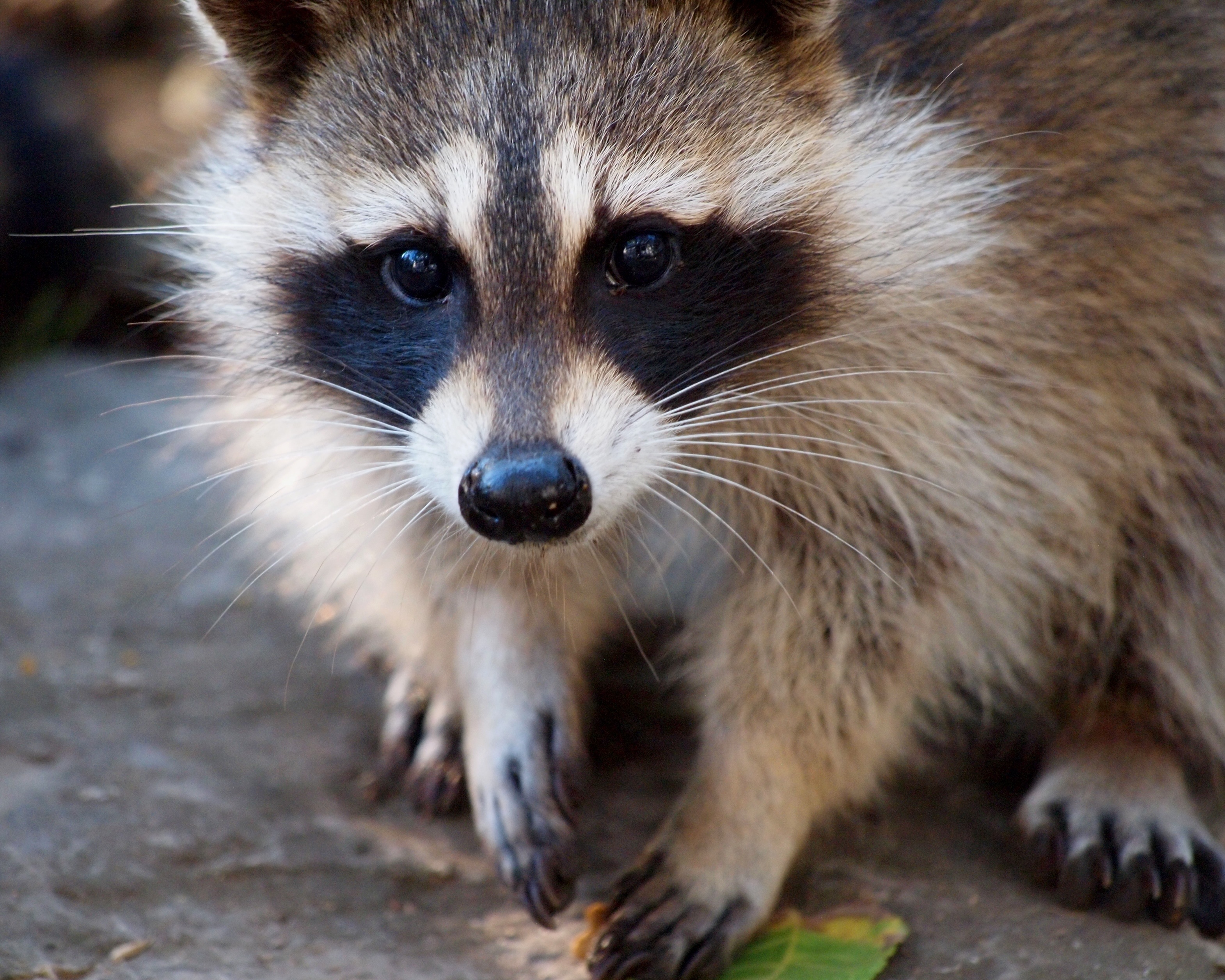
I know what I like to shoot, what draws my eye – but the things that inspire me are connections. It doesn’t matter if I’m shooting my Grandpa’s car keys, an antique car, a famous place, or an ostrich – I’m looking to make it personal. I’m looking for the shot that connects the viewer with the subject. Sometimes I succeed – sometimes, not so much. Connection is always the goal for me.

Here are some shots I’ve taken this year where the subject has chosen to make a connection with me. It always amazes me when this happens. If you’ve ever tried to get a decent shot of your dog, you know how hard it can be. It’s nothing you can plan for, but when it happens…

20121005-172455.jpg

20121005-172527.jpg

20121005-172631.jpg

20121005-172656.jpg

20121005-172732.jpg

20121005-172751.jpg

20121005-172805.jpg

20121005-172827.jpg

20121005-172855.jpg

20121005-173012.jpg

20121005-173147.jpg

20121005-173237.jpg

20121005-173730.jpg

20121005-173744.jpg

20121005-173757.jpg

These may not be my best shots, but they are my some of best experiences shooting. Having a wild animal pause and look you in the eye is pretty amazing even if you don’t have a camera with you. I’ve noticed that so many animals are curious, maybe as curious as I am about them.

The Zebra – the Epitome of Graphic Design

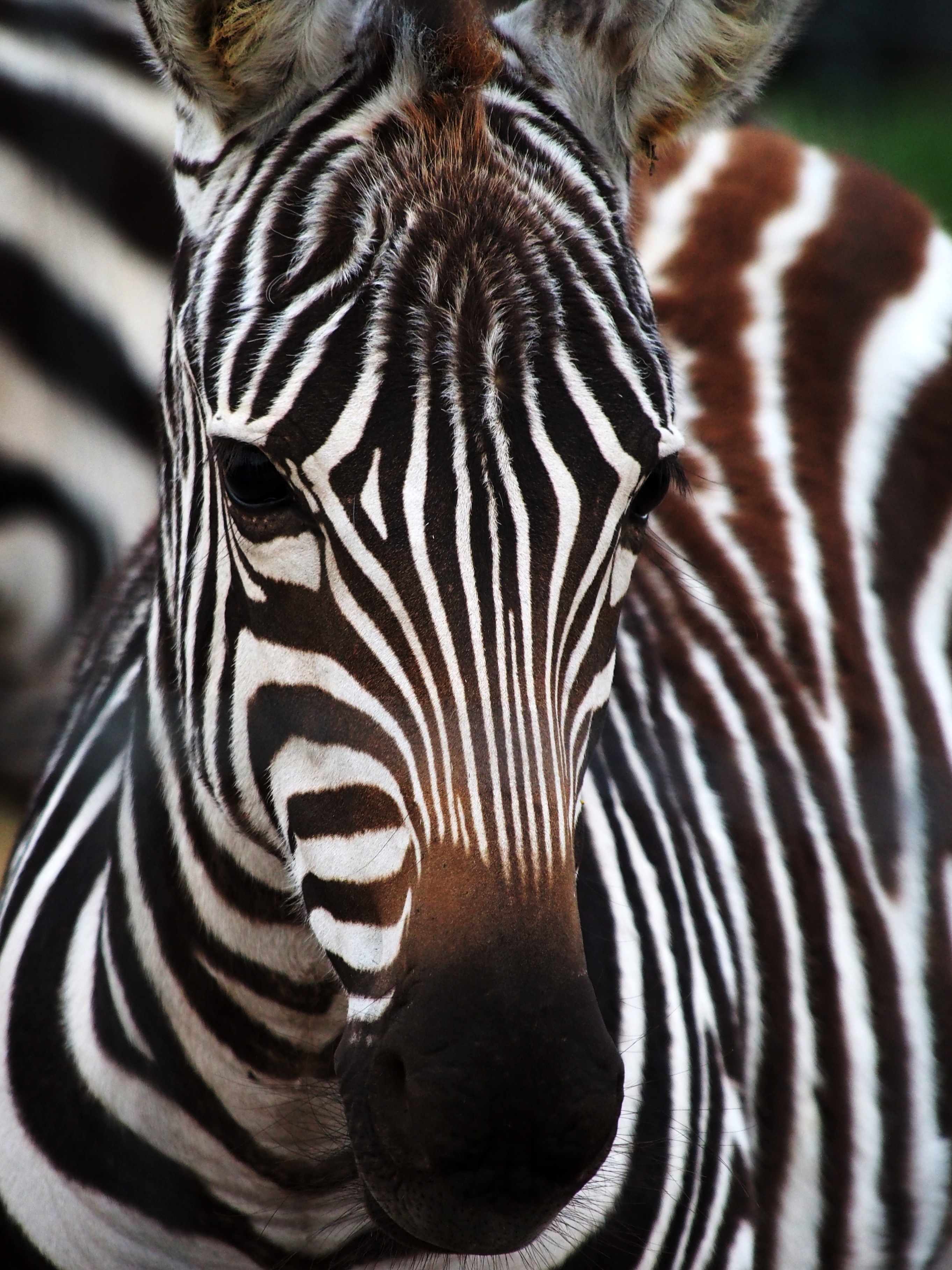
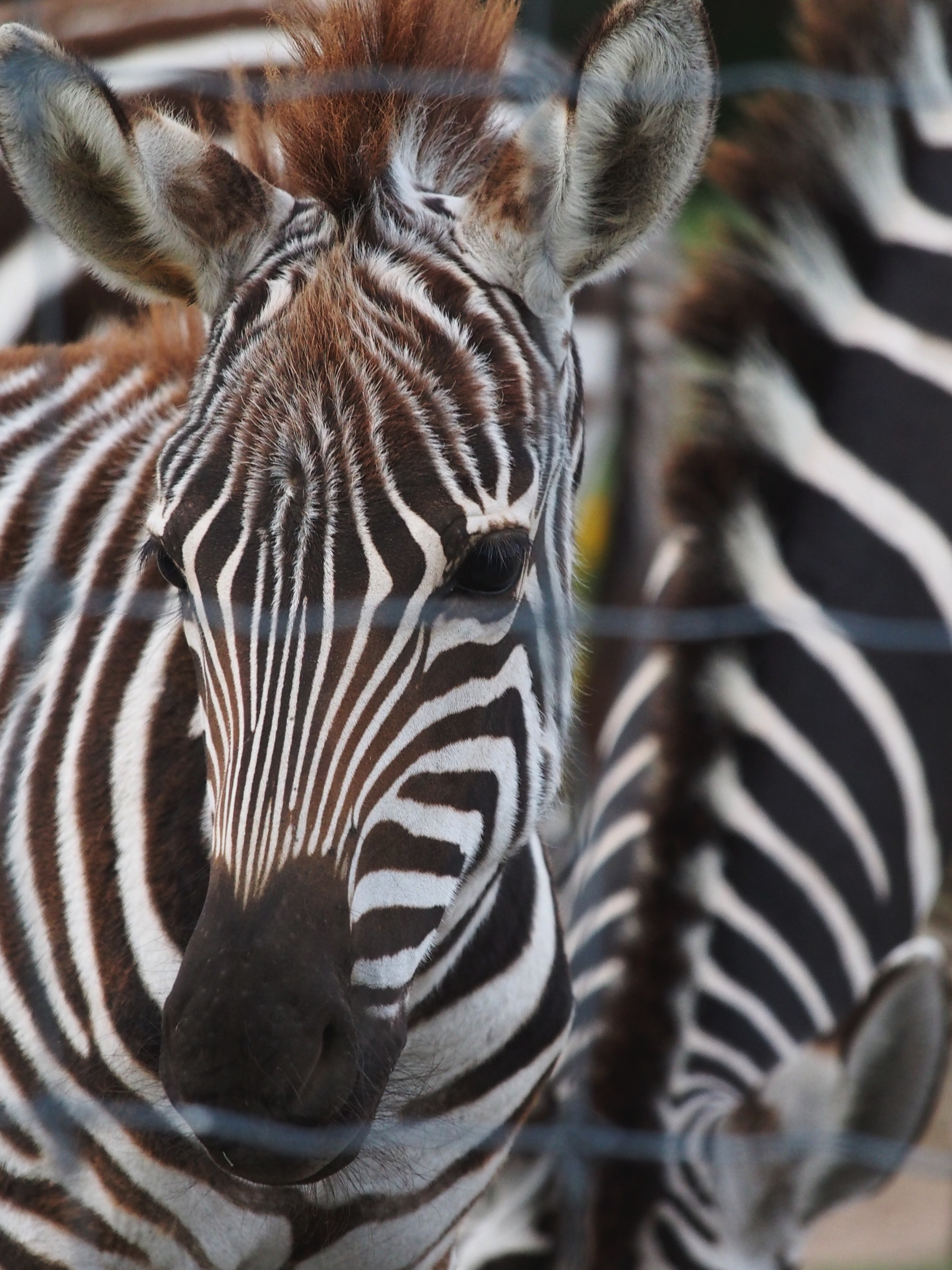
I’ve always seen the zebra as the epitome of graphic design – it has all the elements – line value, diagonals, white space…

20121002-125228.jpg
I was a Fine Art major in college. My emphasis was on life drawing. We would spend hours doing “contour drawings” where we would draw to actual contours of a model, never lifting the pencil from the paper. The idea was that when completed the dimensional shape would be evident in your drawing. Sometimes it was successful, sometimes not so much.

20121002-125327.jpg
I experimented with sumi brushes making the lines thick and thin in order to show depth along with contour and I was a bit more successful with that method in creating something that was closer to being art and not just an exercise.

20121002-125310.jpg
None of my experiments even approached the success of the lines of the Zebra – curving over the curved parts, widening over the wider parts – unfurling like the waves of a striped flag in the breeze.

20121002-125336.jpg
It’s the ultimate use of negative space – show just the white on black and it’s all there, show the reverse and its design is just as successful.

20121002-125406.jpg
How amazing is it that these stripes serve as camouflage in an environment made up of golds and browns. A brown and gold striped horse on the African plains would have been just as successful, yet this bold design works just fine in the presence of color blind predators.

20121002-125441.jpg
Super-clean lines, completely functional design, bold styling – just perfect.

These Grant’s Zebras are a part of the herd living at the Promised Land Zoo just north of Eureka Springs, Arkansas.

The Boys are Back – a Third Chance for Elk in Arkansas

At the dawn of the 19th century, settlers in Arkansas found themselves in a land of amazing biodiversity. Vast herds of elk roamed the hills and hollows of the Ozarks. Those settlers saw the ancient forests as expendable resources. They harvested the timber and exported it to their neighbors to the north and they hunted the great eastern elk into extinction. By 1840 there were no elk left in the Ozarks.

For almost a century the sound of the bugle was gone from the meadows along the Buffalo River. In 1933 11 Rocky Mountain Elk were transplanted to Arkansas. They thrived in the same meadows where they had lived since before the coming of the white man. The Wapiti were once again roaming in those ancient meadows. Those 11 transplanted elk grew into a sustainable herd of over 200 animals.

By 1955 the elk had completely disappeared once again. The destruction of their habitat and poaching lead to the complete devastation of the restored herd.

In 1981 the Arkansas Game and Fish Commission attempted a second restoration. Over the next 4 years 112 elk were gradually transplanted into Newton County along the banks of the Buffalo.

Today a healthy and monitored herd of over 500 populate 5 counties. Almost a hundred live in the Boxley Valley alone.

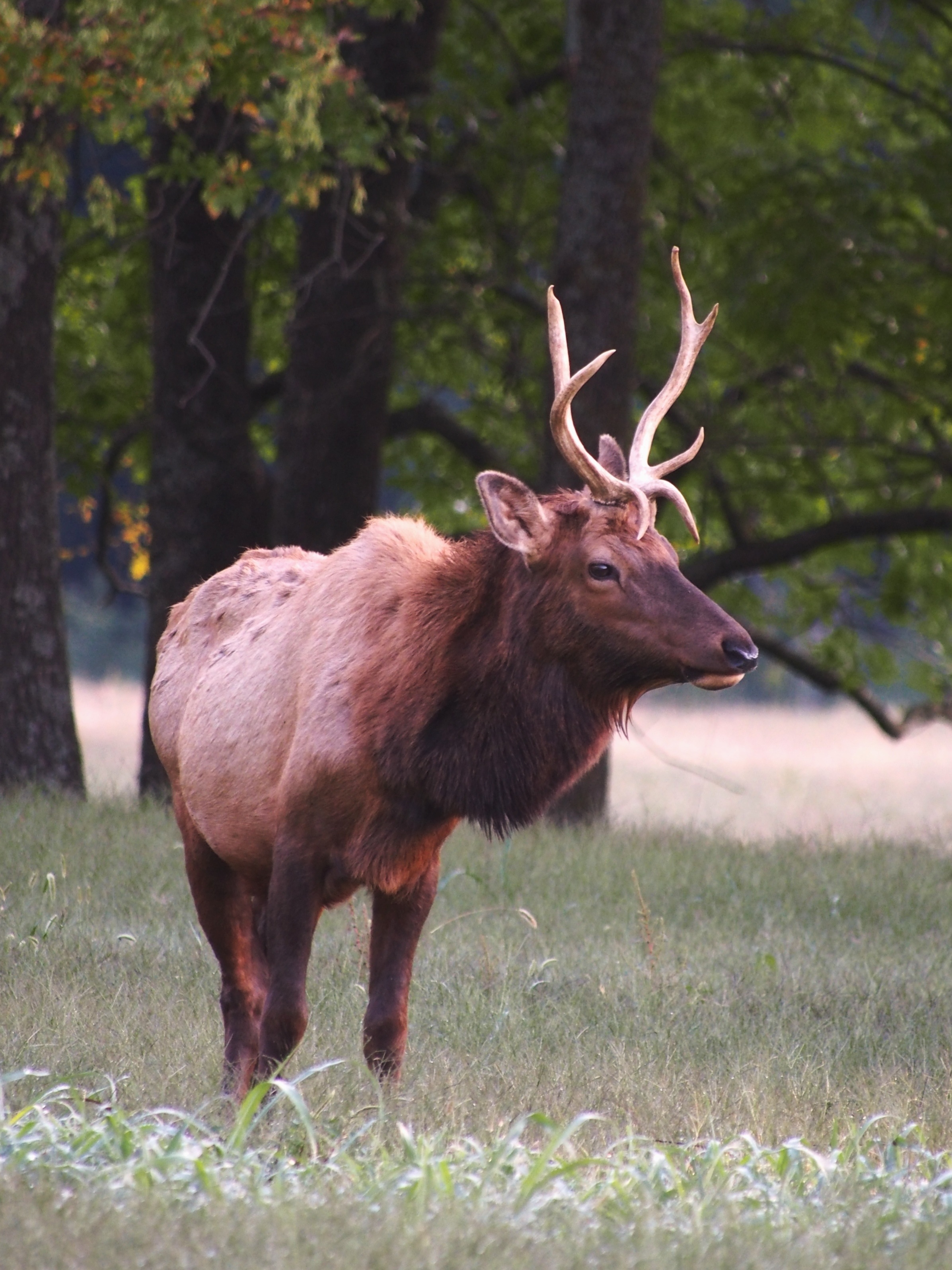
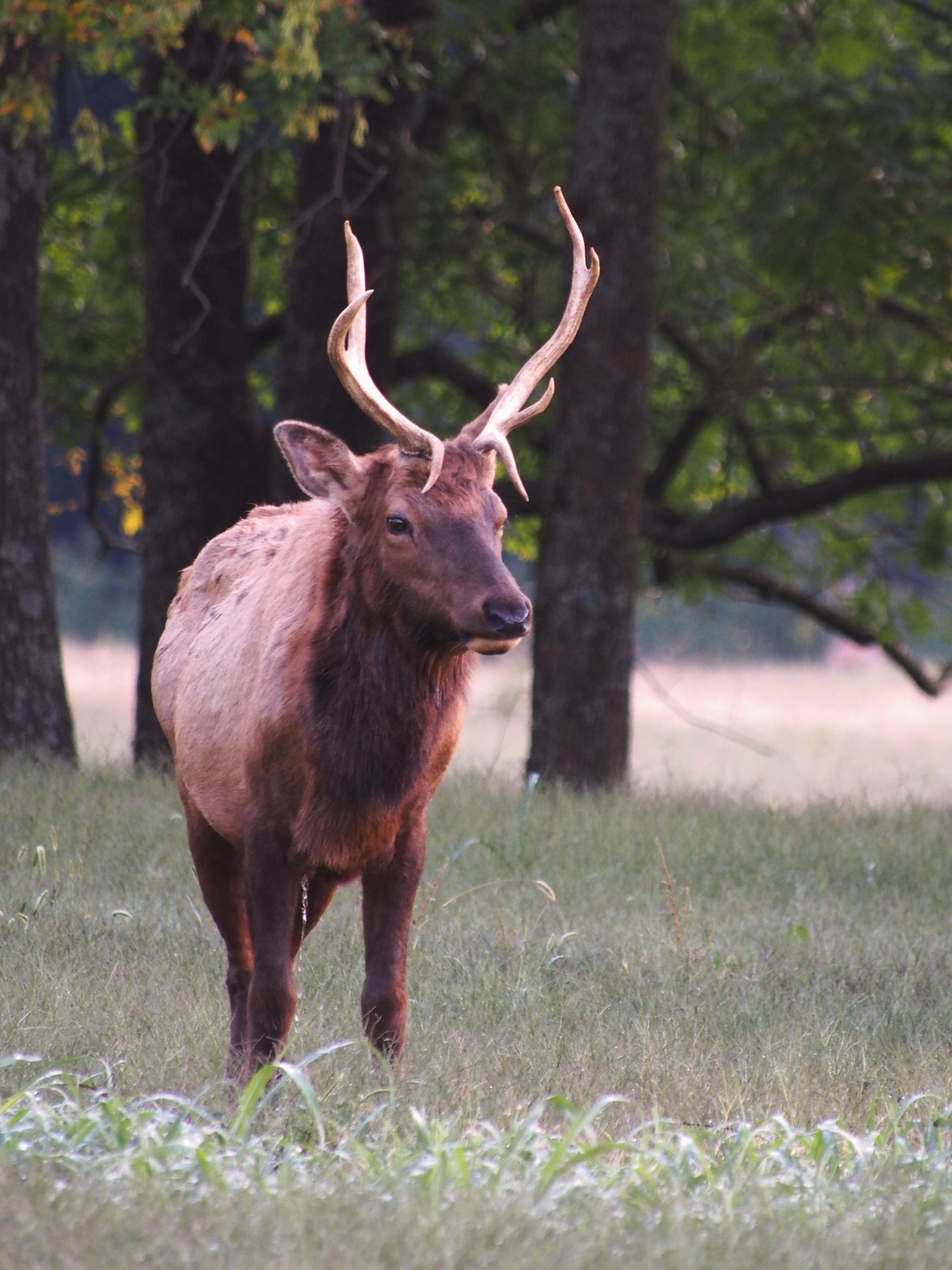
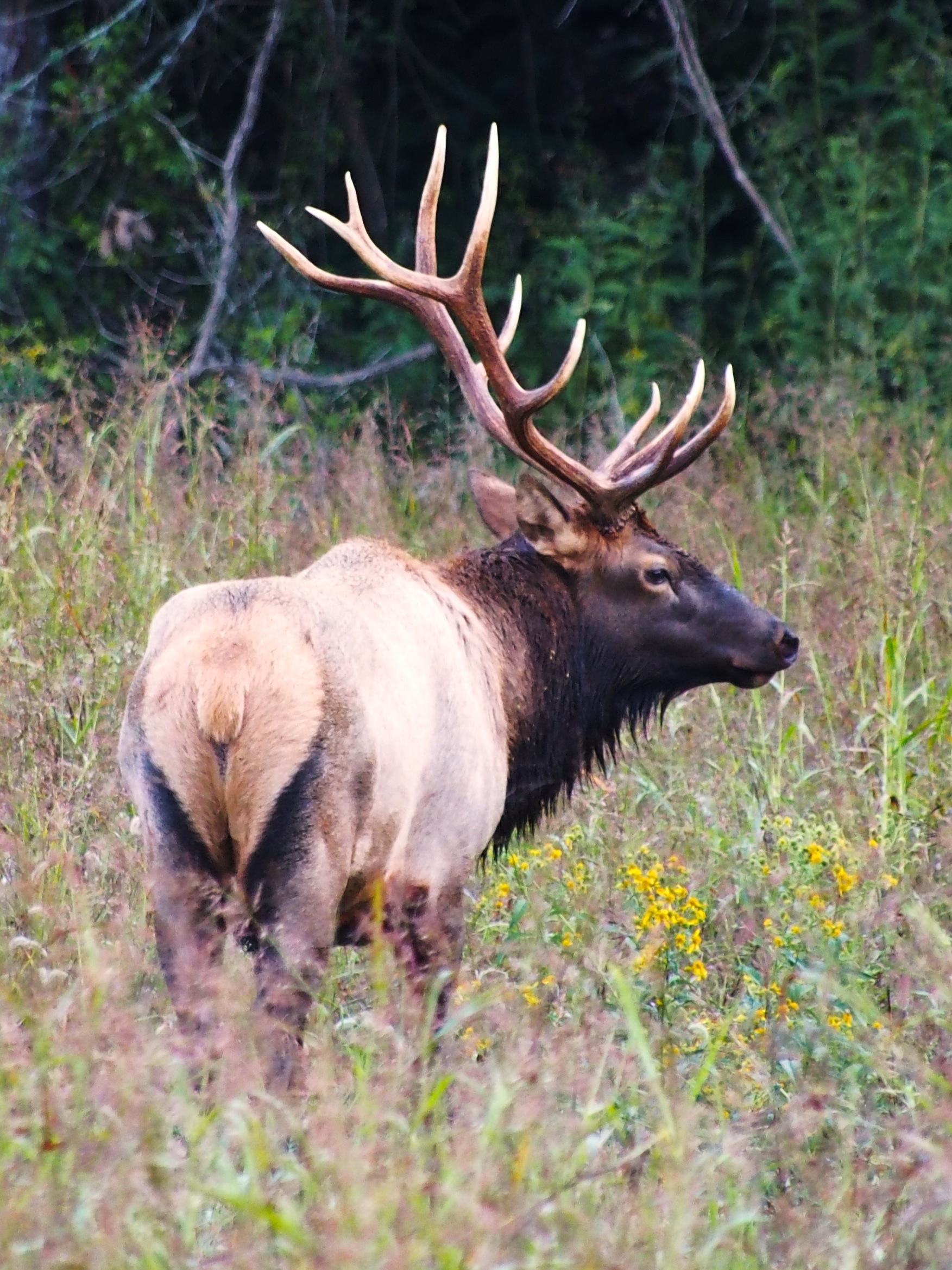
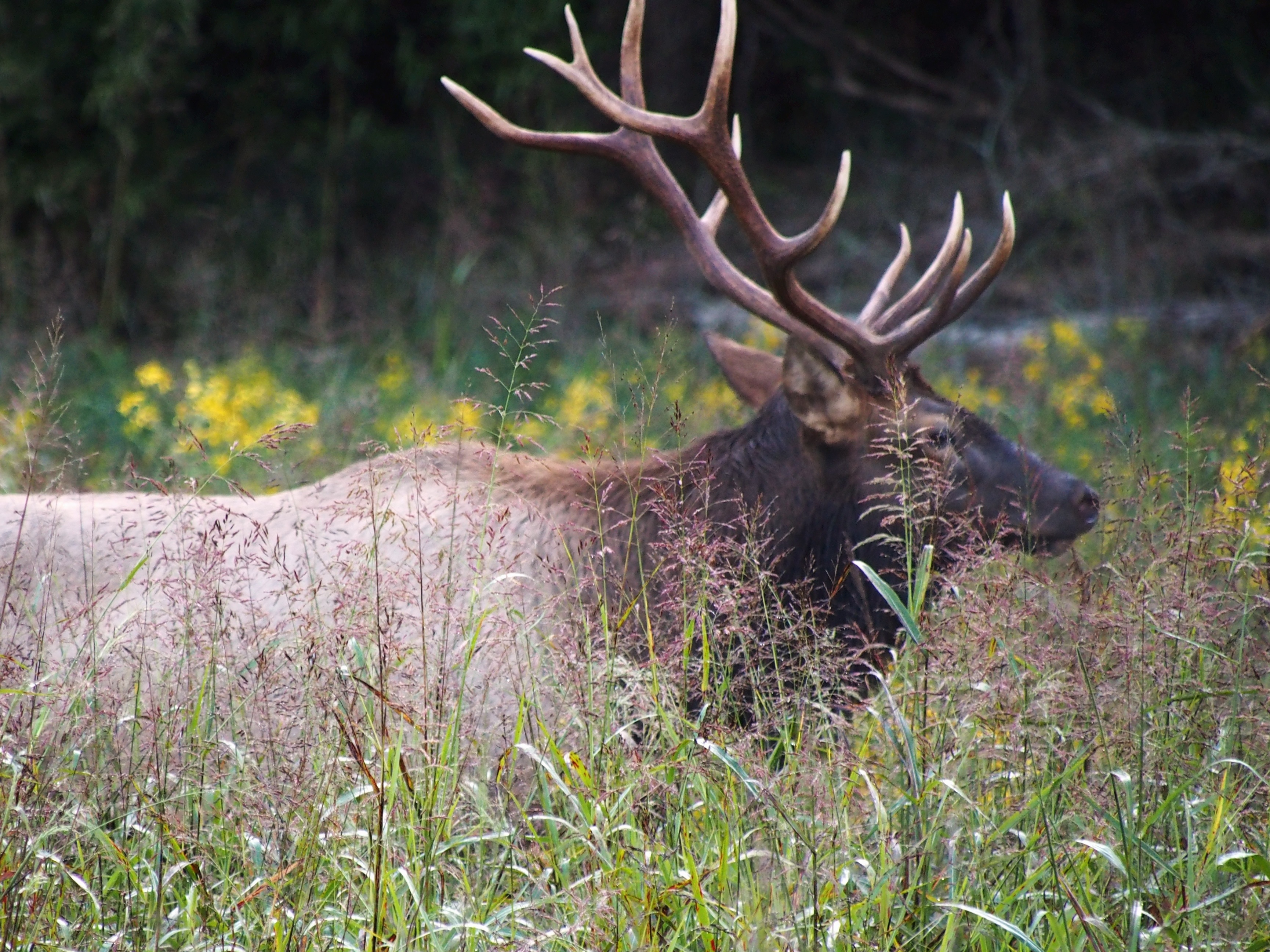
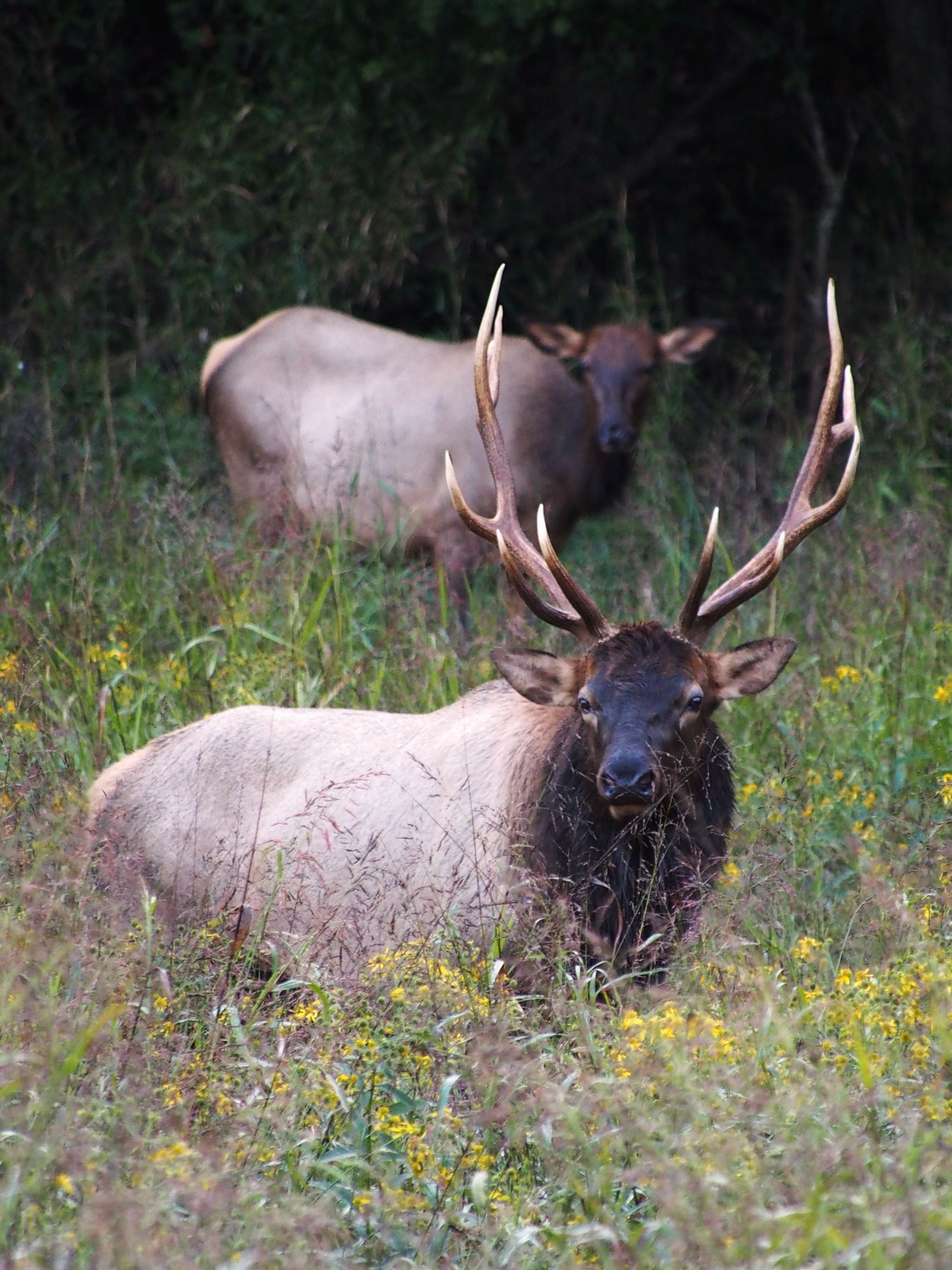
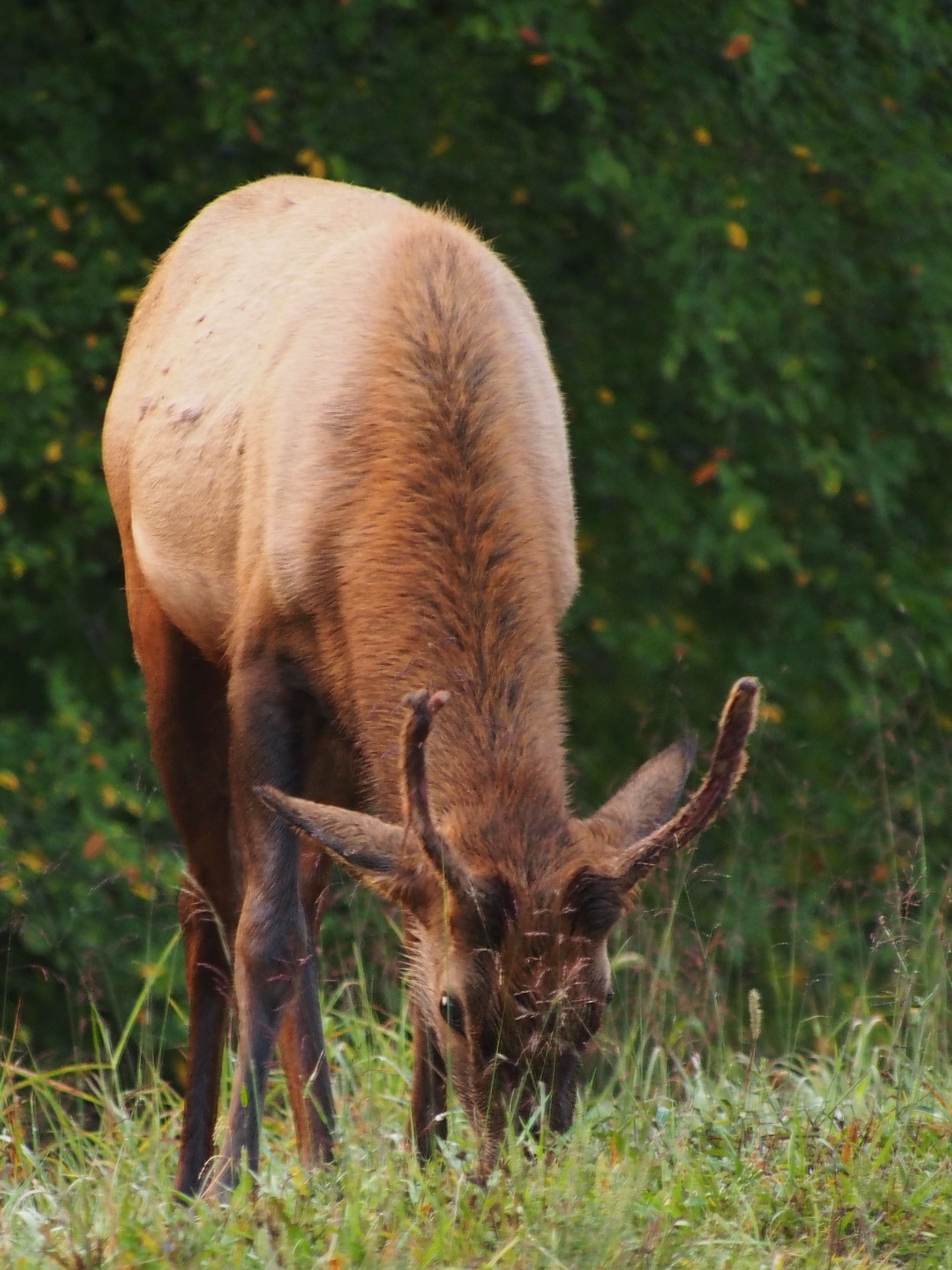
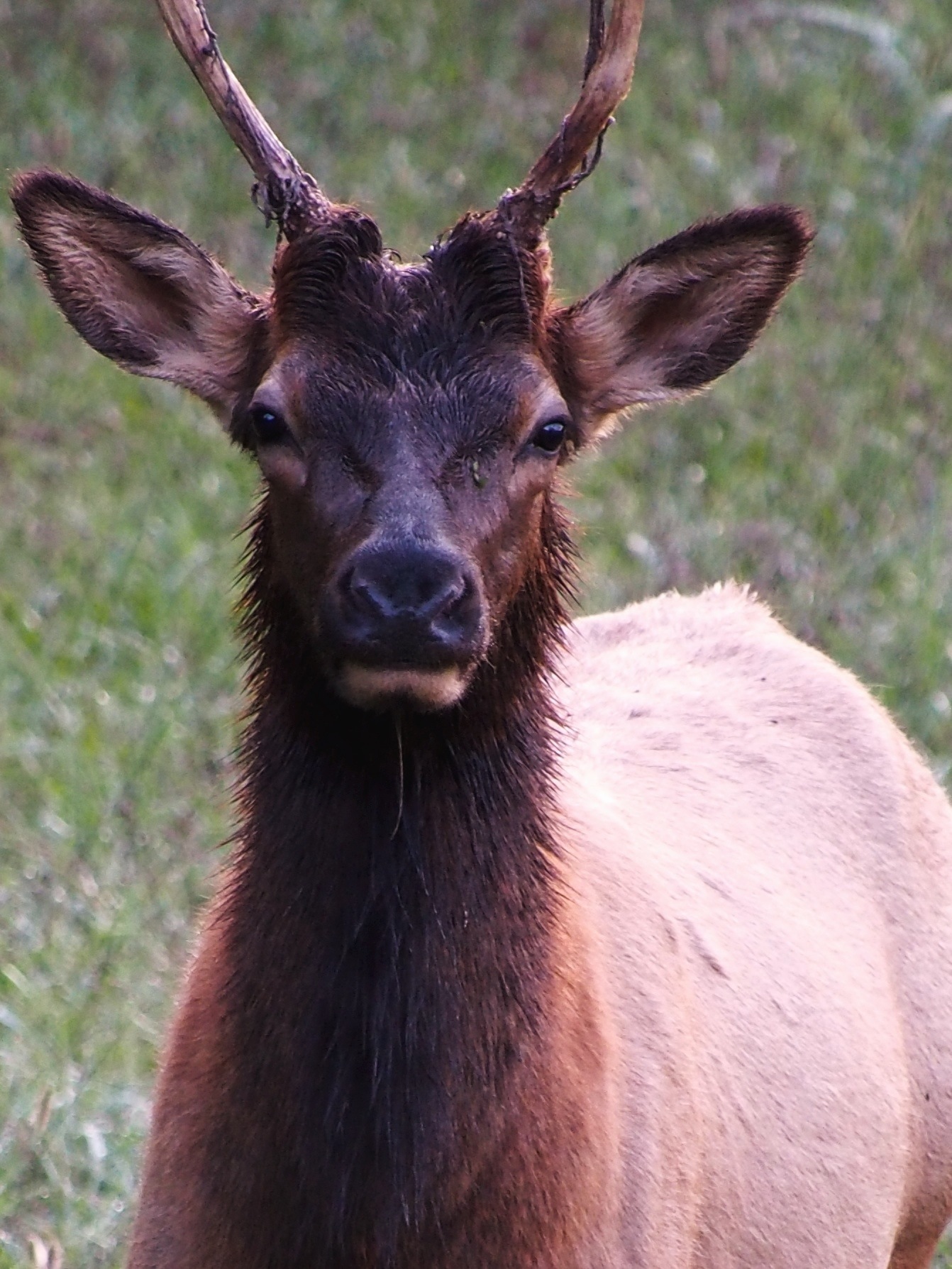
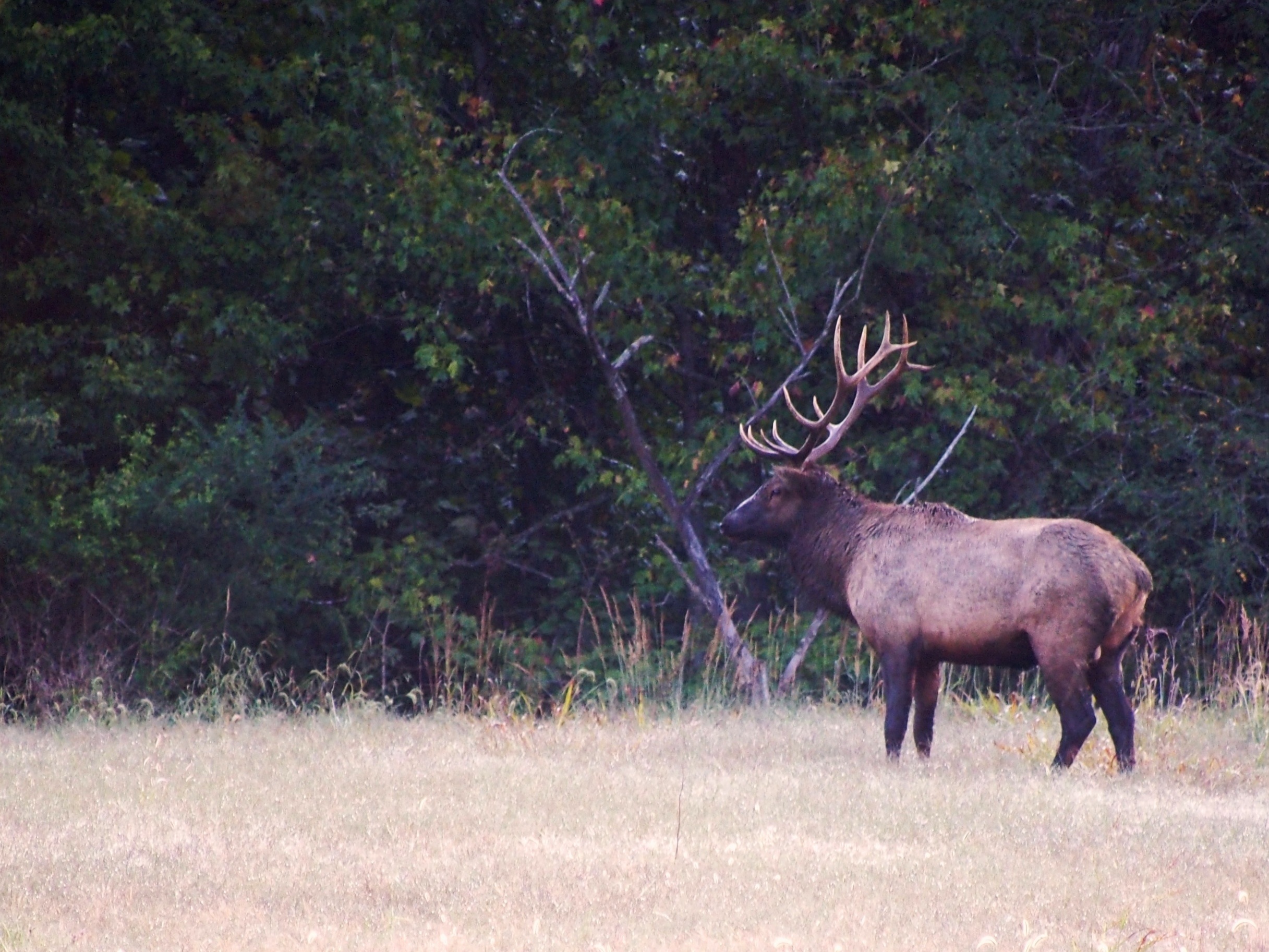
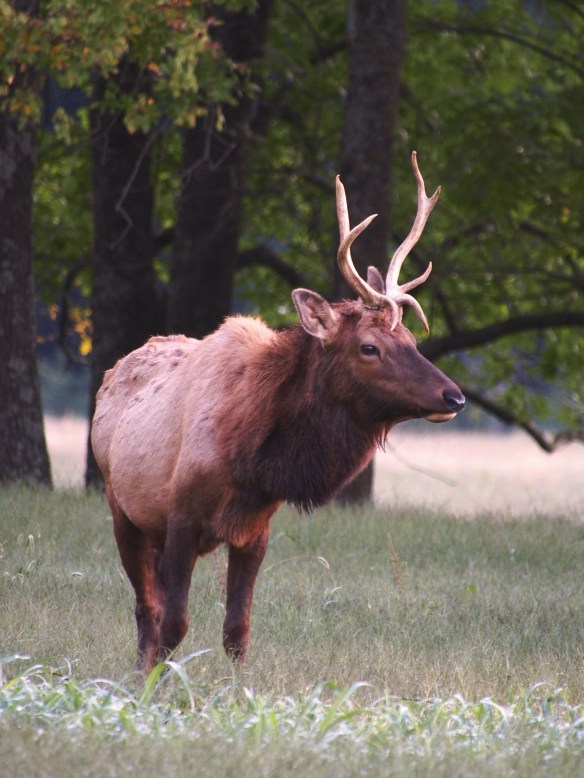
Here are some shots I took this weekend of bulls in Boxley Valley, near the Buffalo River.
20120924-180221.jpg

20120924-180232.jpg
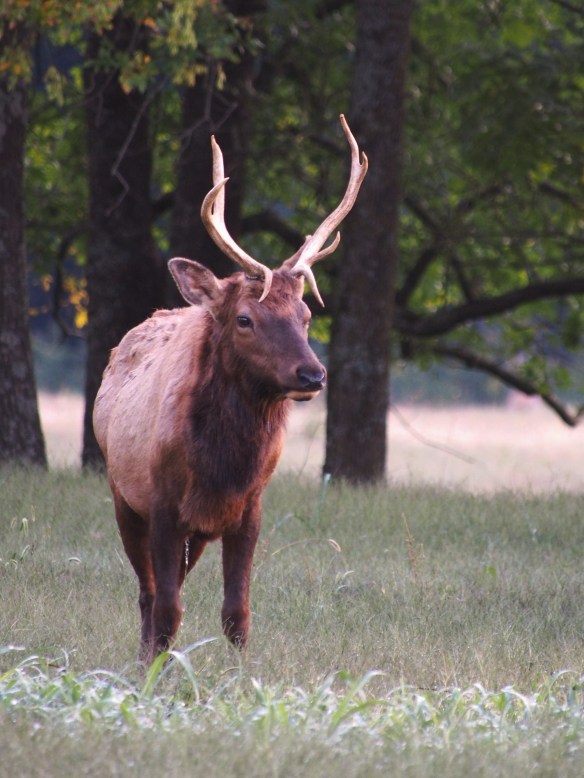
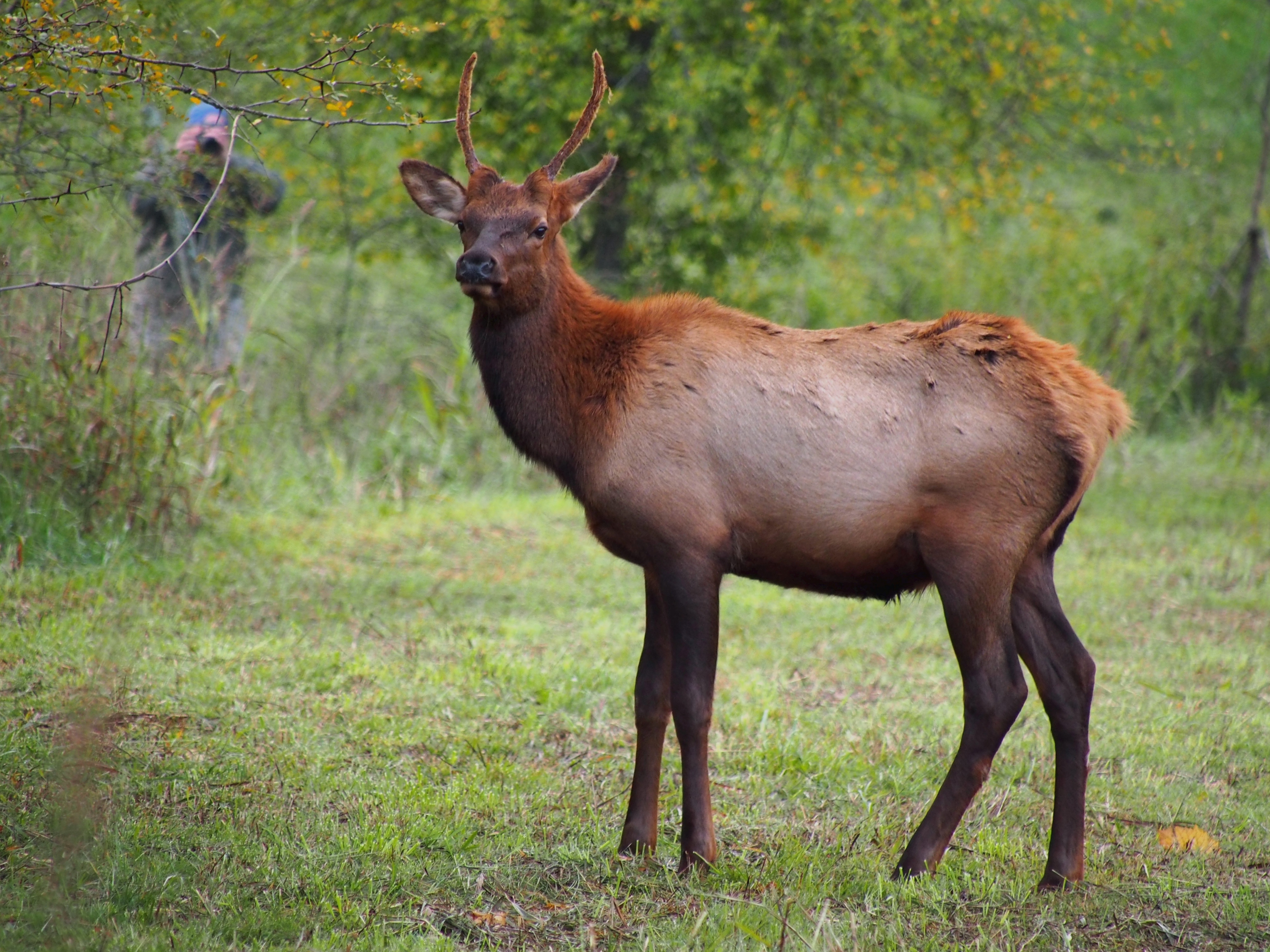
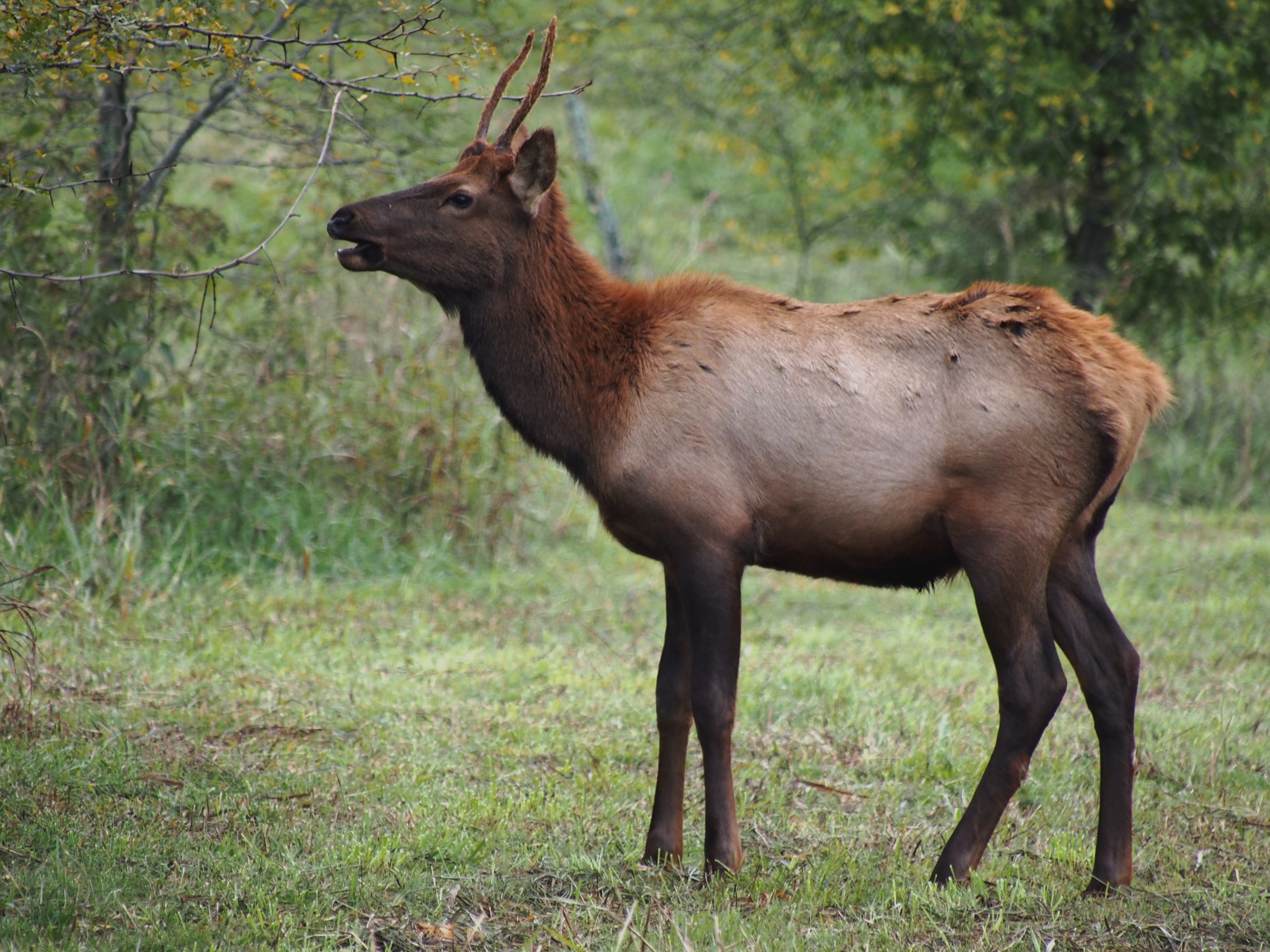
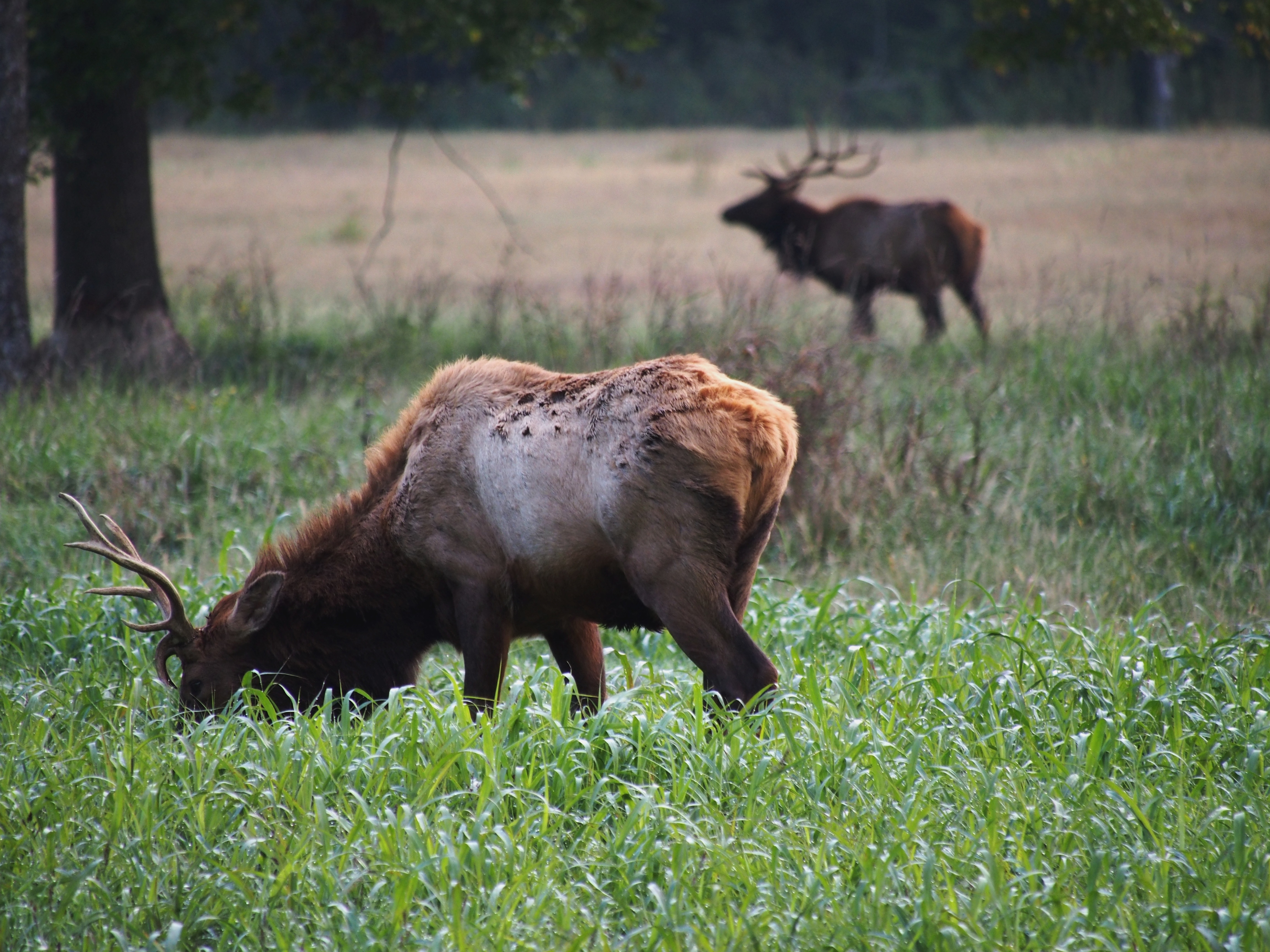
This is George – at least that’s what I call him. I have seen him in this same spot before. His antlers are a bit crooked, but they look better than they did last year. Bulls shed their antlers every winter so this years growth looks a bit more symmetrical that they were when I saw him last. He also is a bit knock kneed on his rear legs. He seems to like it here in front of the creek. He grazes and poses for the early morning photogs and spotters who fill the valley. From the look of his antlers I would guess that he is 3-4 years old.


20120924-180306.jpg
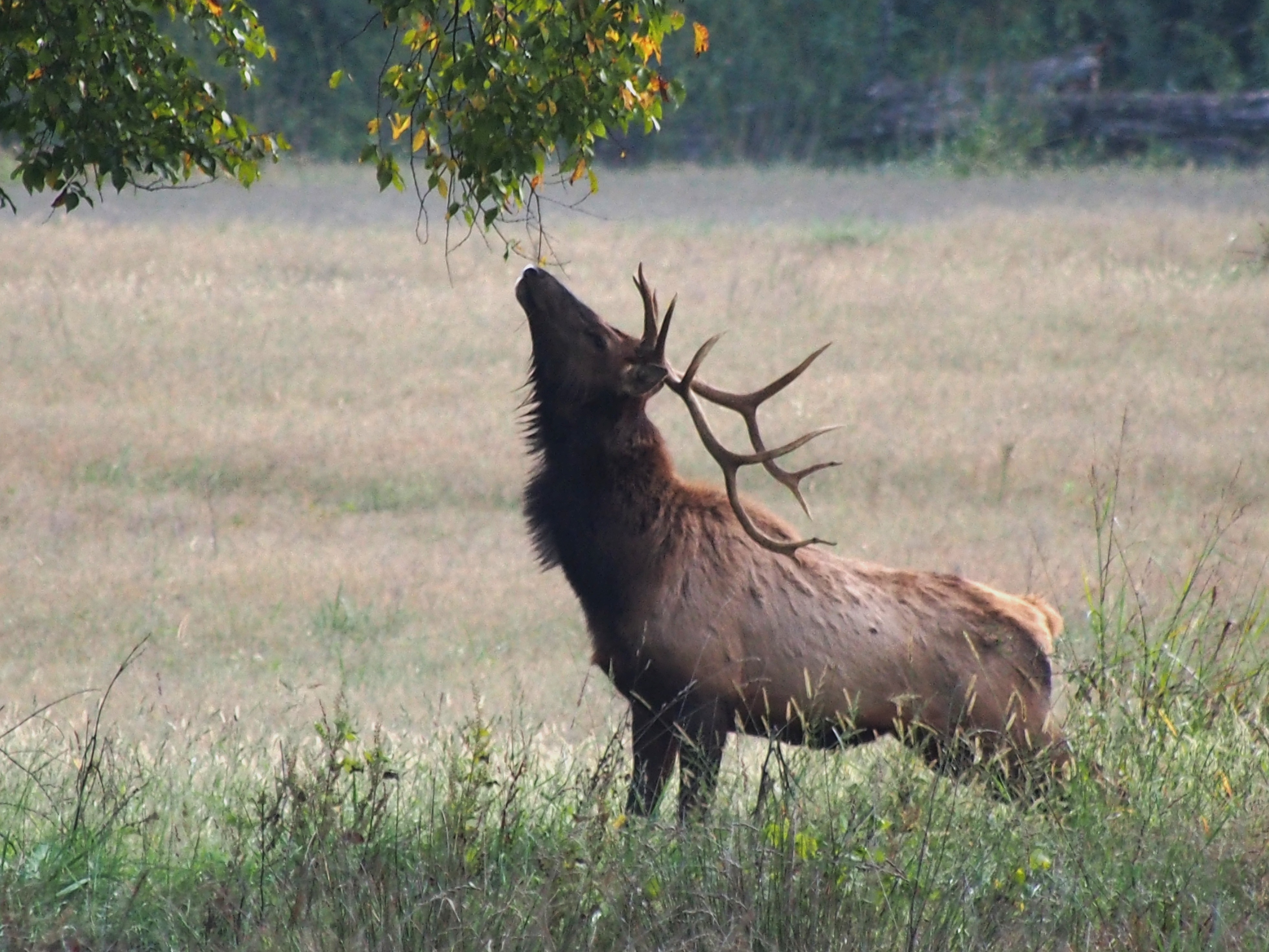
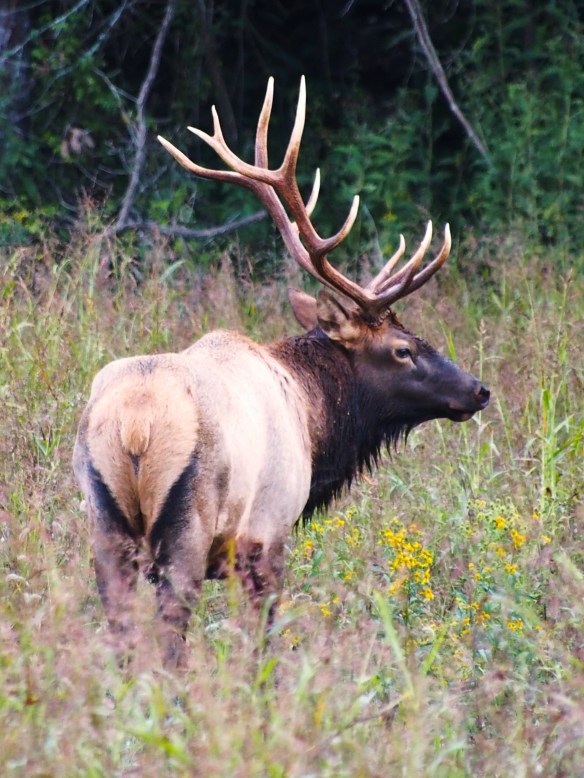
This is a great old fellow. He is simply enormous, but he seems to lack the bulk of a younger bull. Most bulls live about 6 years, the oldest known bull in Arkansas was 15. Their antlers start to decline in size around 10 or 12 years of age, so I’m guessing he’s somewhere north of 10.
 

20120924-180250.jpg
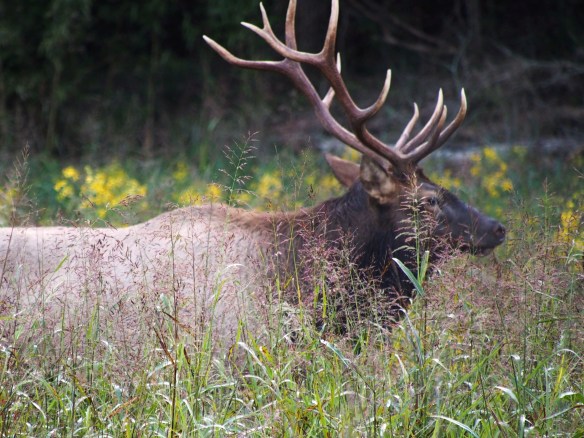
He’s over 5 feet tall at the shoulders so the depth of the grass in this meadow is pretty amazing, almost like it was designed to feed animals of this size.
 

20120924-180258.jpg
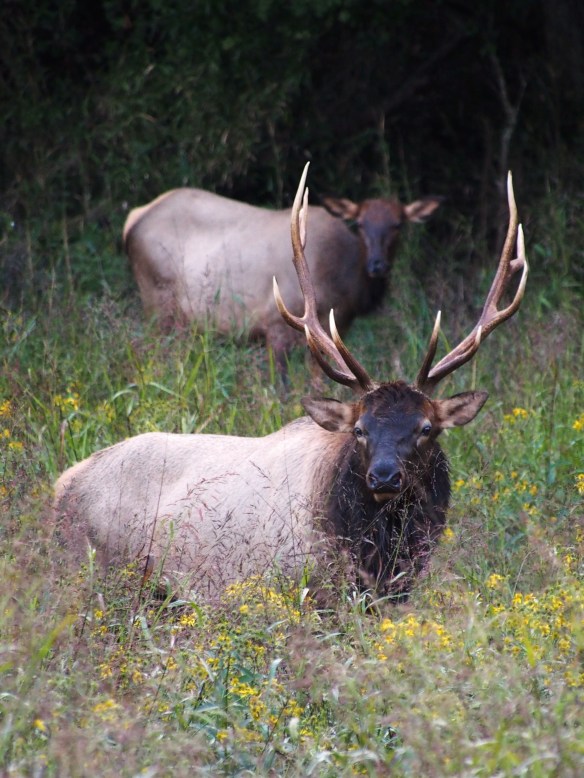
He had three females in his harem. The cow behind him had wandered off so he circled around her and guided her back to a safe spot near the treeline.


20120924-180324.jpg

20120924-180330.jpg
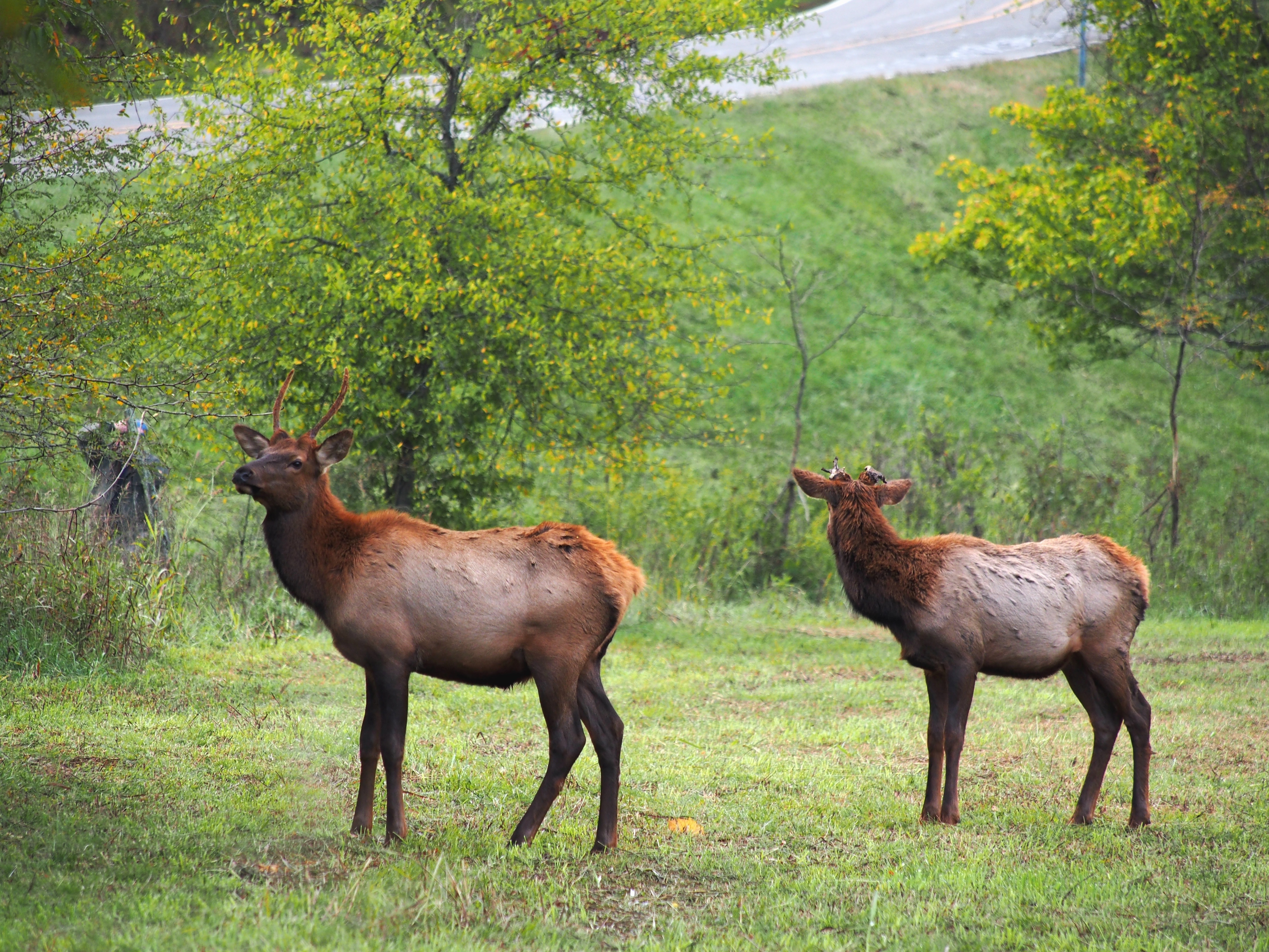
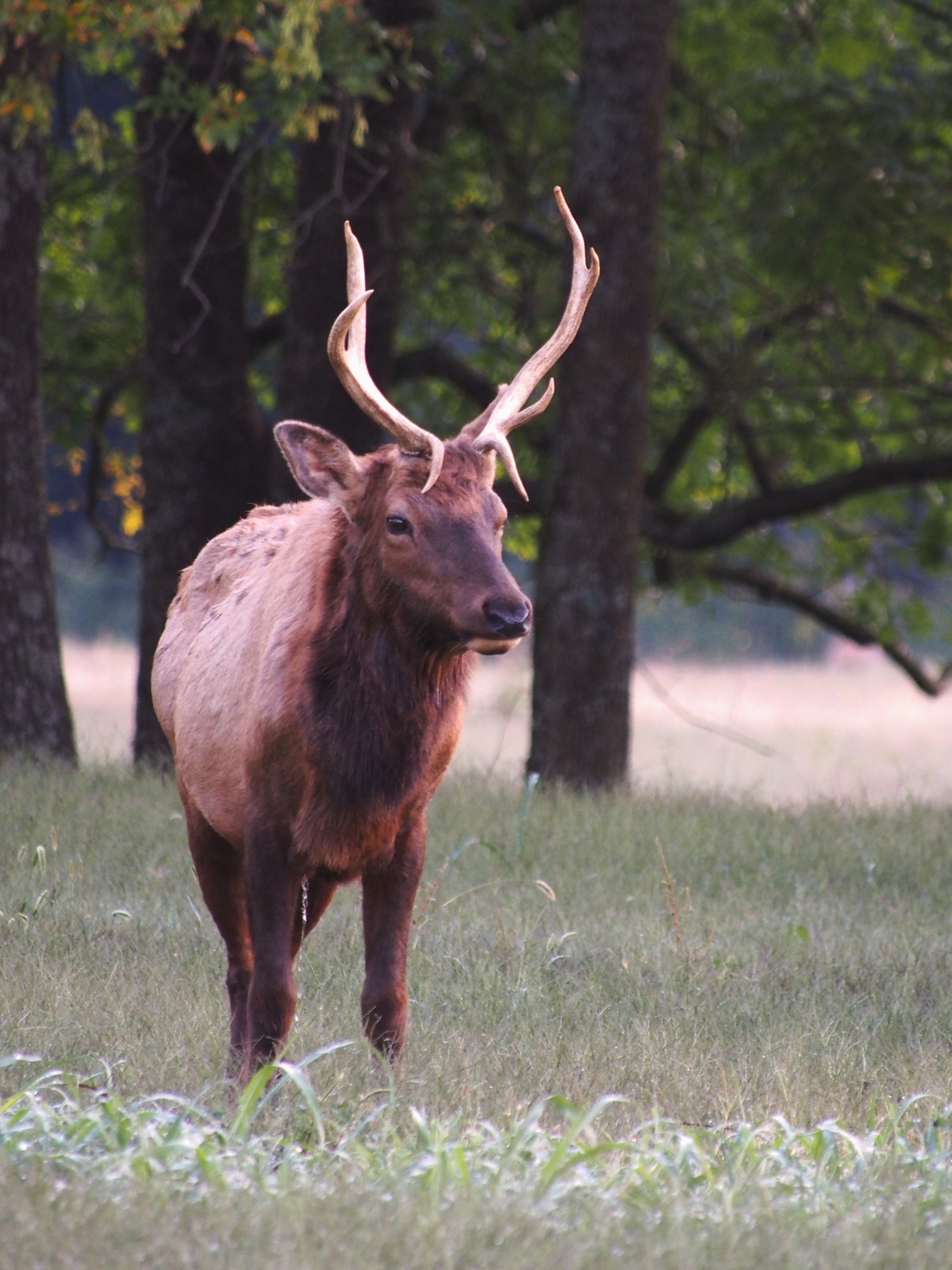
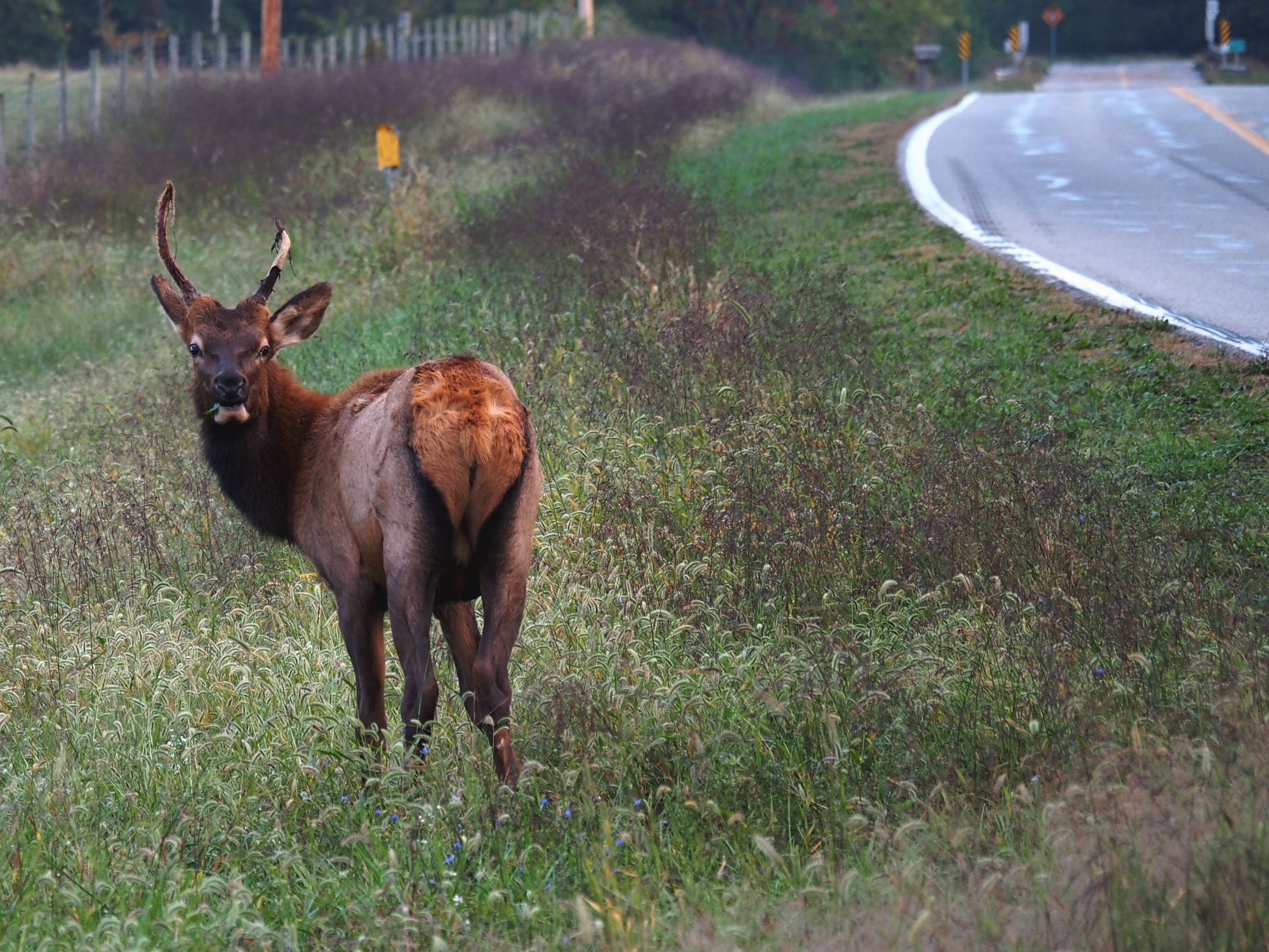
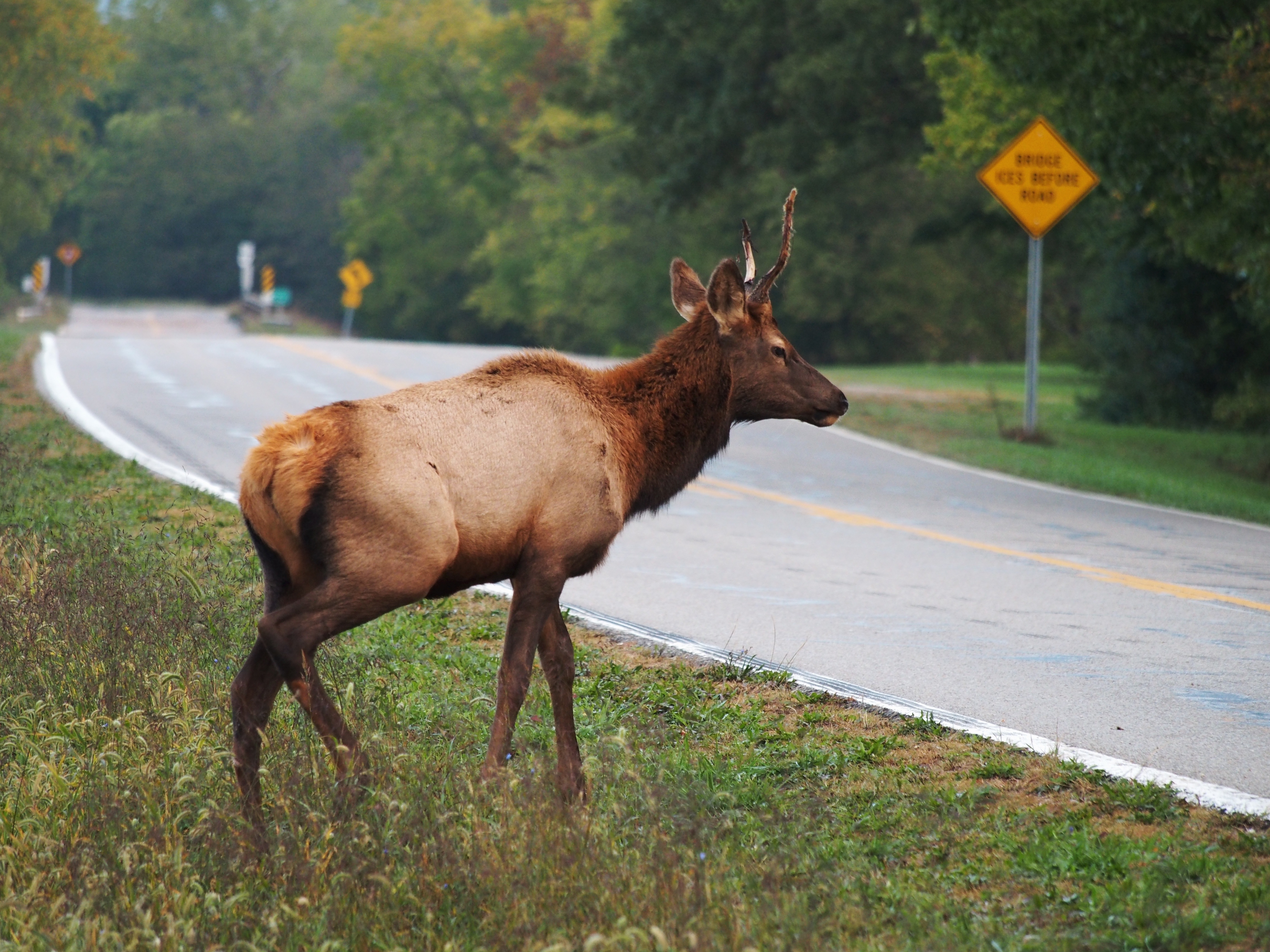
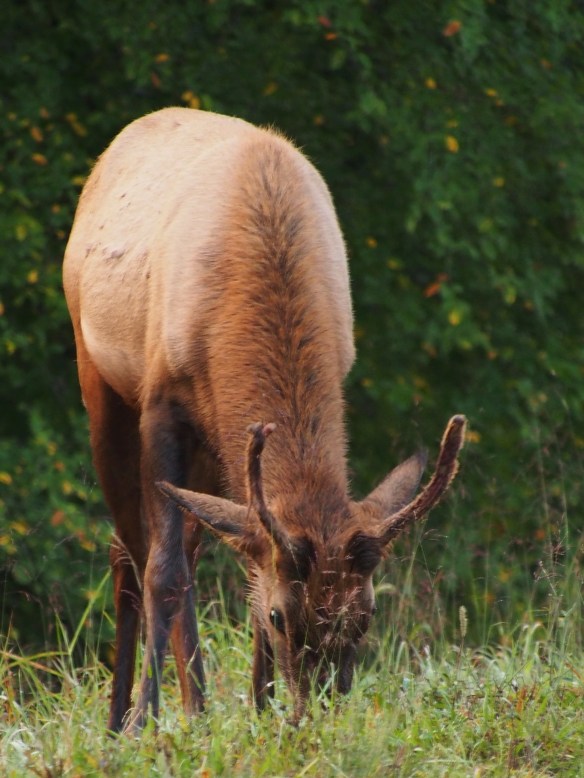
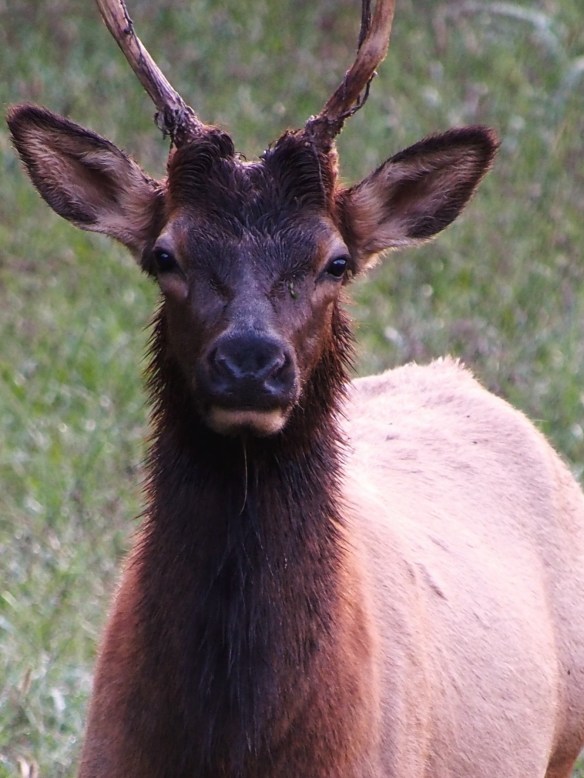
This is a pair of youngsters I spotted alongside the road. They have the antlers of a 2-year-old. Spindly without definite points. They were off alone away from the females – bachelors. Elk are very social and males like this tend to live in small groups away from the cows and calves.


20120924-180338.jpg
This isn’t a great shot – it was into the sun and a pretty far distance off, but I include it to show the size of a bull towards the end of his prime. I got the chance to hear him bugle for the ladies in the meadow about a quarter-mile away.


It’s good to see bulls of all ages in the herd. Some of the cows have tracking collars and great care is taken to prevent poaching. The herds placement was established with the assistance of the locals, so they are not seen as pests, but rather as a part of the environment.

It looks like the Natural State got it right this time, third time’s a charm.